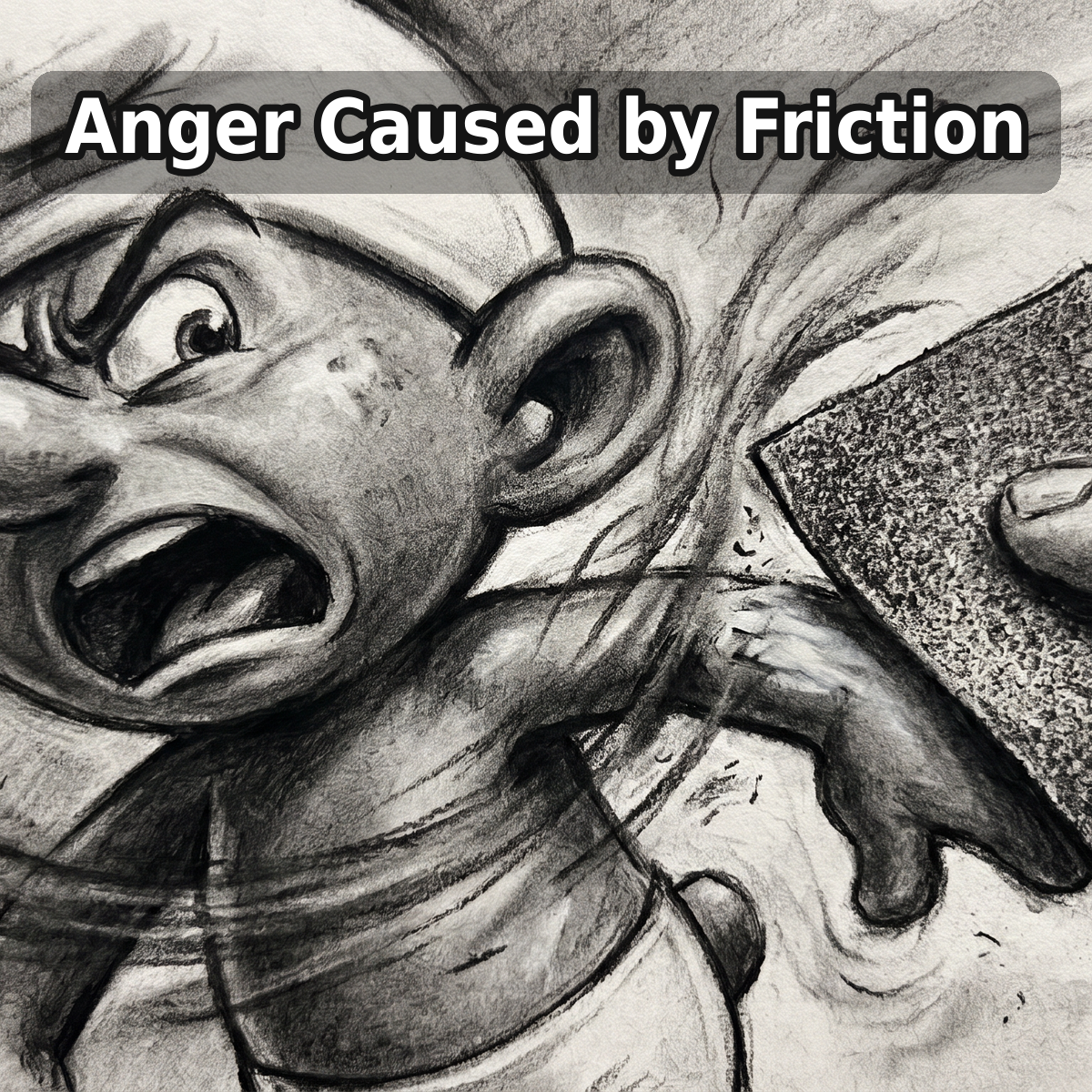
Are you a blamer? Think about this for a minute. When something goes wrong what is your first reaction? Many of use seek to blame someone or something around us for the failure. It is a natural reaction, we all do that at some level. I imagine some more than others. Why do we blame others for problems in our own lives?
I am not sure that I have the answer. It might have to do with dodging, avoiding guilt. Or perhaps finding it easier to attack another then taking full responsibility for our own actions. I am not really sure. I read up on this topic a little, and there seems to be a preponderance of theories out there. One thing they all agree on – it is a transference of guilt or the displacement of responsibility.
There is an inconvenient idea, however uncomfortable. The concept is that the results that you are getting right now are exactly in harmony with what you have done to this point. Meaning, you are exactly the result of your own actions. Sure we can take a myopic view of one event in a string of a long timeline and pinpoint a circumstance that was out of your control. The reality is that there is only one person in control of the entire timeline and that is you.
So a person here and a person there could have wronged you, double crossed you, stabbed you in the back or failed you in some way. Despite this, you just cannot escape the simple fact that your life is perfectly designed to get the results that you are getting right now. So if you do not like the result then you are just going to have to swallow the bitter pill of self realization and accept that the only possible way to get different results is to change your own behavior.
That is quite literally the only thing that you have control over. Your own behavior. Everything else is subject to whim, fancy, accident, or unfair influence. All you have in this world and any world that might come ever after is your own force of will and whatever aid you might enlist from powers great and small. A family that lives and works on a farm knows this truth, and it is inescapable. Your own actions, each and every day have a greater influence on the crop yield than any one unexpected event out of your control. Perhaps the shift from agrarian to industrial society is the root cause of the blamer mentality that seems so prevalent and even addictive.
Perhaps the fact that we live in times of plenty, wealthy and bounty are the cause of us being placated into a false sense of external influence having a greater weight than it really does. Whatever the reason all you really have is you, the relationships that you have built, and a divine influence if you accept such a thing. That is what you bring into the fight and that is what you will leave with.
So why blame others at all? What did they really have to do with your outcome anyway? They were just bystanders along the way, playing some bit part in your passion play. If you are really serious about achieving your own set of dreams, aspirations, accomplishments then take serious stock in the fact that when times get tough, things are not so easy and you experience failure it is just “n…n…n…noooobody’s fault but mine.”
Guy Reams