Day 220 – How do you become more creative?

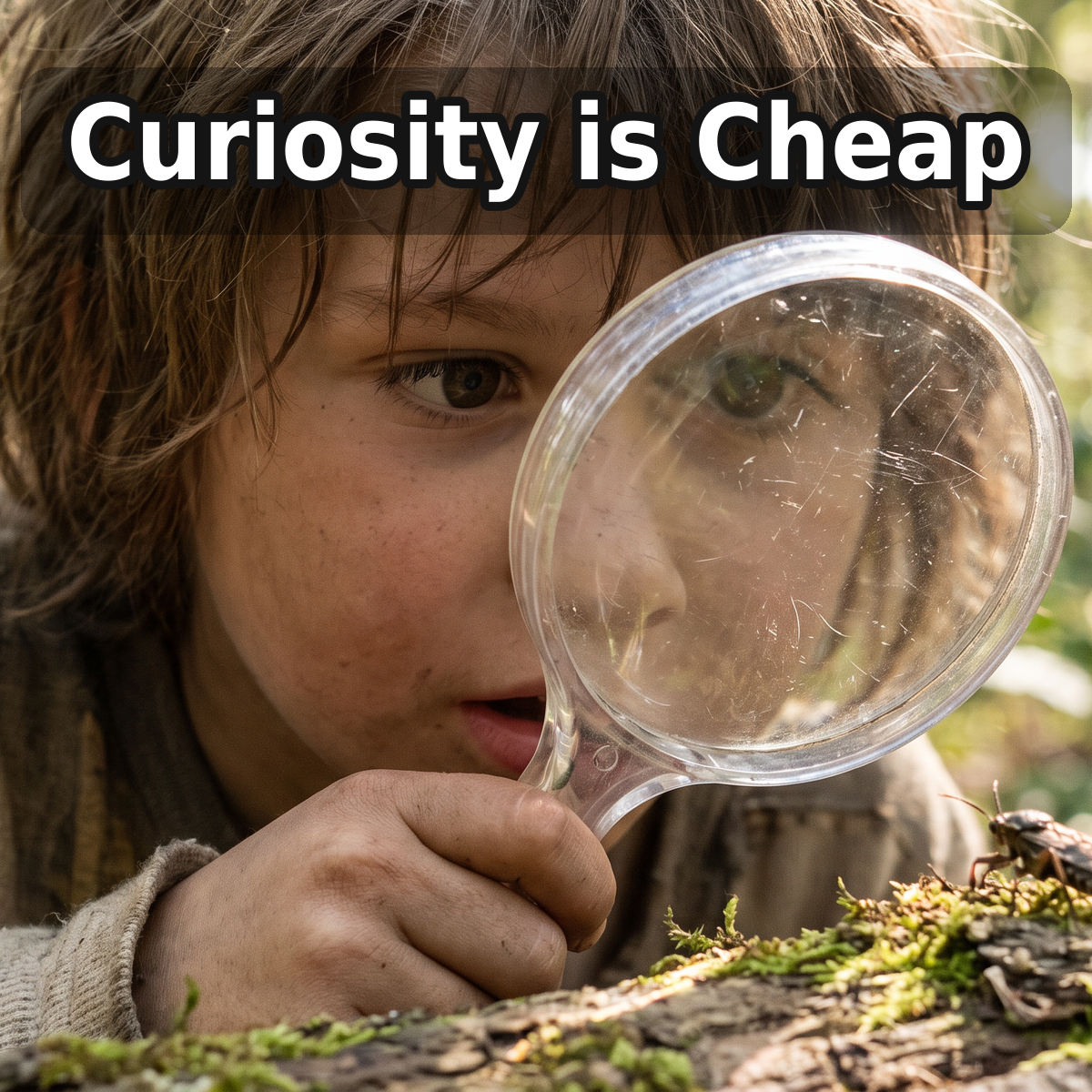
My whole life I have thought that my best and most creative moments where when I abandoned discipline, embraced chaos and threw all caution to the wind. True, I had some creative times but they were fleeting and temporary. I have now discovered a very interested equation for sustaining creativity over a longer period of time. Creativity that actually means something. Ready for the equation? Here it is:

True creativity is effectively the accident that occurs after a dedicated and disciplined focus toward an objective. Discipline and dedication come via the way of consistent habits. So therefore, habits = focus = creativity.

As in most simple truths, this equation flies in the face of conventional wisdom. You would think creativity was the spawn of independence from habit and focus – however it is the opposite. Real creativity is dependent on habit and focus. I am imagining the dedicated artist that is focused not only on their craft but creating a vision. They discover a new technique along the way, but how did they come across this. Yes, it may have been by accident or a sudden inspiration. However, it came while they were engaged in a very focused and habitual pattern of pursuing their craft for an extended period of time.

I am suddenly discovering the freedom that comes from dedication and pursuit of habit. True I have less time to spend day dreaming, and doing nothing – but I finding it easier to be focused, quicker to engage on ideas and the time that I do have to seek inspiration is well spent. I am less likely to chase a crazy concept that leads to nowhere. I now discover creative ideas that are in line with my objectives rather then distractions and tangents that take me off track.

Yes, I hate to reveal this to myself and others – but habit forming is the key to creativity.

Guy Reams (220)
365 Member

Subscribe
Notify of
guest
0 Comments
Inline Feedbacks
View all comments
Share the Post:

Recent Blogs

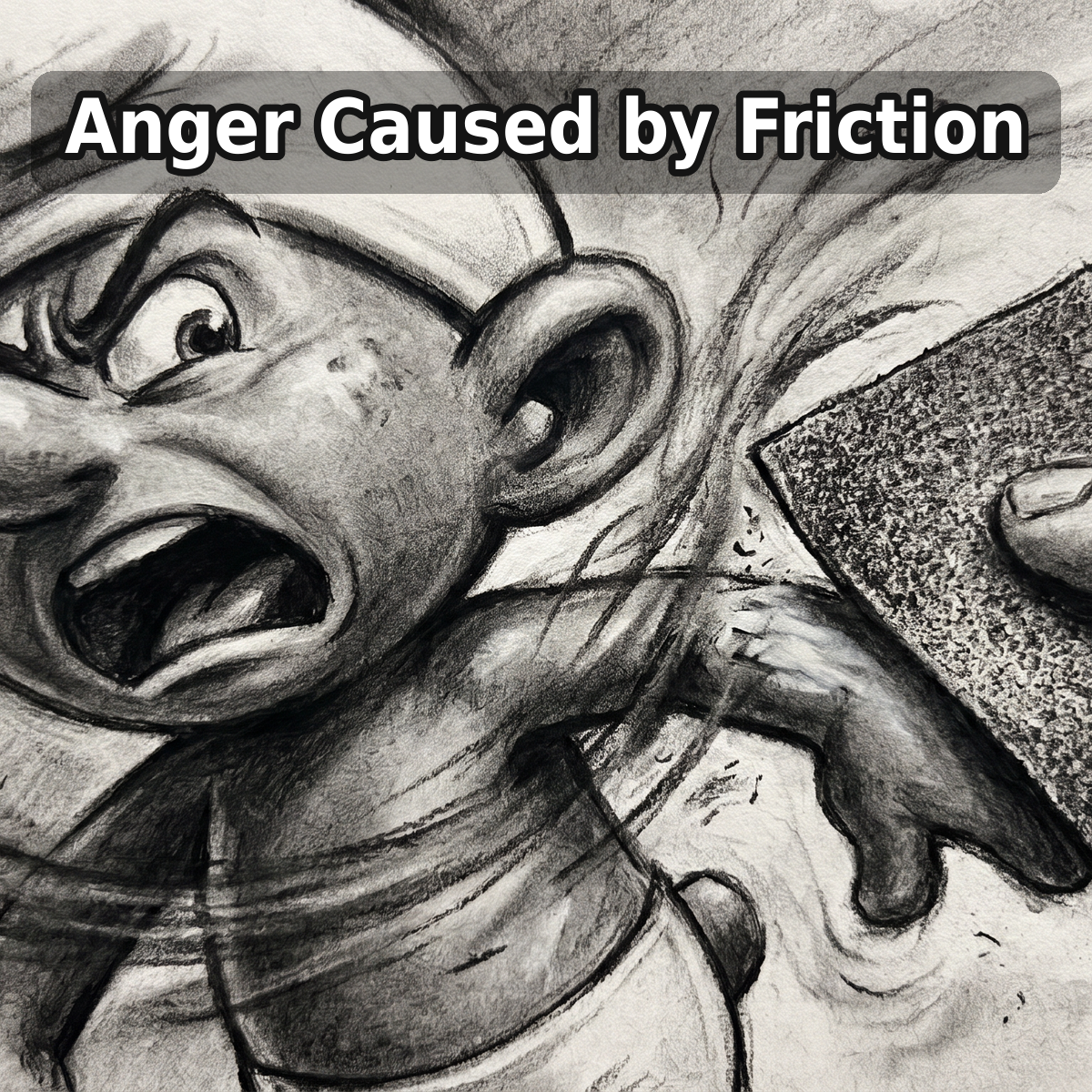
Day 356 – Anger Caused by Friction

The author explores the emotion of aggravation, defining it as a low form of anger caused by friction. They propose an escalation pattern for anger, starting from friction and leading to full-blown anger. The core idea is that aggravation arises when one repeatedly spends attention on something they believe doesn’t deserve it.

Read More

Day 355 – The Canary Principle

The canary principle, originating from coal mining, involves testing changes on a small scale before full implementation. This concept applies to software development and personal life, encouraging small, reversible experiments to reduce the cost of learning when uncertainty is unavoidable.

Read More

Day 354 – Evidence of Work is Not Evidence of Learning

This article argues that AI has exposed a fundamental flaw in modern education: the substitution of “evidence of work” for “evidence of learning.” It highlights how schools have increasingly focused on quantifiable outputs like completed worksheets and assignments, which AI can now easily generate without genuine understanding. The author contends that AI’s proliferation forces education to return to its core purpose—actual teaching and fostering cognitive development—rather than merely verifying compliance.

Read More

Day 353 – les Lumières

Immanuel Kant’s 1784 essay, “What is enlightenment?” marked the end of an era, much like we might be at the cusp of a new one today. The Enlightenment, characterized by reason and a departure from superstition, was known as *les Lumières* by the French and *Aufklärung* by the Germans. We are now entering an “Age of Knowledge” where access to information is ubiquitous, shifting the focus from acquiring knowledge to exercising judgment.

Read More
0
Would love your thoughts, please comment.x
()
x