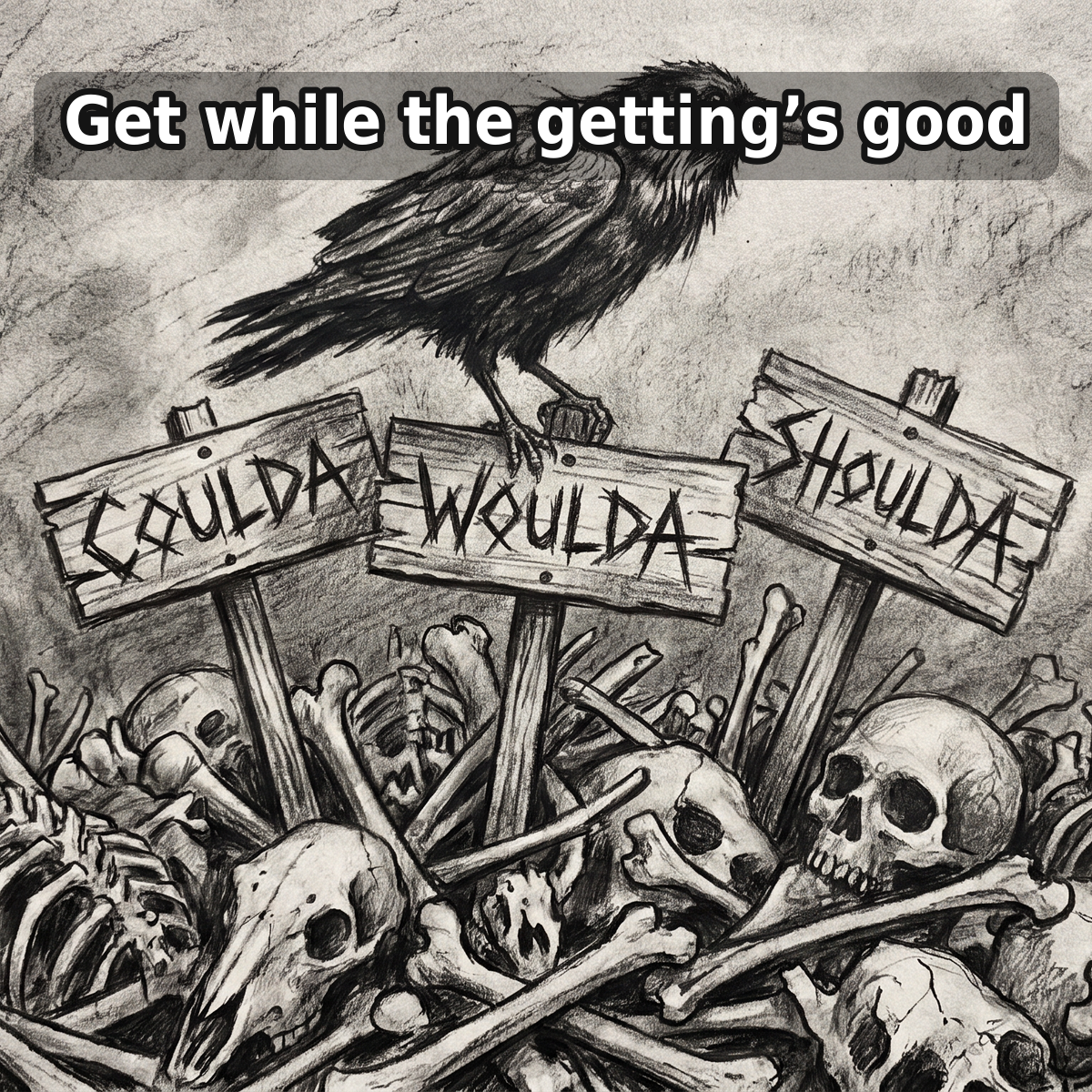
Most people who wind seeing a therapist these days are not mentally ill. They do not in fact even have psychological issues. Instead they are driven to see a therapist because the complexity of life and the forces they contend with become too great. They need to talk about it, they need someone to help them sort out the tangle of problems that have simply become too great to manage.
Coping with the complexity of modern life can simply drive you nuts. People usually hold it together pretty well, until a serious illness strikes, violent crime impacts you them directly, a close family member dies or betrays, income is lost but the bills keep coming, or some other serious difficulty befalls. Becoming depressed or stressed out under such circumstances indicates that you are normal not crazy.
For most if not all people, the time will come when that sense of being overwhelmed is knocking down your door. What can we do to prepare? The 365 Commitment is a good framework for making progress in your preparation. Focusing on what is most important is a good start. This is a good habit. Part of the solution may be to simplify, simplify. Reduce the number of decisions. Here is where good habits come in again. A habit requires little in terms of decision making. You don’t think about it you just do it. It becomes automatic. Good habits simply life and create space to think and cope. What else can we do?
Archetypal stories teach the lesson. In the “Three Little Pigs” story, the big bad wolf blows down the houses of straw a sticks, but not the house of bricks. Ancient Biblical stories tell how Noah builds an ark that can withstand the flood. Build your boat so it won’t sink when the storm comes. The injunction to build your house on rock, not sand, echoes the flood story. A stitch in time saves nine (fix stuff before it falls apart). Face what you are afraid of. And, spend less than you make. Are well-worn clichés for good reason. All good and wise habits worth incorporating.
The 12-step programs point to an ancient and proven spiritual answer of giving all the complexity up to God. Most people don’t arrive at this one until they are at the end of their rope. However, realizing you simply can’t manage it all makes space for a tried and true metaphysical solution; inviting a higher power into your life can fortifies you in ways that allow you to bend when the gales of life blow instead of breaking. Tapping into this metaphysical solution is at the root of the suggestion to pray or meditate on your daily list in the morning, and again before sleep.
So, you may need to see a shrink someday, not because you are crazy, but because life is simply kicking your butt. Or, perhaps, if you embrace the challenge of the 365 Commitment, and focus on incrementally simplifying and building good habits across multiple dimensions, physical, mental, financial, spiritual, social, and so on. You may accomplish an end run around the looming complexity of life.
Ben Wagner (71)
Member the 365 Commitment