109 – Elasticity of Human Performance

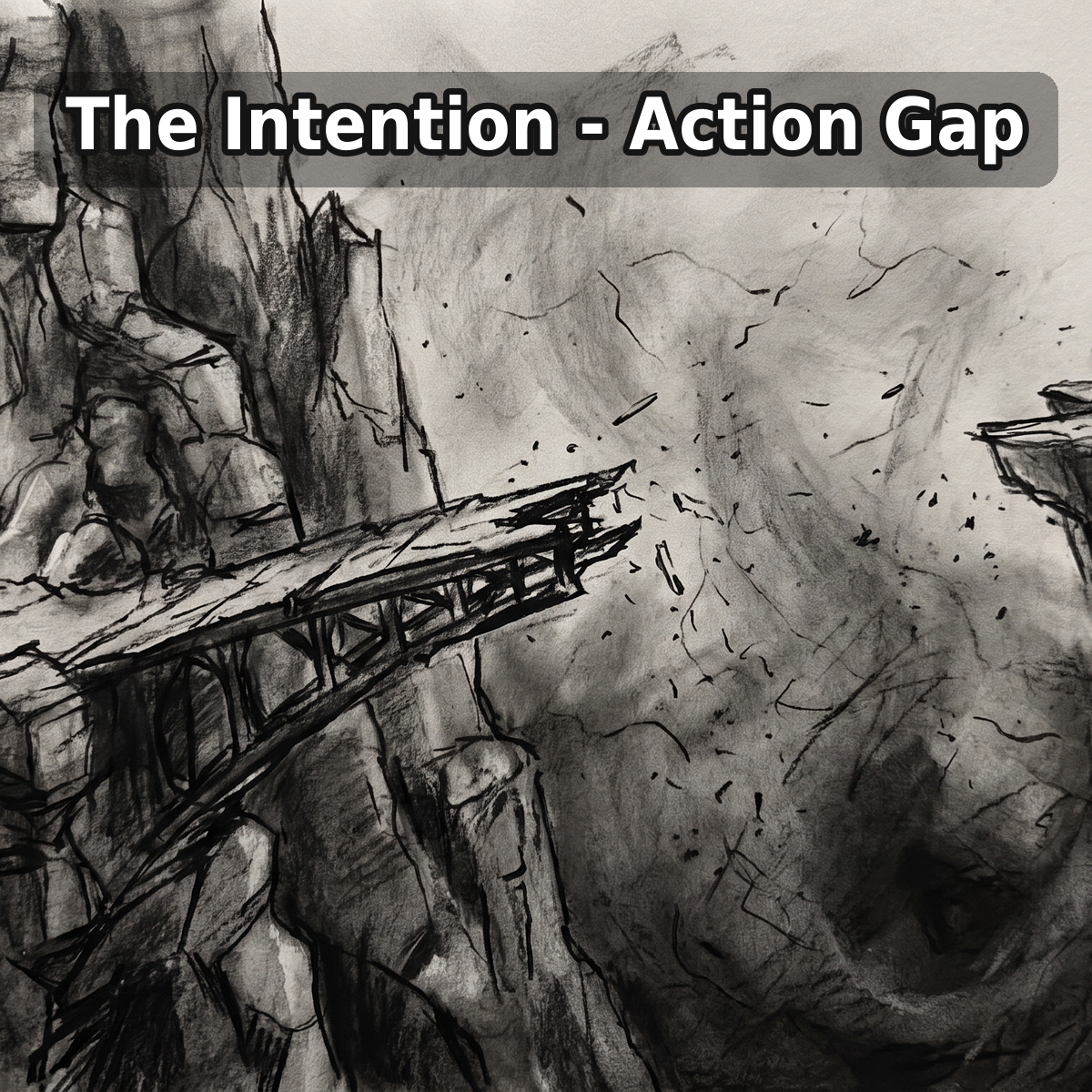
We have no shortage of knowledge available to us.  Experts are at our fingertips on YouTube, we can look anything up instantly and compare multiple sources.  Lack of knowledge is not the issue.  Applying knowledge in our lives is the hard part.

This is where the 365 Commitment comes in.  The tenets of the 365 Commitment get you into gear, put the rubber to the road, engage warp-drive, actually make things happen.   As humans we have incredible potential, AND we have very real and firm limitations.  There is only so much time in a day, we have built in human tendencies to contend with.

It is so strange how weak and vulnerable we are and how strong and resilient we can become.  I am always stunned at the elasticity of performance.  How is it that running 1/4 mile can be a struggle that would leave most people gasping and collapsing in a heap, yet some athletes can run for 200 miles!?  Literally a differential of 3200 times.  Amazing as this is, it is no mystery.  We know that it is simply a matter of incremental development.  That person who can run 200 miles was once someone who gasped at a 1/4 mile.  They simply began a process of working within the limitations of our reality to develop themselves over time.  It takes a combination of time, discipline, vision, spirit, and passion.

First a vision is required.  Once you know where you want to go then it is a matter of moving towards it incrementally, developing habits that act as an auto-pilot toward goals is crucial.  Couching the whole process in spiritual meaning is required, much the same as twelve step programs promote reliance on a higher power, the 365 commitment requires daily prayer and/or meditation seeking to connect to the highest good, and sharpening our focus on what is most important and meaningful.

The 365 Commitment is a pragmatic process that works within our human limitations and the  constructs of reality we all contend with.  Try our process for 365 days in a row and see what happens.  What will you feel like in 365 days?  How will you have changed yourself and your experience in life in 365 days of iterative effort?  These are great questions.  Find the answer, join the 365 Commitment.


Ben Wagner (116)

Member The 365 Commitment



Subscribe
Notify of
guest
0 Comments
Inline Feedbacks
View all comments
Share the Post:

Recent Blogs

Day 310 – I Actually Love Opera

The author explores the reasons why people might hesitate to reveal certain aspects of themselves, using their love for opera as an example. They differentiate between privacy and concealment, arguing that while privacy is a healthy boundary, concealment stems from a fear of judgment and can be a burden. The piece concludes by advocating for the freedom found in being less concerned with labels and more comfortable with revealing one’s true complexity.

Read More

Day 309 – The Price Tag of Automation

The author recounts his frustrating experience with home automation after Google abandoned its Nest architecture, leading him to build his own system. He highlights the significant time and effort required for maintenance and the eventual abandonment of his automation efforts due to the high ‘economic life’ cost. However, with the advent of AI, the cost and effort of automation have decreased, making it more feasible and renewing his interest in deploying future automations.

Read More

Day 308 – Speed is The Champion

This article explores the concept that speed often leads to success in various fields, from business to technology and sports. It argues that systems capable of rapid action, feedback, and adjustment tend to outperform those focused on avoiding errors. The author highlights the importance of fast feedback loops, citing John Boyd’s OODA loop and its application in AI systems. The piece also discusses the speed-accuracy tradeoff, noting that while speed can lead to more mistakes, these are often recoverable, and the compounding effect of rapid learning ultimately drives better results.

Read More

Day 307 – Iterative Could be Insufficient

This article explores the contrast between iterative and linear thinking, highlighting their respective strengths and weaknesses. It argues that while iterative thinking is beneficial in many fields, it can sometimes be an excuse for insufficient upfront planning, and proposes a hybrid approach for more robust decision-making.

Read More
0
Would love your thoughts, please comment.x
()
x