I love reading psychology research. I probably should have been a psychologist. Hmm. Wait a minute, maybe there is still time. I have a qualifying master’s degree, maybe 7 years doctorate school with a 2 year clinical training experience and then by the time I am ready to retire from my current job I will be good to go! Nah, never mind. My wife reads this blog and she will probably freak out that I even just said that. So for now, I will just read blogs on Psychology today and geek out on pseudo science.
One of the psychologists that I read this morning, was a person named Guy Winch. Anyone with the name Guy has to be cool, right? So he wrote an article summarizing research on rejection. This is fascinating material, for sure. For the last 42 days, I have reached out to someone that I thought could have an impact on my life everyday. I have been rejected or ignored 32 times. 10 times have produced at least a good conversation over the phone. Ignoring me is hurtful, for sure. However the polite, love your ideas dude – but we do not have time for people like you. That hurts! Ouch!
Why does rejection hurt so bad? I finally got the ability to move my boat to a new marina yesterday (yeah, I know – 1st world problem). I was excited, until the Dock Master told me that he inspected my boat and he would not allow it into his dock. He sent me pictures of some cosmetic things that would have to be fixed. I was really hurt! He called my baby ugly! I ended up in a tailspin of misery and pain because of this conversation. Really? What the heck is going on with my emotions?
Well, Guy Winch indicates that rejection actually hits the exact same part of the brain that physical pain does. They know this because in clinical trials, using simply pain medication such as Tylenol, they see the reduction of activity in this area of the brain. The same thing occurs with physical pain, or pain caused from rejection. So this is why rejection hurts so bad and why we will do everything we can to avoid it. Unless of course you are like me, and you force yourself into a new habit of reaching out to famous people everyday in a vain attempt to have a conversation with them.
Scarlett Johansson why have you not returned my linked in messages? Geez. My ideas on how to resurrect Black Widow are at least worth a reply!
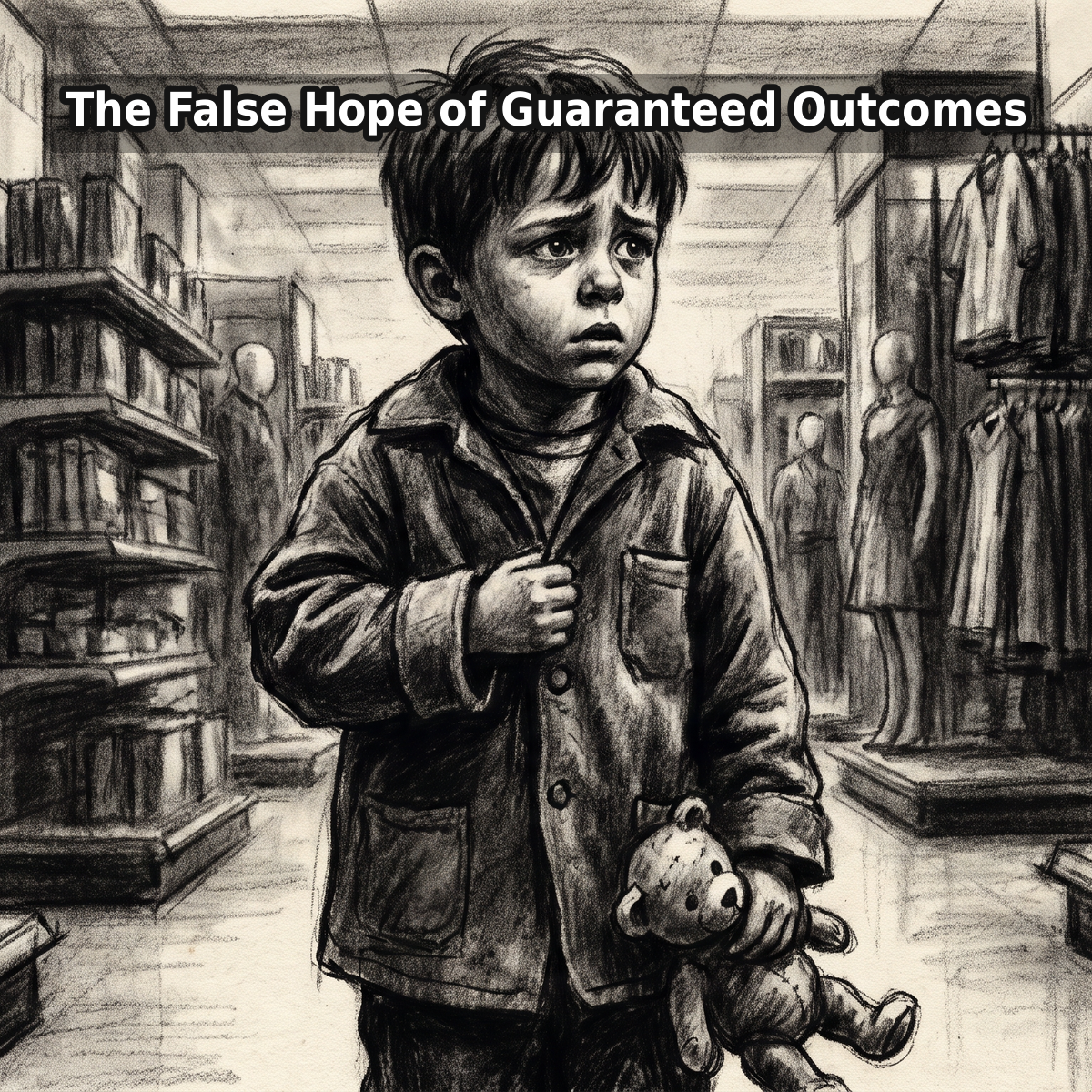
Anyway, the pain of rejection is real. It most likely has roots back to very early times in our societies. When people did something wrong, ostracizing them from the community was the worst source of punishment, because it usually meant death. All major animals that group into social structure exhibit this same behaviour. Having said that, the damage that is actually caused to us is almost always 100% self inflicted.
I think the answer is to absolutely come to the realization that self criticism, beating yourself up, looking down on yourself because of the rejection is bad behavior. According to Winch, the only healthy reaction is a ZERO TOLERANCE reaction. No self doubt allowed! Stop! We assume the rejection means something. Our reaction is to deeply self assess going through all our problems, all our weaknesses. STOP IT. STOP IT. STOP IT. This is not only worthless time spent, it is often times completely incorrect. The reason for the rejection probably, and almost always, has very little to do with you personally. Read More Here.
Getting better at handling rejection takes practice and patience with yourself. It does get better over time. As you are more brave and take more risks, you can learn to move on quickly by quickly figuring out what is in your head versus what is real. You built connections with others that can help you sort through those feelings quickly, and come to the correct realization faster and constructively move onto the next chance to fail and be rejected.
In short, you need to learn to reject the feelings of rejection.
Guy Reams