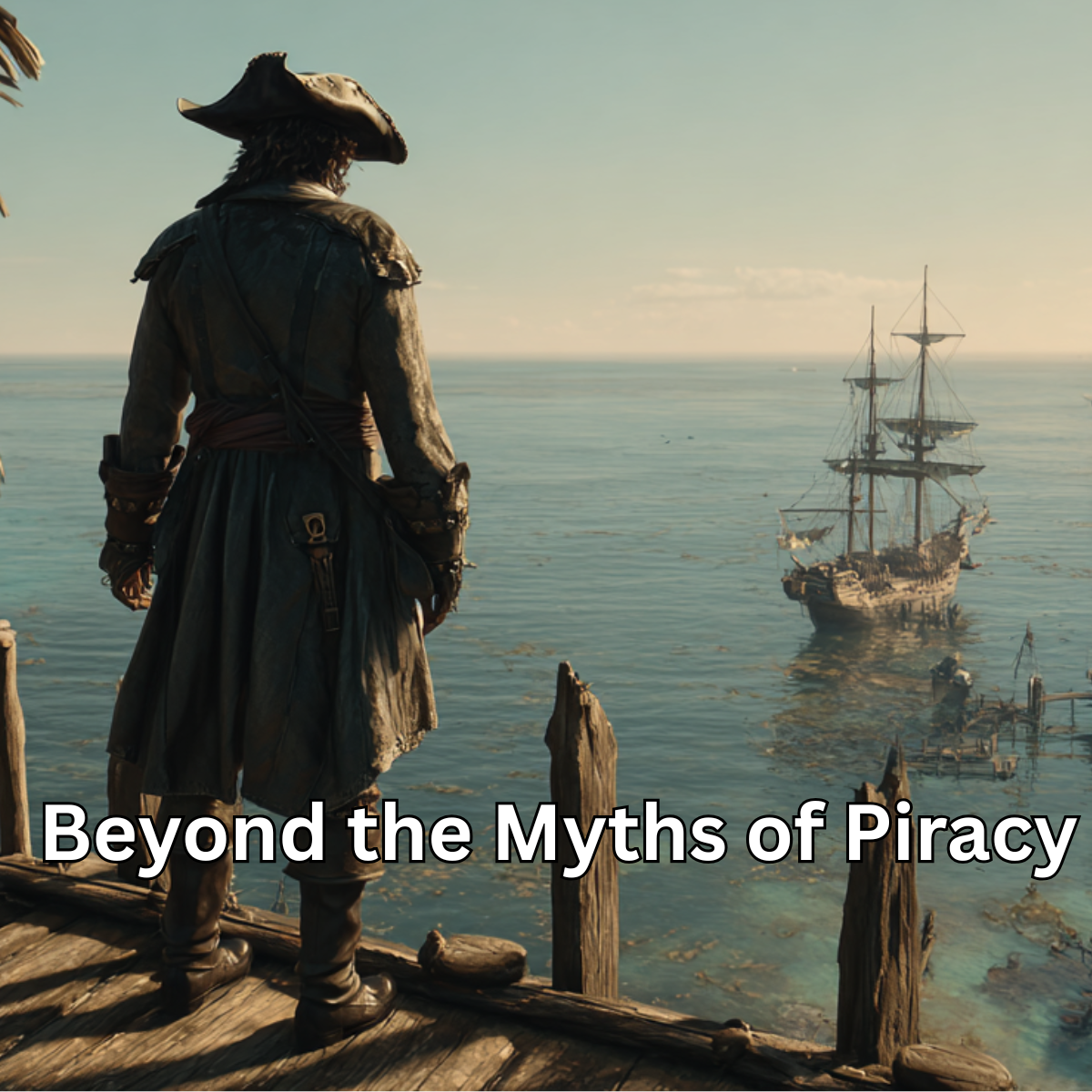
I am about ready to head out on an adventure. Once a year, I take a wilderness expedition with some family and friends. I am a fan of backpacking in permit-free wilderness areas, often off-trail, often in the open wilderness with no other ambition than to get lost for a while. I find the ability to disconnect from the world a powerful tool to reground myself and help me remember what is important. Since I will not be able to easily post articles, record videos, and the like, I have decided to create a series on the lessons that I have learned by studying pirate crews.
I’ve always been drawn to tales of pirates. Perhaps it began in my early childhood, spending days at Disneyland with my grandmother, completely enthralled by the Pirates of the Caribbean ride. Or maybe it’s rooted in my admiration for the renegade spirit—the idea of disruption, of sailing against conventional currents. More than anything, I suspect it was the allure of adventure, risk-taking, and the tantalizing potential for reward. I eagerly consumed books about pirates when I was young, and that fascination has stayed with me throughout my life and career.
Let me be clear: I don’t condone dishonesty, thievery, or any form of criminal activity. But over time, I’ve come to believe pirates have often been misunderstood, unfairly relegated to simplistic stereotypes of violent thieves and chaotic outlaws. While there certainly were cutthroats and criminals among them, many pirate crews operated with surprising sophistication. Their ships functioned as well-structured, democratic communities bound by clear rules and shared ambitions. Some pirates even held official endorsements from powerful nations, operating under Letters of Marque that legitimized their activities against rival states.
These historical realities offer valuable insights, especially for modern agile teams striving to achieve speed, adaptability, and decisive action in complex environments. Pirates had no choice but to be nimble and responsive; the unpredictable seas and shifting alliances demanded rapid decision-making and a clear, shared vision. Roles aboard pirate ships were clearly defined, yet flexible enough to adapt swiftly to changing circumstances. Success often depended on swift, unified action—qualities highly relevant to teams operating in today’s fast-paced, volatile business landscape.
In this blog series, I’ll explore six key lessons from the Golden Age of Piracy, illustrating how these historical practices can be harnessed to enhance team agility, effectiveness, and innovation today:
- Clear Intent and Shared Vision – How pirates aligned their crews around unmistakable goals and missions.
- Rapid Decision-Making and Decisive Leadership – The pirate necessity of swift, decisive action and empowered leadership.
- Crew Autonomy and Empowerment – Democratic structures and the power of individual accountability aboard pirate vessels.
- Flexible Structure and Adaptability – How pirates continually adjusted strategies to meet evolving challenges.
- Reward Boldness and Action – Pirate incentive structures designed to encourage innovation and calculated risk-taking.
- Parley and Diplomacy – The surprisingly sophisticated negotiation skills pirates employed in dealing with rivals and authorities.
Together, these lessons from history’s misunderstood adventurers can inspire us to rethink how we approach teamwork, strategy, and execution in our own high-stakes voyages, whatever they might be.