One of the legendary Aesop fables goes as follows:
A Lion lay asleep in the forest, his great head resting on his paws. A timid little Mouse came upon him unexpectedly, and in her fright and haste to get away, ran across the Lion’s nose. Roused from his nap, the Lion laid his huge paw angrily on the tiny creature to kill her.
“Spare me!” begged the poor Mouse. “Please let me go and some day I will surely repay you.”
The Lion was much amused to think that a Mouse could ever help him. But he was generous and finally let the Mouse go.
Some days later, while stalking his prey in the forest, the Lion was caught in the toils of a hunter’s net. Unable to free himself, he filled the forest with his angry roaring. The Mouse knew the voice and quickly found the Lion struggling in the net. Running to one of the great ropes that bound him, she gnawed it until it parted, and soon the Lion was free.
“You laughed when I said I would repay you,” said the Mouse. “Now you see that even a Mouse can help a Lion.”
Never mind the fact that a Lion never has and probably never will frequent a forest. Perhaps the story started with a Jaguar and gradually over thousands of years became a Lion. However, that is not the point. What is interesting about this fable is the lesson it seems to teach. This story must have been passed down for thousands of years, until it ended up memorialized in the recorded works of Aesop. What is interesting about that is the fact that the concept of doing a kindness to another, not for any immediate gain, but rather for the eventually return of good will has been around for a very long time. When the movie, “pay it forward” came out, there was a resurgence in this idea – but it is certainly not new.
The teaching that we should show kindness to others, is at the core foundation of a stable society. No doubt this has been taught since the days that men and women decided to organize into groups. If every individual is constantly seeking their own gain, and an immediate gain at that, then were does the society go? It is hard to conceive of a community, a culture of people working harmoniously together for a common purpose if they are all solely motivated by personal gain.
So that maybe one element of this fable to consider, another is the fact that it was the Lion that gave the first favor. The superior force, the character with all the power, was the one that showed the first sign of compassion. That is another lesson, in that culture change toward this level of support and aid of others occurs first with the key power brokers. The first act of humility that will cause the chain reaction of others demonstrating similar acts must come from the role players with the greatest influence. So if you want to learn from this lesson, and have an impact then then you need to consider showing kindness to those that are completely incapable of giving you any direct and immediate benefit.
In reverse, if you are the mouse in this story and a person with greater influence then you shows you kindness then how should you respond? Certainly not with pride, as the mouse certainly did not. The better response is a gracious acceptance of the good will, but more importantly the story implies a duty of loyalty. If the person with the power performs an act of kindness for which their is no expectation of payment, then you have a duty to look for, listen for consider opportunities to return the favor. The story implies that this is the really impactful and social changing act. Not the greater characters’ chivalry, but rather the willingness of the forgiven to find a way to return to the originator a gift with greater magnitude.
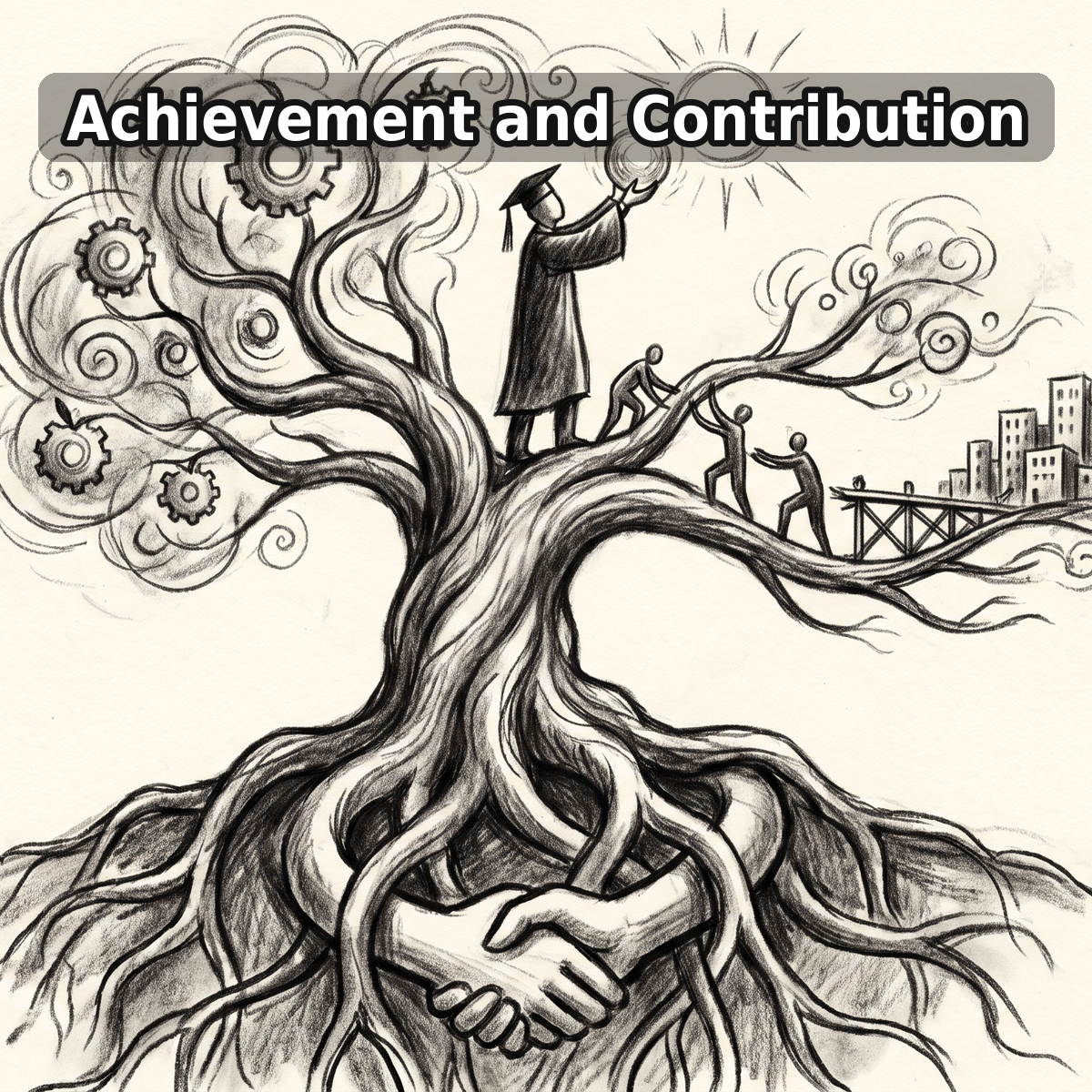
It seems that buried into this story are some key principles to live life by. Looking for ways to extend a helping hand to those less fortunate, or less capable then us is one concept. The other is the desire, the requirement, to return favors extended to us. By so doing we create society, which is in effect the reason this story was most likely memorialized in the first place. The stronger the society, the culture, the more likely the members will excel and do great things. Greatness, true greatness, is not obtained as a singular act, it is in harmony with others a symbiotic relationship of kindness and loyalty.
Guy Reams