Listening to Dr. Heidi Grant today at a leadership meeting. She made the point that I have innately learned through the 365 Commitment and it deserves repeating. We evolved to become a hunter/gathering machine. We are really good at two things. 1. Avoiding danger and 2. Creating habits. Both of those were absolutely required to be successful in our 10000 year ago past.
The problem is that today we are being asked to change and respond to change constantly. This is problematic because we are not good at actively processing that much uncertainty. We want to be in a fixed mindset and when that is not working it leads to anxiety and depression.
The fixed mindset leads to a very negative cycle of comparison to others. Here is the cycle. You doubt your ability, which leads to anxiety, which leads to a feeling of helplessness, and the tendency is to avoid it or run away.
The better mindset for responding to change is the growth mindset. You compare your ability to your past self and focus on constant improvement. When a growth mindset person fails at a task, they look for a way to improve to get better next time. Their cycle is persistence. Failure is actually fuel for further growth. When something gets hard for a growth mindset person, they get better. A fixed mindset person spirals downward. Additionally, a growth mindset person does better when there is more interruptions, and the task is more challenging.
What I gathered from this is that habits are very powerful, however alone they are not enough. You need to cultivate the correct mindset. A mindset that embraces challenges, interruptions, setbacks with a eye toward getting better and better.
With a growth mindset you are more persistent and resilient. You see opportunity with every challenge. You are more likely to push on and actually gain benefit from adversity. You will seek to take more risks in an effort to transform your life.
So how do you change from a fixed to a growth mindset? First you have to notice that you have the wrong mindset. What is the voice going on in your head? Are you constantly telling yourself I am not good at this, how do I get out of this? If you think like that, you need to shift towards, I am not good at this….yet. The mindset shifts from I suck to yeah, I suck but I am going to get better by doing….
I have talked about WOOP thinking in the past. Effectively a plan on how to overcome obstacles. If I am feeling negative, then I will do… that type of mental change can influence you to start thinking with a growth mindset. In essence, always focus on how to progress rather then just looking at how bad it is.
Guy Reams
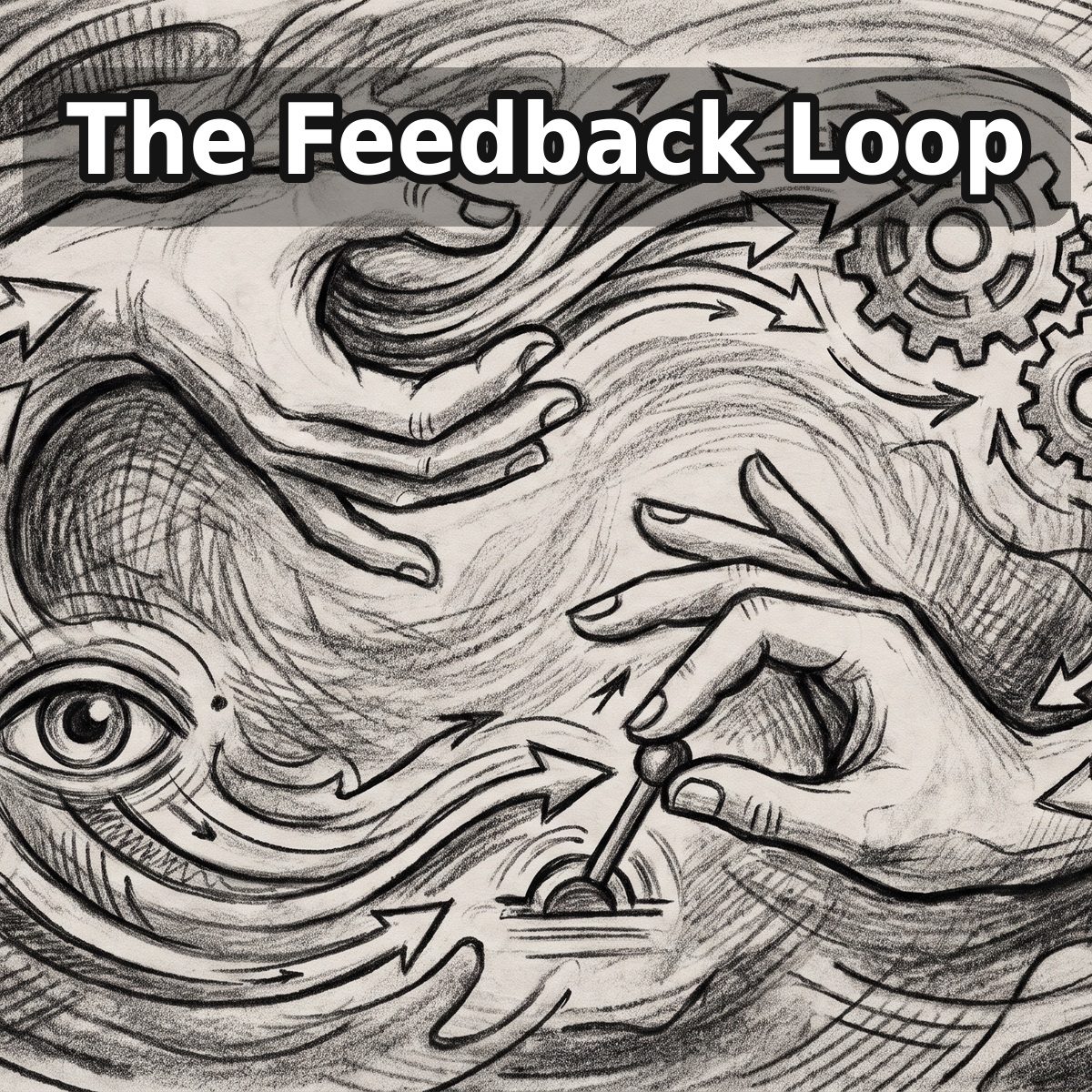
Day 3,203 – The Feedback Loop
This article explores the concept of feedback loops, highlighting their effectiveness in both personal and business contexts. Using a personal anecdote about Weight Watchers and a professional experience with customer satisfaction, the author emphasizes that continuous feedback is crucial for improvement, despite our natural aversion to criticism.