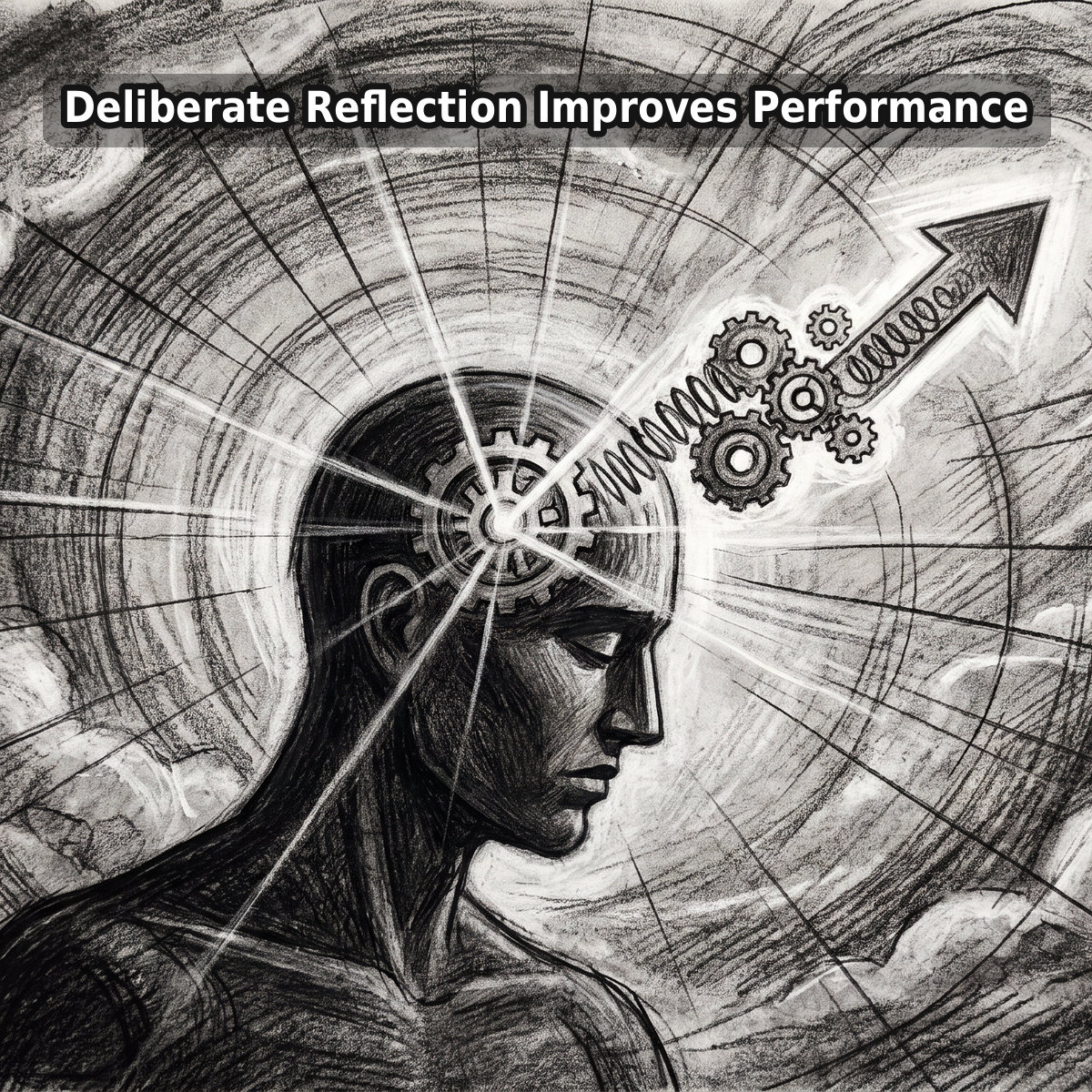
Who are you? Can you answer that question? Seriously. Stop what you are doing right now and think about that question for a solid 5 minutes. No more time required, but take 5 minutes and ask yourself this critical question – Who am I? You might even write your thoughts down.
If you actually take the time to complete this exercise, you are probably going to notice a few things. First, you are going to struggle with this. It is not going to be easy at all. In fact, you might give up. Second, there are going to be areas that you are going to avoid. You will skip over them pretty quickly, and there are reasons for that. Your avoidance is a clue to some fears that you have and there is a big impact that these fears have. I will illustrate that in a moment. You will also notice some immediate memories that flood you mind, stories if you will. These are important as well. They definitely define who you are.
You are also going to be assigning some sort of judgement to yourself. It is really important to consider how you are evaluating yourself. Did you catch that? What metric, measure or evaluation standard are you using? Is it different for separate areas of who you are? Additionally, there is going to be a defining line between who you actually are versus who you want to be versus who you think people want you to be. Interesting if you can consider these and identify them.
I am not going to give advice on this topic. There are some great books out there on the subject of self evaluation. However, I will say this. How you define yourself is the single greatest thing that holds you back, causes you to struggle, prevents you from making tough decisions, stops you from taking the action that you need to and should. We are quite literally our own worst enemy. Usually, there is one area of failure that sticks out in your mind and you probably identified it quickly in the 5 minute exercise. Here is the challenge, that one area will actually bleed over into other areas of your life and it will start to define you. It will serve as the basis for defining who you are. You probably have many areas like this, some failures, some success. They bleed over into all aspects of your life and they actually serve to control you, guide you, impact how you perceive reality.
You have been building this self perspective your entire life, layer upon layer, story by story. If a memory comes to your mind, you should allow your mind to float around in that memory for a while. The reason you remember something from childhood is because it is most likely tied to a self defining moment, something that really impacted you and defined, limited, and narrowed who you could become or would become.
Maybe, and here it is — gulp, you should reconsider how you are defining yourself, measuring yourself? Maybe you are just wrong? Maybe your definition is bogus and not based on truth at all? It is worthy of consideration. I will give you this. If you are trying to achieve something in life and are having struggles in doing so, the problem is all in your head. Chances are the people in and around your life do not think about you all that much, so if you built this narrative in your mind that people are against you, stopping you, preventing you, or whatever, you are just wrong. Time to break the chains. Time to start thinking about the real values that you will use guide, judge, evaluate, and ultimate define yourself.
Guy Reams