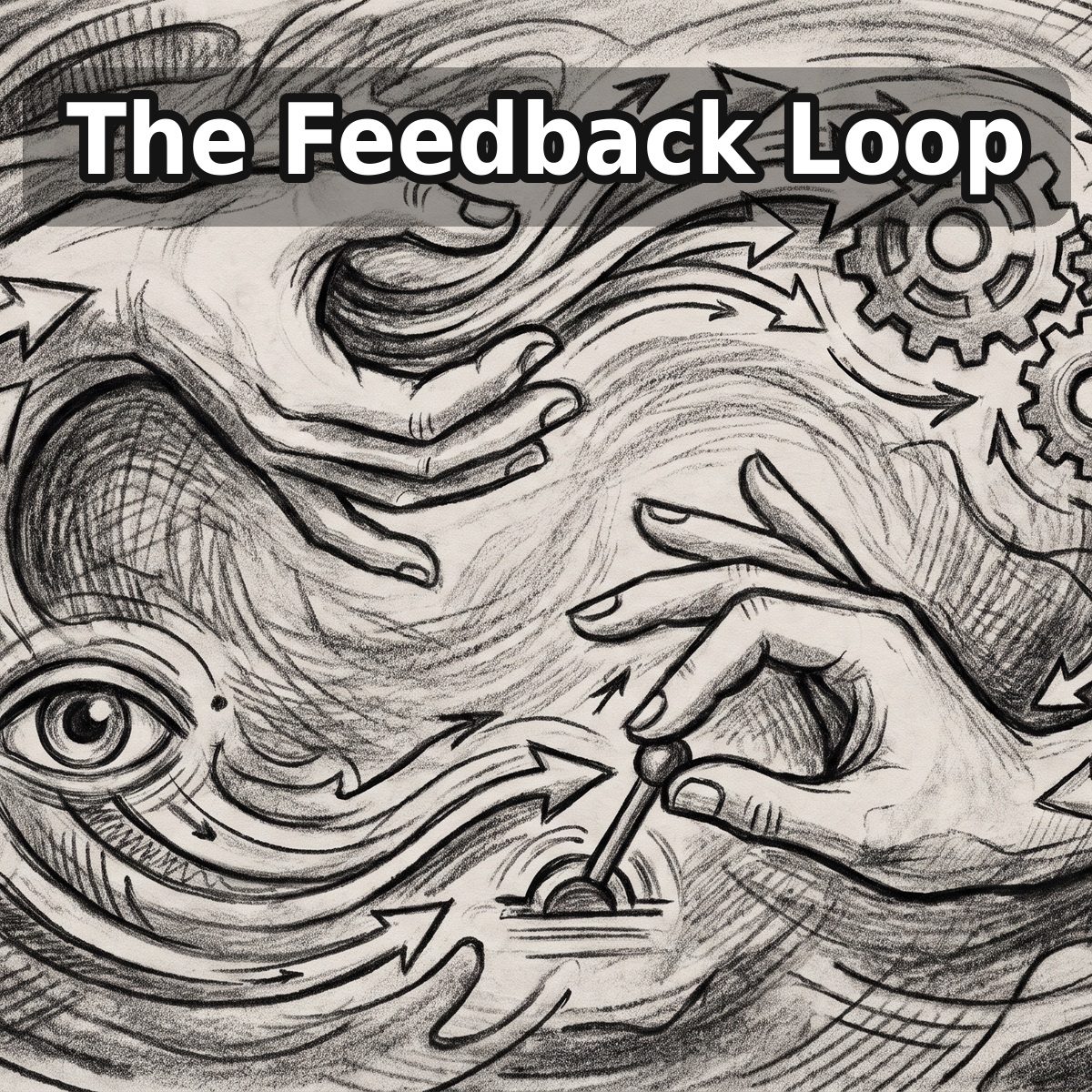
When you stretch a piece of rubber, or plastic or similar material it yields into a new shape. This is generally referred to as elasticity, when you stop exerting force the material returns back to the original shape, usually very quickly and this is called elastic force. Depending on the size, strength, type of material the elastic force can be quite powerful. This is quite amazing if you stop and think about it. In fact so amazing, it behaves this way because of a natural law of physics and it helps us to answer a basic question of life. Here is the question:
Why is it easy to mess up my room, but really hard to clean it up?
If you were like me as a child, this question really was perplexing, still is. Why does my office, garage, closet, just easily become messy yet it is so hard to keep organized? Well, there is a natural law at play here that is why. It is the second law of thermodynamics, which is that a system will move from a state of order to disorder. The reason your room gets messy, is because of the laws of thermodynamics, tell that to Mom! The word to describe this law is entropy.
Entropy is so common in our lives that we take it for granted. It is annoying, when it comes to keeping rooms clean, but it is really convenient when we want to tie hair up with a scrunchy. Ok, I have not had that experience, but I have used a rubber band before. Why does rubber behave this way? Well, it is really rather simple. Rubber is chemically made up of very long chains of polymers. When not under force, the polymers are in a jumbled, disorganized mess. However, when under elastic force, the polymers quickly organize into long chains which is the stretching phenomena. You know something is going on here, because next time you stretch and release a rubber band multiple times you will notice that the rubber actually becomes warm to the touch.
Fascinating really. Well, that is what I am thinking about this Monday morning at 4:30am. Why does rubber always return to the relaxed, disorganized state? Entropy. It is just the way of things in the physical universe. This brings me to the point of this blog, and something to really consider. Humans, meaning you and I, are also under the influence of entropy. Just like a rubber band, we will, when not under force, return back to a disorganized and chaotic state. Just like that piece of rubber, if not under pressure, we will resort back to what is the most comfortable.
This is the problem with habit formation, and trying to improve your life. You work up some energy and apply some elastic force in a particular direction. You stretch yourself for a while, but as soon as you let up, you return back to what is normal and comfortable. This cycle repeats for as long as you are able to continue to apply force, or you break down in some way. This tendency is so powerful that it is the way of things, and if you interview a 1000 humans, everyone of them will describe this same process of trying to make life improvements only to find themselves snapping back to old habits when they lay off for a while.
Knowing the elastic force required to fight against the forces of entropy, you may want to consider another strategy. It requires a two step process. The first step is to really shock your system, by a concentrated effort in a different direction. That usually requires the most initial elastic force. The second step is to maintain a new behavior pattern out of that initial effort that is easy enough that you can keep up the force for a long period of time. In fact, you should be able to keep it up for so long that eventually it becomes the natural, relaxed state. Just think on this, what if your natural relaxed and chaotic state was actually good for you?
That is the trick, in my opinion. When you let go, stop applying elastic force, what do you return to? That is really the answer to any self improvement strategy. What do you return to? What do you resort to when all force is removed? That is your baseline, and if you can get that baseline to something positive amazing things start to happen. Instead of taking three steps forward and one step back, you can take three steps forward and one step forward. The point is that your baseline is one where you are improving slowly, but still improving. If we can just avoid an entropic situation where we return to a state that is self destructive – that is the solution to overcoming the rubber band effect.
Guy Reams