When I was younger, I did some development work. I was a real hack with some of the early days of server side scripting for web servers. I got a couple of contracts to develop some middle ware to basically display data from some older systems on a ecommerce site. The projects grew, and pretty soon I found myself hiring some programmers. I learned a very valuable lesson in life very quickly. When a programmer tells you:

“I am 99% done.”

The programmer is actually telling you that he/she has not started yet. If you ever hear a programmer tell you this phrase, you better let your client know that there is going to be a delay to the project completion date. I caught myself doing the same thing in a different context today, basically told someone that I was 99% done, when I had not really even got started yet. It was a not a programming project but something else at work.

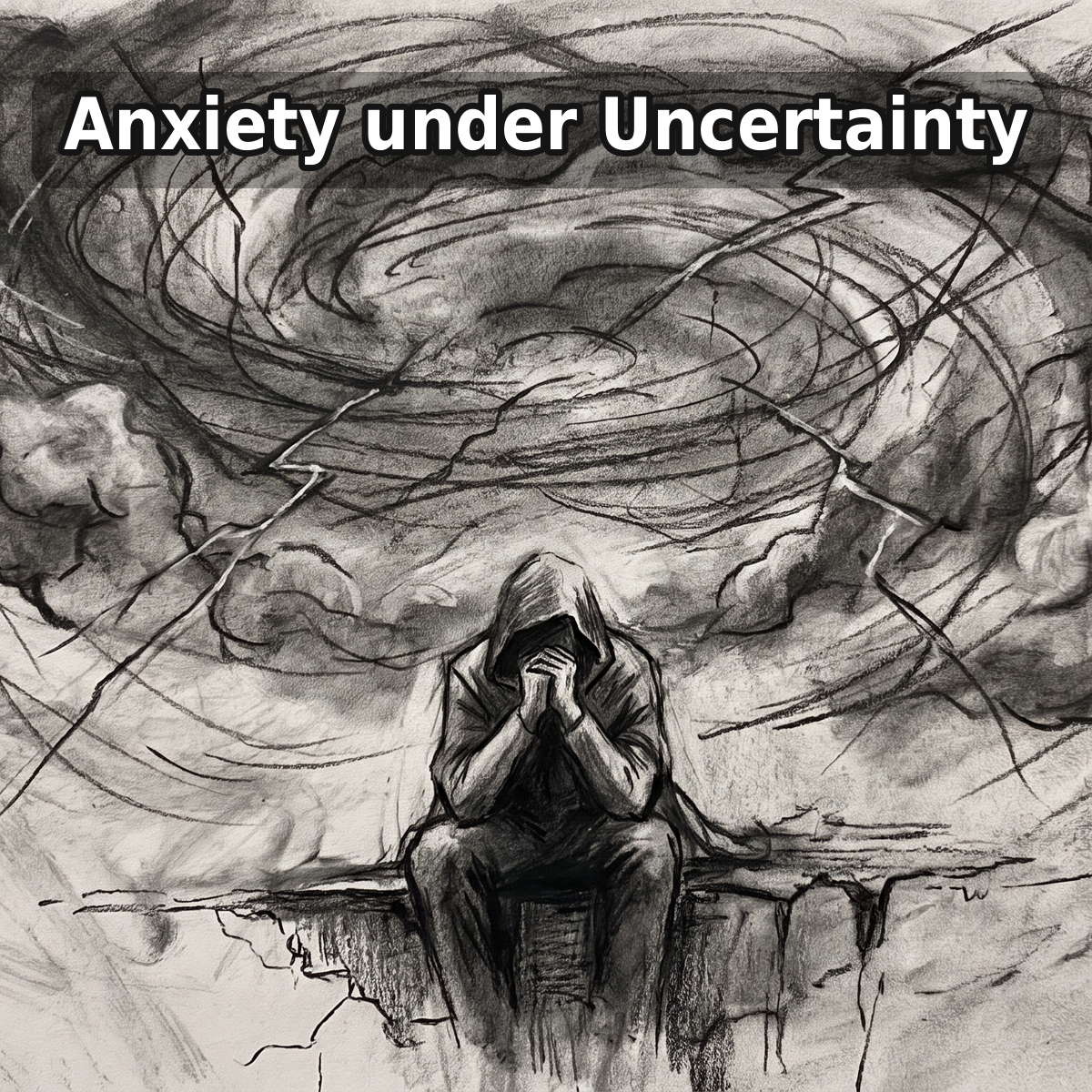
This happens quite a bit in our lives actually. We may not exaggerate that much, 0% to 99% completion but we do exaggerate our status all the time? Why do we do this? Quite simply to buy ourselves more time before a judgement occurs. We are so worried about being “judged” or evaluated in anyway, we will literally kick the can down the road by telling someone that we are almost done.

What that ends up doing is adding extra pressure and stress to get it done in a short period of time. When you have multiple of these collide at once, you get into trouble and you end up disappointing people with poor quality work. This is basically the curse of the overachieving, yet procrastinating perfectionist. The answer is to not do this and to catch yourself when you are so that you can focus on what is important and give those things the appropriate time to do the great work that you are certainly capable of.

Guy Reams

Subscribe
Notify of
guest
0 Comments
Inline Feedbacks
View all comments
Share the Post:

Recent Blogs

Day 354 – Evidence of Work is Not Evidence of Learning

This article argues that AI has exposed a fundamental flaw in modern education: the substitution of “evidence of work” for “evidence of learning.” It highlights how schools have increasingly focused on quantifiable outputs like completed worksheets and assignments, which AI can now easily generate without genuine understanding. The author contends that AI’s proliferation forces education to return to its core purpose—actual teaching and fostering cognitive development—rather than merely verifying compliance.

Read More

Day 353 – les Lumières

Immanuel Kant’s 1784 essay, “What is enlightenment?” marked the end of an era, much like we might be at the cusp of a new one today. The Enlightenment, characterized by reason and a departure from superstition, was known as *les Lumières* by the French and *Aufklärung* by the Germans. We are now entering an “Age of Knowledge” where access to information is ubiquitous, shifting the focus from acquiring knowledge to exercising judgment.

Read More

Day 352 – Habits are Foundation

This article discusses the importance of developing habits for personal transformation. It emphasizes that consistent, small habits lead to inevitable success and reduce reliance on motivation or discipline. The key is to engage in the principal action related to your desired outcome every day, as repetition is the best way to fix behavior.

Read More

Day 351 – The Real Risk is Not the Start

Many people fear starting new initiatives due to the perceived risk of initial failure. However, the beginning often offers easy gains and quick successes. The real challenge arises after these initial successes, when progress plateaus and requires significantly more effort, skill, or a change in strategy.

Read More
0
Would love your thoughts, please comment.x
()
x