Having one day of rest per week seems to most people an exclusively religious concept. It certainly is in the Abrhamic religions. However, they are not the only traditions that honor a concept a kin to the sabbath. Here is a provoking question, to consider. If every major religious traditions have taught for thousands of years that reserving one day a week is  either a commandment of God, or a principle so worthy of following that it will be enforced. So if this has been a human tradition passed on through the aged for millenia or more, preserved, recorded and literally carved in stone. If that many people, for that long, spanning cultures and countries all follow this concept – do you think that maybe, just maybe, they are right?

Perhaps the reason the tradition is preserved so vigiliantly is because having a day of rest is really important and in fact has been proven over centuries of practice that it is generally good for your mental and physical health. Maybe we should take at least 1 day of rest? Put the phone down for a day?

Guy Reams
Subscribe
Notify of
guest
0 Comments
Inline Feedbacks
View all comments
Share the Post:

Recent Blogs

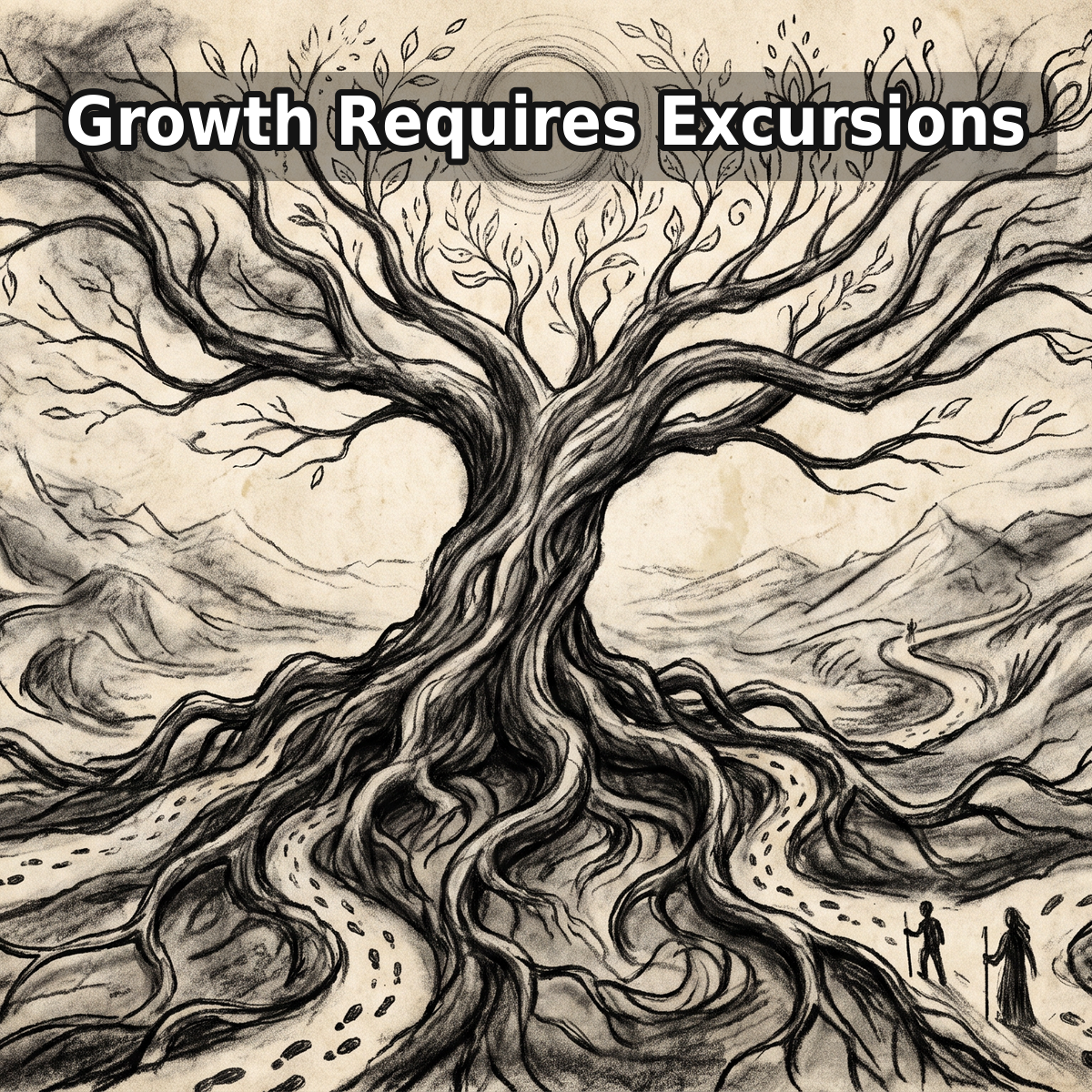
Day 3,227 – Growth Requires Excursions

This piece explores the balance between consistency and growth, using the metaphor of a familiar running route. It argues that while routines provide stability, true growth comes from deliberately stepping outside of our comfort zones and embracing new, sometimes uncomfortable, experiences.

Read More

Day 3,226 – Your Desk Is Your Brain

This article explores the idea that your desk is a reflection of your mind. It suggests that the clutter and organization of your workspace can mirror your thoughts, priorities, and even avoided decisions. The author challenges readers to organize their desks as a way to clear their minds.

Read More

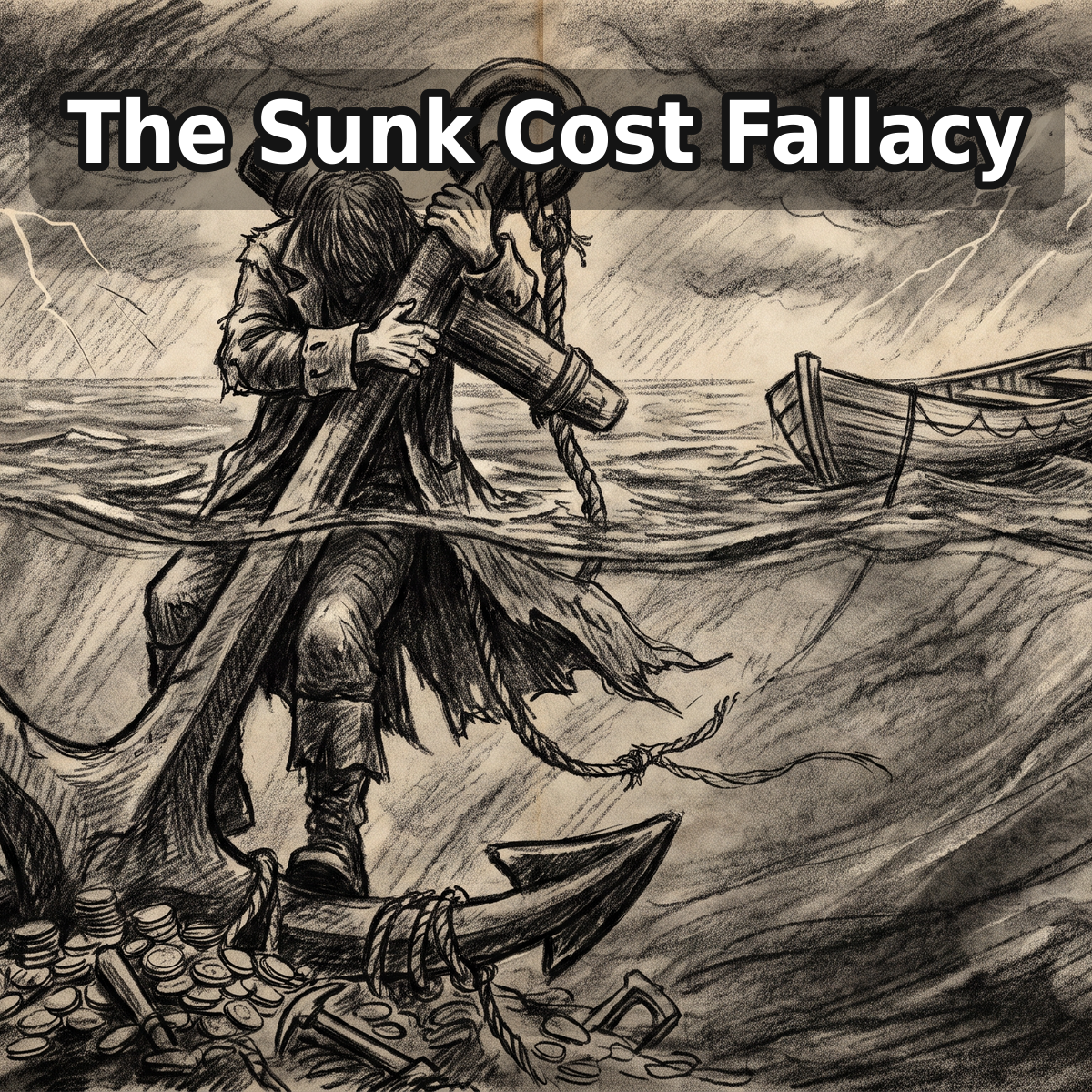
Day 3,225 – The Sunk Cost Fallacy

The sunk cost fallacy describes the tendency to continue investing in a losing proposition because of past investments that cannot be recovered. This often leads to greater losses and regret. The key is to evaluate if future rewards justify additional investment, or if it’s better to cut losses.

Read More

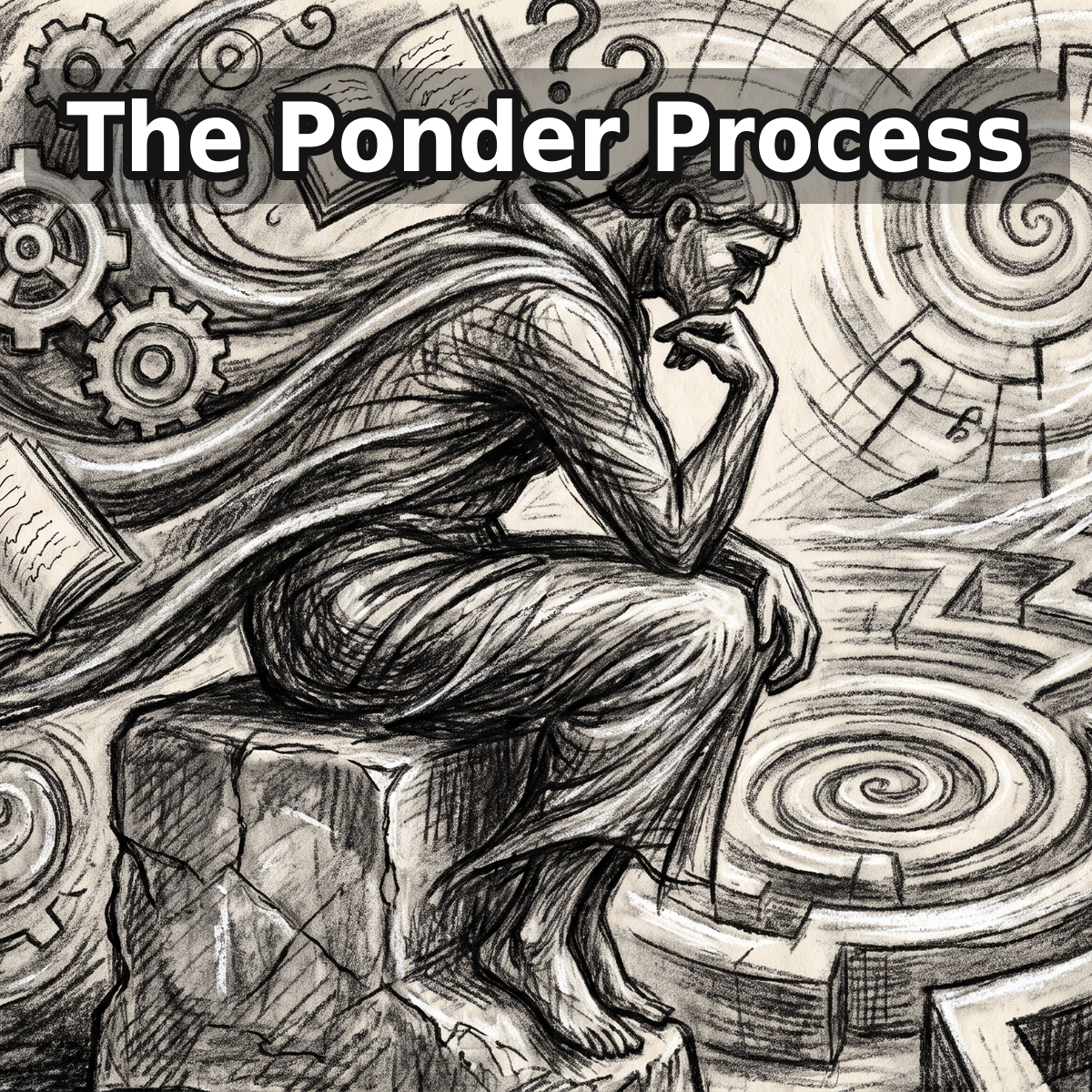
Day 3,224 – The Ponder Process

This article introduces a structured approach to pondering, moving beyond aimless thought to achieve clarity and actionable insights. It outlines a five-step process: defining the specific question, distinguishing facts from assumptions, identifying areas of influence, exploring multiple solutions, and concluding with a concrete action or a plan to revisit the issue.

Read More
0
Would love your thoughts, please comment.x
()
x