Law of Compounding Progress

You can spend an entire weekend trying to improve your garden. You can also spend 10 minutes everyday in the garden working on improving things slightly. The latter will always win. This is the law of compounding progress. The concept is that by doing a little bit everyday, at least slightly more than the rate of decay then you will slowly compound and things will start to look dramatically better. My neighbor has an immaculate yard. I see him out there everyday. Everyday, doing something. Not very big projects, just little by little. I am in my yard perhaps once a year. Usually because a sprinkler broke or a tree died. The neighbor always wins. This is because his efforts compound over time when they are consistent.
Subscribe
Notify of
guest
0 Comments
Inline Feedbacks
View all comments
Share the Post:

Recent Blogs

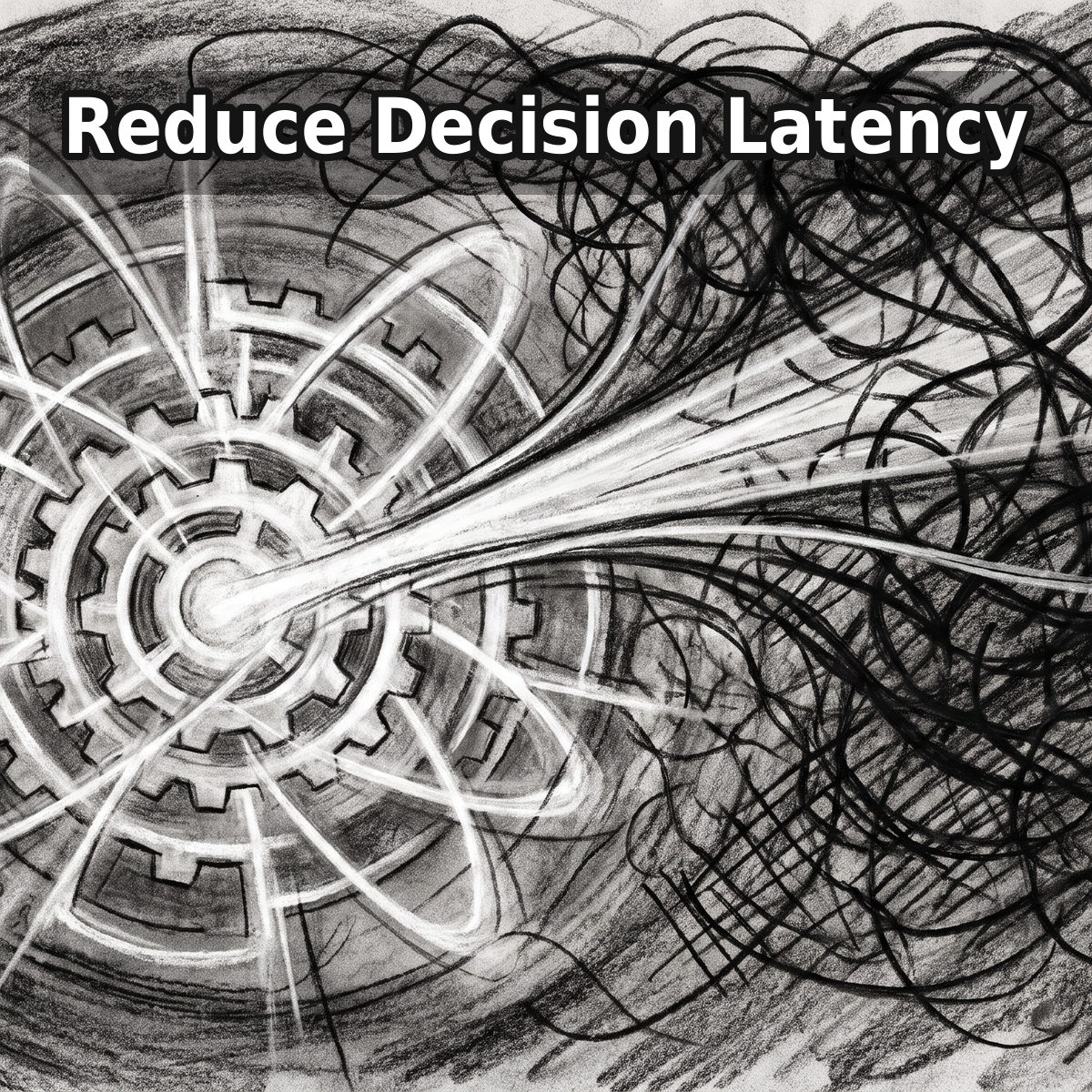
Day 3,228 – Reduce Decision Latency

The author explores the cost of indecision, drawing inspiration from a former Tesla executive’s emphasis on decision speed. They argue that while deliberation is important, fear of being wrong often leads to unnecessary delays. The author advocates for a proactive approach to decision-making, emphasizing action, feedback, and adaptability over endless speculation.


Read More

Day 3,227 – Growth Requires Excursions

This piece explores the balance between consistency and growth, using the metaphor of a familiar running route. It argues that while routines provide stability, true growth comes from deliberately stepping outside of our comfort zones and embracing new, sometimes uncomfortable, experiences.

Read More

Day 3,226 – Your Desk Is Your Brain

This article explores the idea that your desk is a reflection of your mind. It suggests that the clutter and organization of your workspace can mirror your thoughts, priorities, and even avoided decisions. The author challenges readers to organize their desks as a way to clear their minds.

Read More

Day 3,225 – The Sunk Cost Fallacy

The sunk cost fallacy describes the tendency to continue investing in a losing proposition because of past investments that cannot be recovered. This often leads to greater losses and regret. The key is to evaluate if future rewards justify additional investment, or if it’s better to cut losses.

Read More
0
Would love your thoughts, please comment.x
()
x