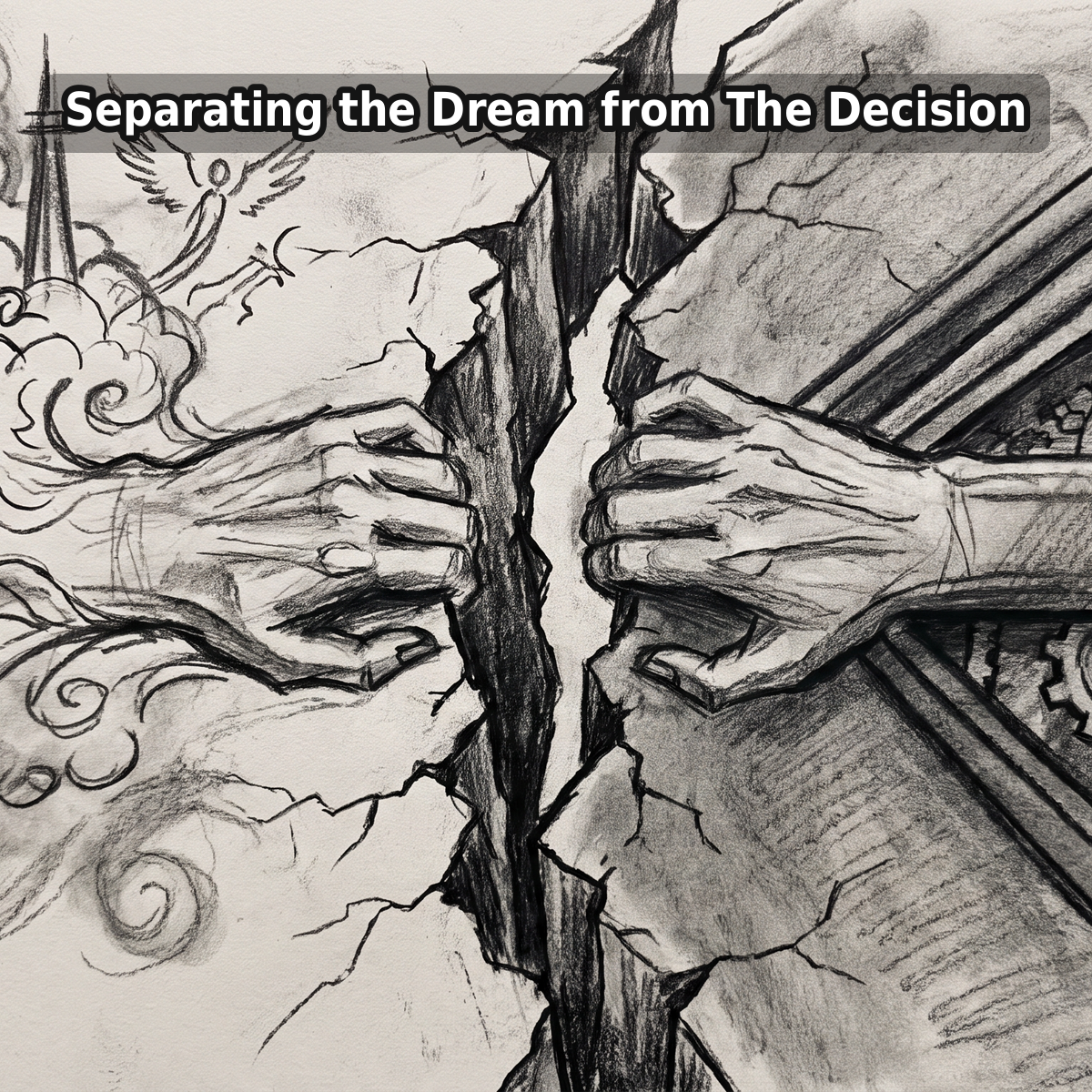
Embarking on a journey of personal transformation requires a vital element: a clear vision of your Future. It serves as the compass that guides your actions and decisions. This article will explore the power of envisioning your future self and how it can transform your life. Here are four fundamental aspects to consider when crafting this vision.
- Visualizing the Future: I suggest spending prolonged periods visualizing your future self. This involves thinking deeply about what you will be like in the Future, not just as a general idea but with complete Visualization.
- Detailed Visualization: I encourage being as detailed as possible in your future vision. Consider aspects such as when this transformation will happen, how you will know it has occurred, what events may lead to it, and what you will wear.
- Clarity and Precision: You become more precise in your day-to-day activities and decision-making by focusing more on your future vision. This clarity leads to more specific actions and choices that align with your desired Future.
- Targeted Actions: A clear vision of your future self allows you to target your daily actions toward that destination. This intentional approach is far better than aimlessly navigating life without a defined path.
Meditation provides a natural platform for visualization exercises. During meditation sessions, you can vividly imagine your future self, the experiences you wish to have, and the goals you want to achieve. This mental rehearsal can strengthen your commitment to your vision.
To leverage meditation for focusing on your goals and vision, consider incorporating it into your daily routine. Even just a few minutes of meditation daily can yield significant benefits. The practice can be a valuable tool in your journey toward personal transformation, whether through mindfulness meditation, guided Visualization, or other meditation techniques.
When you vividly visualize your goals, you signal to your brain that these goals are essential. This activates the Reticular Activating System, a part of your brain responsible for filtering information and focusing on what’s relevant. It then helps you notice opportunities, resources, and information related to your goals that you might have otherwise overlooked.
In essence, Visualization serves as a mental rehearsal and a motivational tool. By repeatedly seeing and experiencing your goals in your mind’s eye, you clarify your objectives and condition your mind to support your journey toward achieving those goals. This mental practice can profoundly impact your ability to realize your aspirations.
Both memories and imagination involve the creation and manipulation of mental representations. Memories are recollections of past experiences, while imagination involves constructing mental scenarios that may not have occurred. However, expression, engagement, emotional reaction, and the impact on our behavior are similar.
When you have a Vision of the Future that is clear in your mind, even when it becomes a memory, your morning ritual becomes purposeful. You gain alignment in your activities. You also start to magnify your daily accomplishments. You are performing one task and, at the same time, making a step toward your Future Self.
You can watch my video here, where I discuss this concept and share a personal story of how one of my visions became real.