Introduction
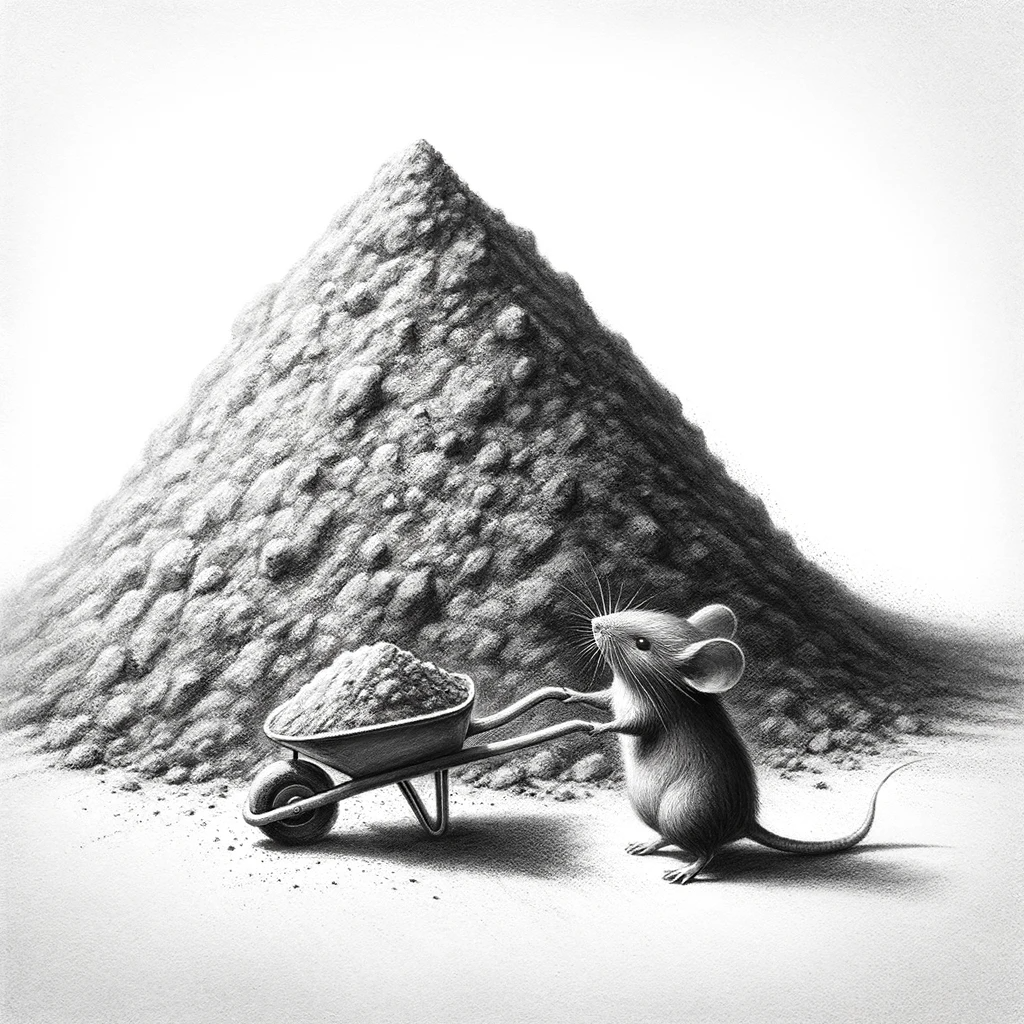
In the whirlwind of life, the only constant is change, often manifesting as disruptions to our meticulously planned routines. It’s a familiar story: the frustration of a schedule thrown into disarray by unforeseen events. Recently, I found myself grappling with this very challenge while traveling with my family. My typical workload seemed like a mountain too steep to climb amidst the chaos. Yet, there was a silver lining: my understanding of my ‘minimum.’ This concept, though simple, kept me anchored. By achieving my minimum daily effort, I maintained progress, ensuring that even in the stormiest of days, I stayed on course.
The Power of the Minimum
Research in productivity and psychology underscores the significance of setting minimum expectations. It’s a strategy embraced by successful individuals across various fields. I remember reading a study that suggested that establishing a daily minimum task list enhances focus and overall productivity. This approach doesn’t just apply to grand projects; it’s about acknowledging that even the smallest tasks contribute significantly to our larger goals. By committing to a minimum workload each day, we build resilience against the unpredictable, ensuring continuous progress.
Small Steps, Significant Progress
It’s easy to overlook the power of incremental progress. Yet, as the saying goes, “a journey of a thousand miles begins with a single step.” In the context of disrupted schedules and unexpected detours, this philosophy is particularly pertinent. Even the smallest step forward is a victory against stagnation. By setting a minimum expectation, every day becomes an opportunity for advancement, regardless of the magnitude of progress.
Wisdom for the Way
Reflecting on this, I’m reminded of a poignant quote by Anne Lamott: “Almost everything will work again if you unplug it for a few minutes, including you.” This wisdom resonates deeply with our discussion. It’s not about relentless pursuit; it’s about knowing when to recalibrate our efforts to the essentials. In doing so, we not only preserve our energy but also maintain a steady pace towards our goals.
Conclusion
In conclusion, establishing a minimum daily expectation isn’t about lowering our standards, but about smart strategizing in the face of life’s unpredictability. It’s a testament to our resilience and adaptability. As we share this journey, it’s crucial to remember that our strength lies not just in the heights we aspire to reach, but in our ability to keep moving forward, no matter how small the step. So, to my fellow busy professionals and all striving for growth, let’s embrace our minimums. They are not our limitations, but our stepping stones to greater achievements.