I am hosting the Southern California Chess Championship in my chess club in my home town. The games are being live-streamed on chess.com and lichess.com. As it turns out, this is a pretty high-rated FIDE chess event, which is exciting. Eight of the top-rated players in Southern California are battling it out in a round-robin event on Thursday, Friday, Saturday, and Sunday.
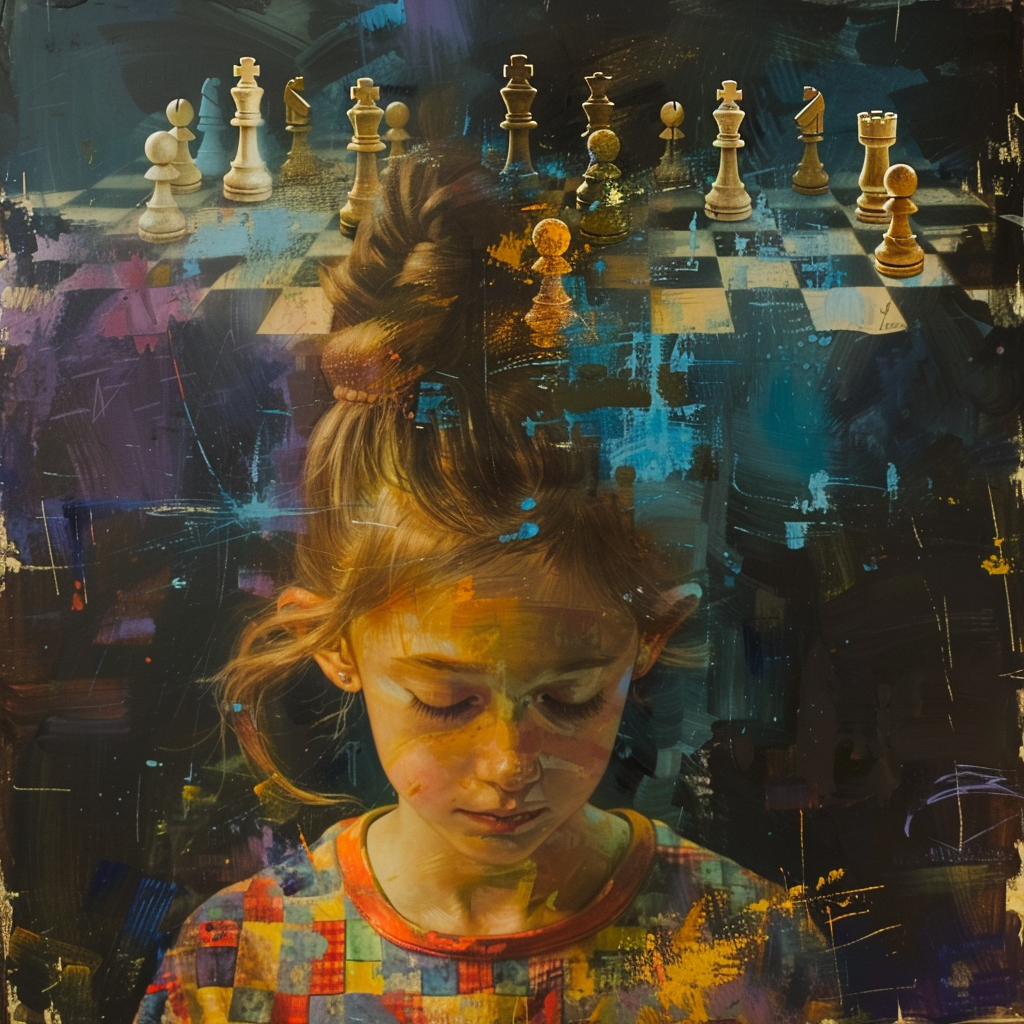
As I was watching the games this evening, I was sitting with some chess friends and we were talking about board visualization. If you remember the Queen’s Gambit series on Netflix, they show this a lot where the lead character can see the chess positions in her mind. Well, this is a common thing, and it is called board visualization. Any chess player that is any good, can visualize the board for the most part. They can see the positions in their mind and play through game sequences without actually using a board and pieces. People who hear this are usually astonished, but the best GMs (Grandmasters) in the world can play many live simultaneous games all in their heads at one time. Once you can play at this level, visualization is not that complicated, albeit difficult.
This is what it means to truly master your craft. When you can visualize the process, flow, results, and patterns in your mind without actually seeing it in front of you. When you can understand the entire course and workflow of a business process, artistry, and other endeavors completely in your mind. When you are so tied into it you can rehearse the steps and sequences and completely visualize what happens and when without any aids.
The ballerina can rehearse an entire play and all the orchestrated moves in her mind. The salesperson knows his offerings so well that they can run through all possible objections and use cases without referring to any material. The chief executive knows her supply chain so intimately that she understands how and why everything moves through production. These people have learned to visualize, and that has taken a considerable amount of time in dedicated and focused practice, rehearsal, and review.
To outsiders, these people seem like superhumans. The reality is they have poured over 50,000 hours into their craft, and they can visualize everything because they have seen the patterns over and over again.