So, yesterday, I dove into the science of inflammation in the human body. I already knew these concepts, but the revelation was just the amount of debris that was dumped into our systems when digesting a meal. We do not understand what goes on at a cellular level; we take for granted the ability of the human body to process the good and discard the bad. We are resilient and can withstand a massive amount of abuse before we begin to show signs of wear.
As I sat down this morning to eat my Cheerios. Well, I will be honest. A bowl of whole wheat cereal would have been better than my scrambled eggs, cheese, bacon, toast, butter, strawberry preserves, and orange juice. Anyway, while sitting at breakfast, I realized that I was about ready to dump a ton of workload on my body, and my cells were about to go into a frenzy dealing with the processing of calories, nutrients, and contaminates that I was going to be eating. As I lifted the first fork full of eggs to my mouth, I had this sudden observation.
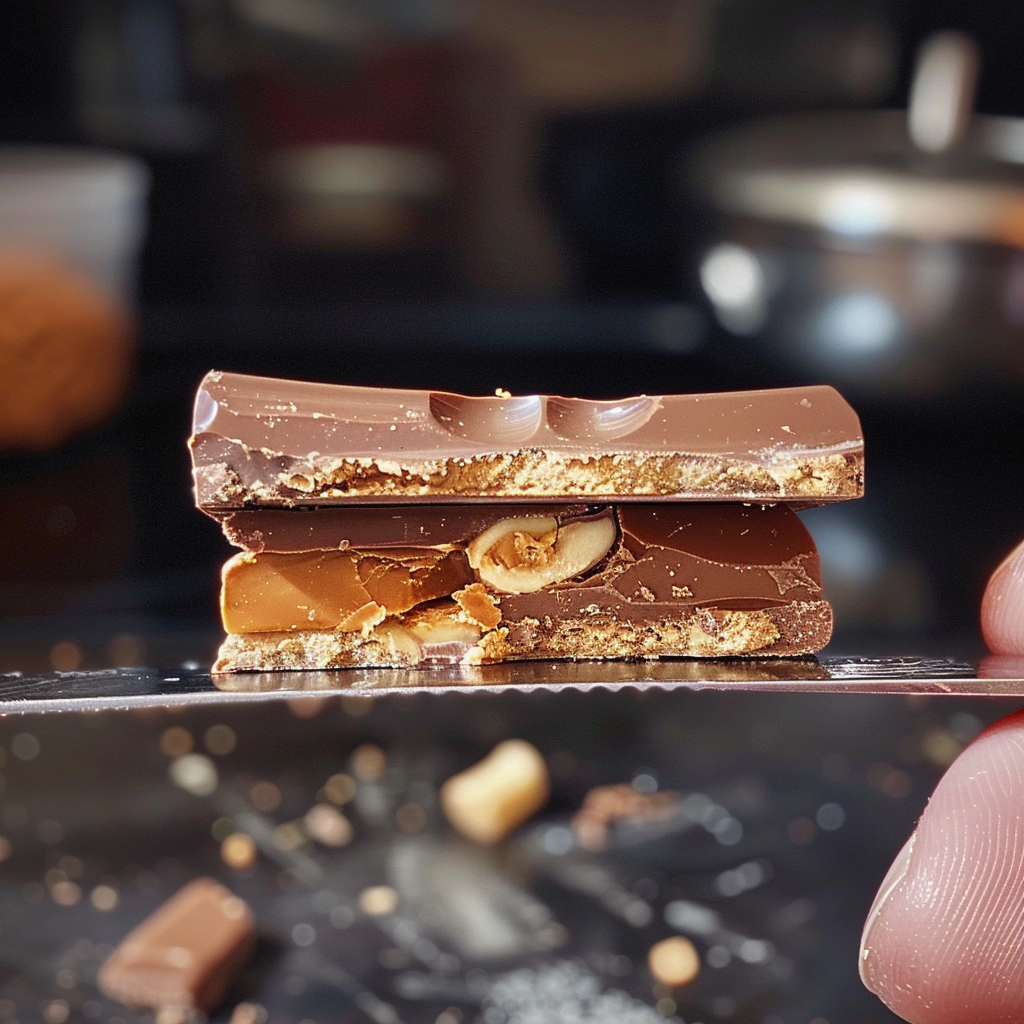
What if I just cut this meal in half? What if I just ate one piece of toast, half a glass of orange juice, and one piece of bacon instead of two? The results would be half the workload and half the debris being flooded into my system. Would that not be an improvement if every time I consume something, I just cut it in half? So, for the rest of the day, I tried just this. I went to grab a protein bar that I liked. It is good for me, generally, but undoubtedly full of preservatives and other non-nutritious things my body will have to dispose of. So I just took a pair of scissors and cut the bar in half.
The funny thing is that I feel just as satisfied with my snack choice even though I ate exactly half of what I normally do. My body is going to do half the processing, take on half the workload, and recover twice as fast. So rather than coming up with complicated schemes and eating plans, maybe the answer is just to cut it in half!?
There is a definite science behind caloric restriction and improved health. The math is quite simple: the less load you put on the body and the more time you give the body to recover between meals, the stronger, healthier, and more responsive you will be. Intermittent fasting works so well precisely because we have given our bodies adequate rest in between large meals that require the body to fully engage in processing what we are taking in.
So, as we work hard at our jobs and other ambitions, I wonder if we realize the impact or burden that our last meal is taking on our bodies. We are expecting a full performance from ourselves, but we just got done by purging the floodgates of workload for our internal systems. It seems to be that just by reducing the amount and the amount of time it takes to process incoming food, then we would be ready for the next challenge.
If we want to perform better mentally and physically, then perhaps we should reduce the amount we tax the body with each eating and drinking session. Perhaps eating half of what we normally do is too simplistic, but it feels like a good place to start. At the end of the day, eat half of what you normally do and see the impact this has on your performance and health. It seems that we will find that the less time the body spends in digestion and other filtration requirements, the more we can start to come up with new innovations, improved progress, and other enhancements to our work and personal lives.