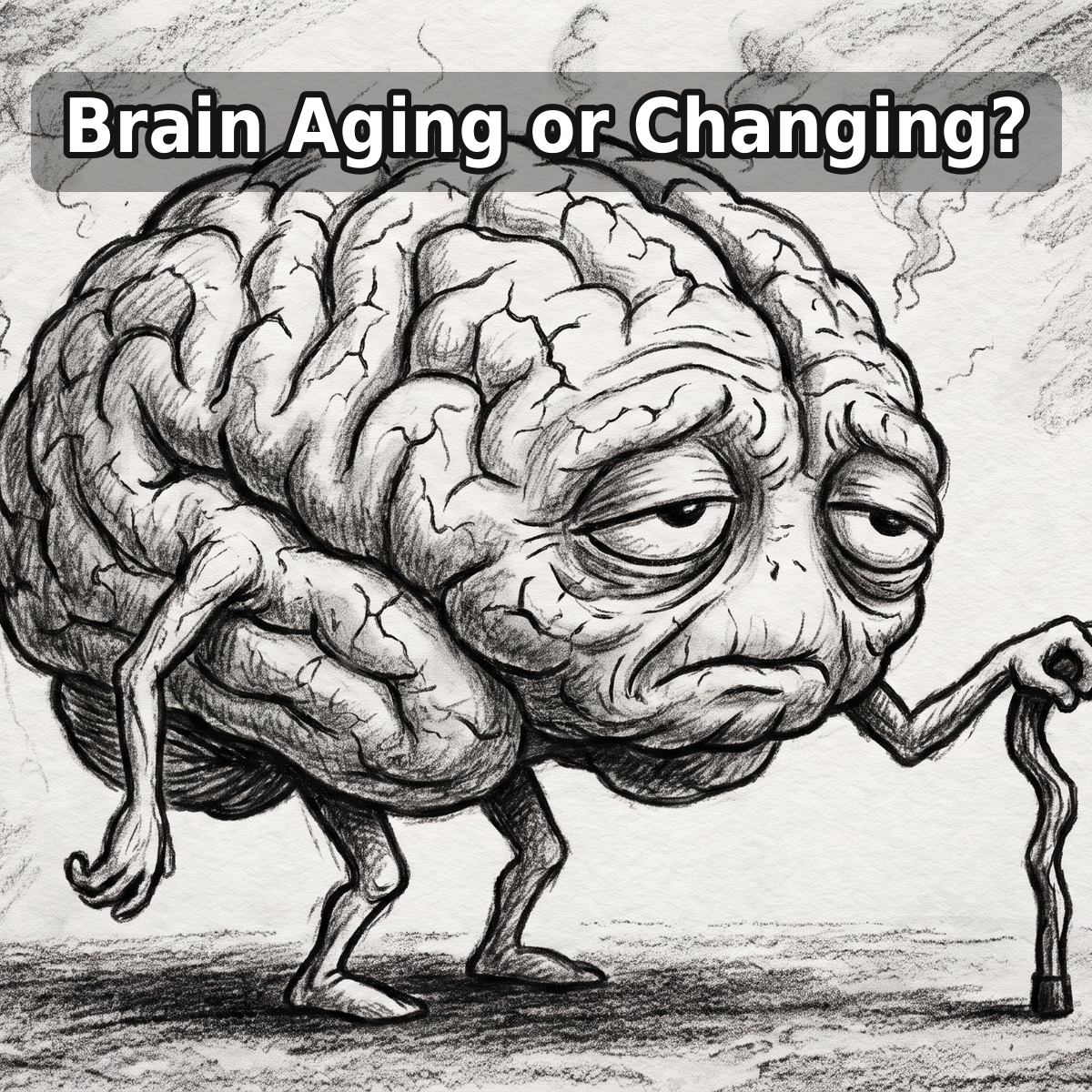
Some fundamental signal-processing concepts in computer science are often used to describe human behavior. These phrases are often times referred to as if they are factual when, in reality, they are completely false and often times confusing. The English language started incorporating these terms into daily vocabulary in the mid-20th century. I feel bad for people who are trying to learn English, not only due to the many colloquiums but also the intermixed technical jargon that has become one giant metaphor for human behavior.
For instance, the concept of multi-tasking. This is a computer-related term that became a mainstay in popular culture when computers started allowing instruction sets, called threads, to be queued and time-sliced so that you could switch between applications. You may not have been around when a computer could only run one instruction at a time, and you had to shut down the routine or application before you could start a new one or at least suspend the current running process. So, when we could switch between applications in a graphical environment, we were given this new idea of multitasking between applications.
So, we have consequently transferred this to consideration of the human mind. We stay, frequently, that we are multitasking. We are trying to infer that we are actually working on multiple things at one time. The reality is that we are not because that is not possible. Even with a single-core CPU, you could only really be executing one thread at a time. Even though you were queuing threads, holding them in the cache, you were only actually running one thread through the CPU core processing functionality at a time. Nowadays, we have machines with multiple CPUs and cores in a CPU, which allows for processing threads in more of a parallel manner. This is where the analogy leaves us.
The conscious mind, the active human mind, is serial. Single-threaded. In digital signaling, you have parallel and serial communication. Parallel is when you send multiple data bits through separate channels all at the same time. Sequencing becomes a big deal because you want to make sure everything that is sent is received. Serial communication only allows processing one bit at a time, super fast, which requires that both sides be synchronized accurately. The human brain cannot actively “think” parallel. Your mind can only hold one primary thought or execution function. You can store a few digits in your active memory, but you can only think of one at a time. Interestingly enough, you can remember complex imagery better than a string of numbers. Expert memory people combine the two to perform some amazing memory feats. You may think that you can think multiple things at once, but what you are doing is rapidly switching between thoughts, but only able to execute one at a time.
But wait, you say, I am breathing right now! How did my brain do that and think? Well, that is the kicker. The human mind and the associated mind in other areas of the body are capable of parallel processing. The unconscious, which is connected to different centers of the brain and some overlapping areas, is capable of processing many things in tandem. Humans are quite literally serial and parallel processing all the time. So, when you say you multitask, that is both true and false. You can only think one thought, but your body can process thousands of simultaneous things without your intervention.
This is a long way to coming around to a single conclusion. Your active brain is single-threaded. Although you can jump around a lot, you will always perform better if you complete one process before moving on to another. When carrying out a thought or action, it is better to focus on the task at hand instead of trying to replicate a multi-treaded, parallel processing dual CPU multiple core PC.