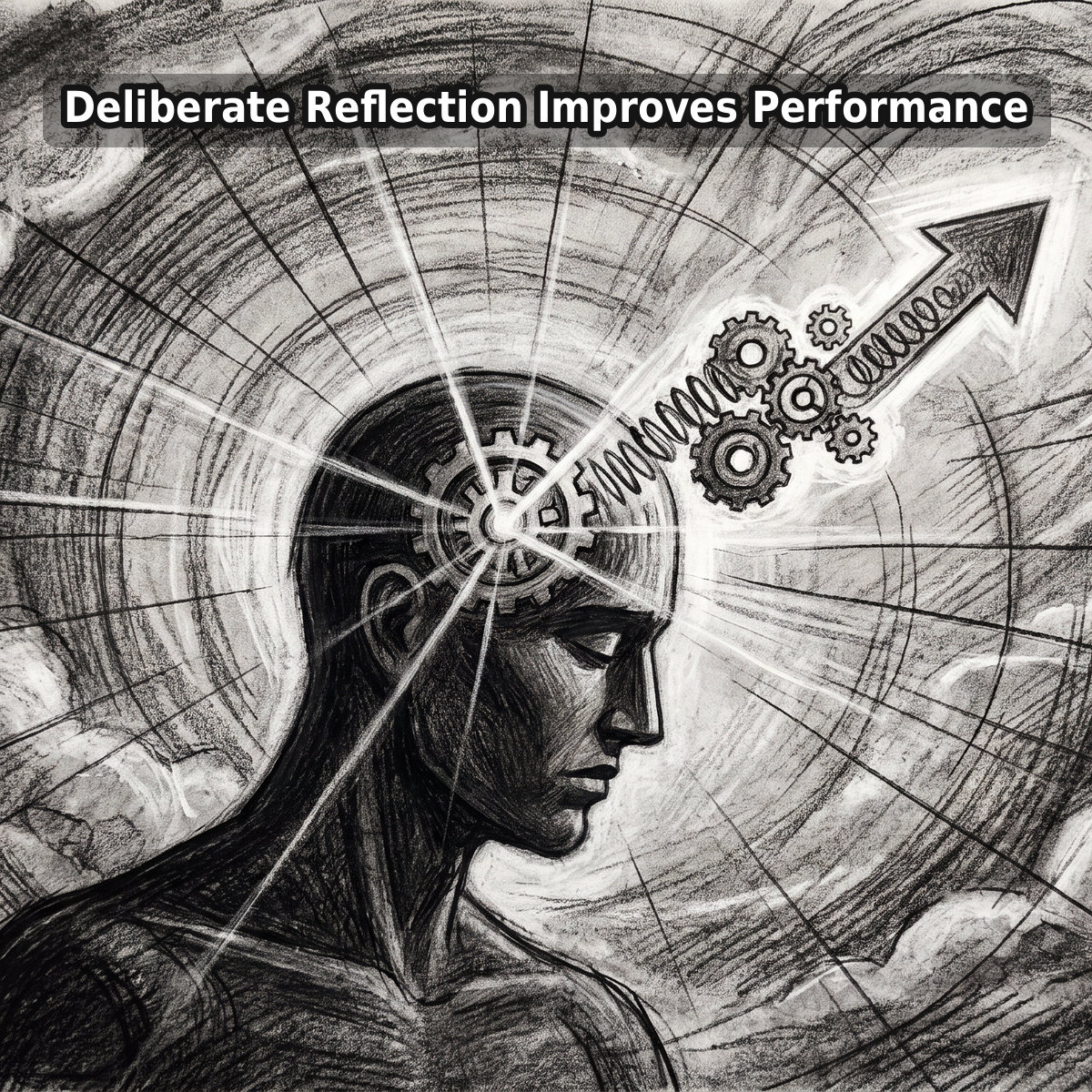
Tunnel vision has a negative connotation. Perhaps that has merit. After all, when you have a narrowed perspective, you have the potential to ignore or miss important issues and alternative solutions, and you can open yourself up to poor decision-making. When you are narrowed in your view, you tend to ignore other perspectives, and that can cause you to step on toes unwittingly and perhaps cause damage where you did not intend.
Having said all that, sometimes you need tunnel vision. This is true when you need to zero in on a goal. When persistence and concentration are required. There are times when this level of focus is beneficial because your focused attention will allow you to be more efficient and not have your attention divided and distracted.
So, how do you flip the switch when you need it? How do you implement tunnel vision when you need it? I thought about this in some detail and came to the following conclusions.
#1—Crystal Clear Goals—A specific and clear goal is essential, with measurable objectives broken down into key milestones. If you want to go into tunnel vision mode, you need to have a well-defined and clear goal that you are focusing on. You cannot maintain focus without this key element.
#2 – Passionately Eliminate Distractions – The space in which you operate cannot be filled with distractions. It needs to be clear of anything that can move you out of the tunnel. This would include all external inputs. I have heard myself exclaim, “I cannot focus today!” Then I noticed that I have a phone constantly going off. I have my email inboxes open continually. I have music playing, dogs barking, and a host of other distractions. No wonder focus is hard.
#3 – Schedule Focus Time and Hold it Sacred – You can block your time. You can create time zones in which you focus and ignore all else. This is possible. What is happening is that we, as task workers, are trying to do more than one thing during this time. This is an open invitation to fill that special time with a bunch of distractions and other people’s issues pulling you away from what is important.
#4—Use Visualization – Imagine being a focused, dedicated person with your mind locked in an important goal. You can see this, believe it, and make it happen. I think it is also helpful to create visual reminders and ensure the environment you work in is completely centered on the primary ambition and nothing else.
#5 – Focus on the Process – If you spend your time worrying about the outcome, you simply cannot be effective now. I have spent time wringing my hands questioning if I can hit a target or not and slowly the clock ticks away. Better is to create a process you believe will get you there and just follow it. Dedicate time, and follow your process. Trust that it will work and believe in what you created. Stop second guessing.
#6 – Measure Progress Regularly – It’s not enough to just dive into tunnel vision mode and hope for the best. You need to periodically come up for air, so to speak, and measure how far you’ve come. This can be as simple as checking off completed tasks, reviewing key performance indicators, or reflecting on what’s been accomplished. Measuring progress keeps you on track and provides a sense of achievement, which fuels further focus. Plus, it allows you to recalibrate if necessary.
#7 – Embrace Short Breaks – It may seem counterintuitive, but taking small, structured breaks can actually enhance your focus. The mind benefits from short periods of rest, which can renew your energy and sharpen your concentration when you dive back into your tasks. Think of it as a strategic pause, allowing you to refuel before going back into full tunnel vision mode. Be deliberate with your breaks, ensuring they don’t derail your momentum but rather strengthen it.
In the end, tunnel vision isn’t inherently good or bad—it’s a tool. Like any tool, its effectiveness depends on how and when you use it. The key is knowing when to narrow your focus, when to broaden it, and how to balance the two to stay aligned with your goals. The next time you find yourself scattered or overwhelmed, don’t hesitate to activate your tunnel vision. Used wisely, it can be a powerful force to drive you toward success.