The concept of being still is a common answer offered to those who struggle with anxiety. But if you’re anything like me, the idea of just laying back and doing nothing sounds absurd. You always have to be doing something. If a moment goes by and you aren’t being productive, it feels like you’re wasting valuable time—that you’re falling behind, not doing enough.
So people tell you to be still. To be mindful. To meditate. Oftentimes, they say things like, just relax.
And when you look to religious texts for guidance, you’re told to be still, be patient, relinquish control, and trust in God.
For me? That would be a no.
So here I am—a basket of energy and a tightly wound ball of anxiety. Being still, as a suggestion, sounds simple enough. Reality? Probably not going to happen.
But before we can talk about how to reach that seemingly unattainable sense of deep peace in the present moment, I think we need to explore the different types of stillness—and how they’re connected.
We’re conditioned to move, react, fix, optimize, and make constant adjustments. Our biology and our culture reward action. Stopping, even for a moment, can feel like cheating—like you’re violating some unwritten rule.
There are two layers to stillness in this context:
1. Daily Stillness
This is the kind of stillness you practice daily. You carve out time to pause, unplug, breathe, and simply be. It sounds like it could be great—restorative, even.
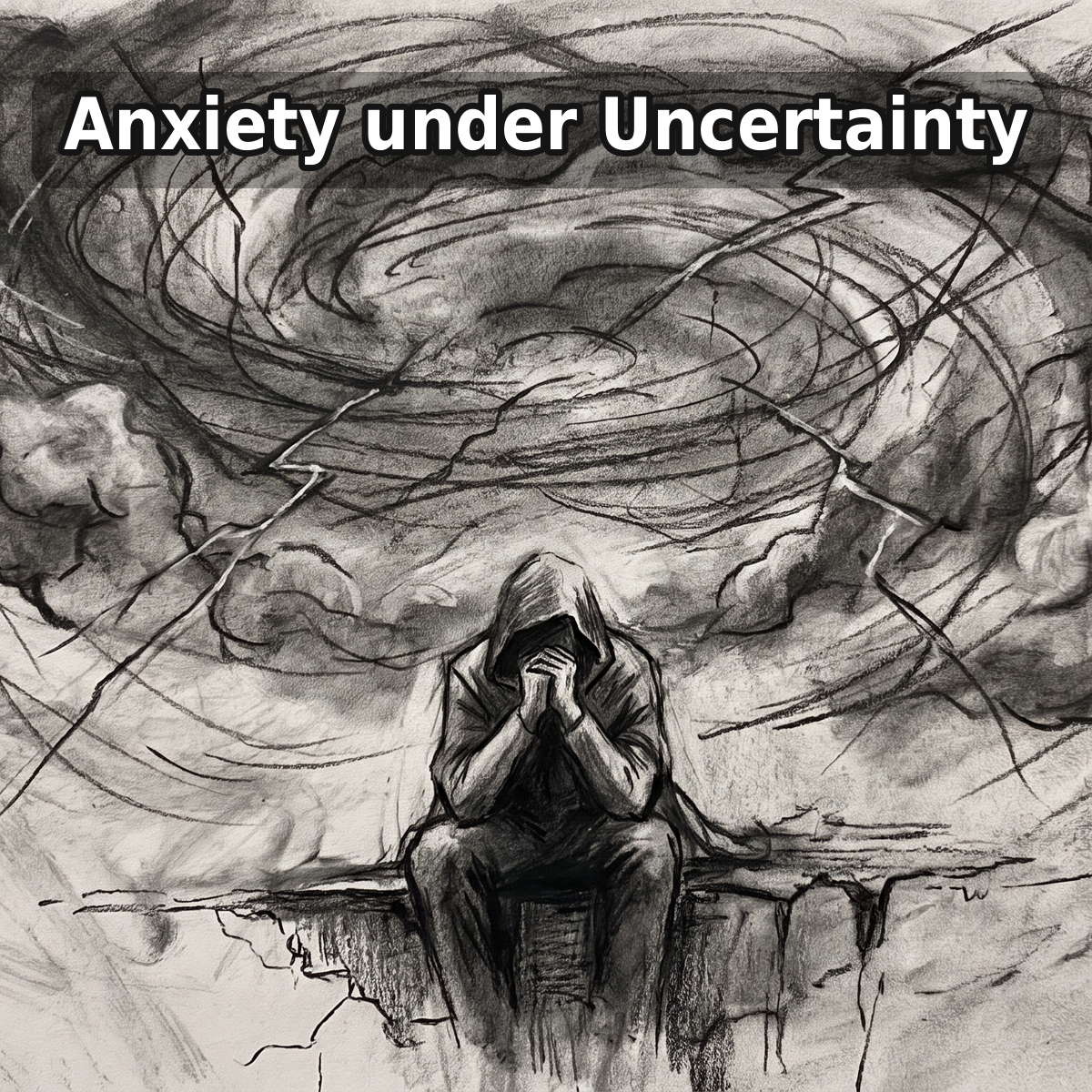
But the truth is, it’s uncomfortable. All the things we’ve been avoiding start rushing in: thoughts, emotions, unanswered messages, stacked-up bills, unfinished conversations.
People don’t avoid stillness just because they’re restless. They avoid it because they don’t want to face what’s waiting for them in the quiet.
2. Stillness as Patience
This kind of stillness is about long-term thinking. It’s about waiting without rushing in to fix everything. It’s the parent watching their toddler struggle with a puzzle, choosing not to intervene.
This stillness requires trust—trust in time, in the process, in other people, in God, or in something greater than your own individual effort.
It’s not passive. It’s an act of courage. Sometimes, doing nothing is the hardest thing to do.
This is the type of stillness that believes something good can come about without your constant input. And that’s tough—especially for people like me.
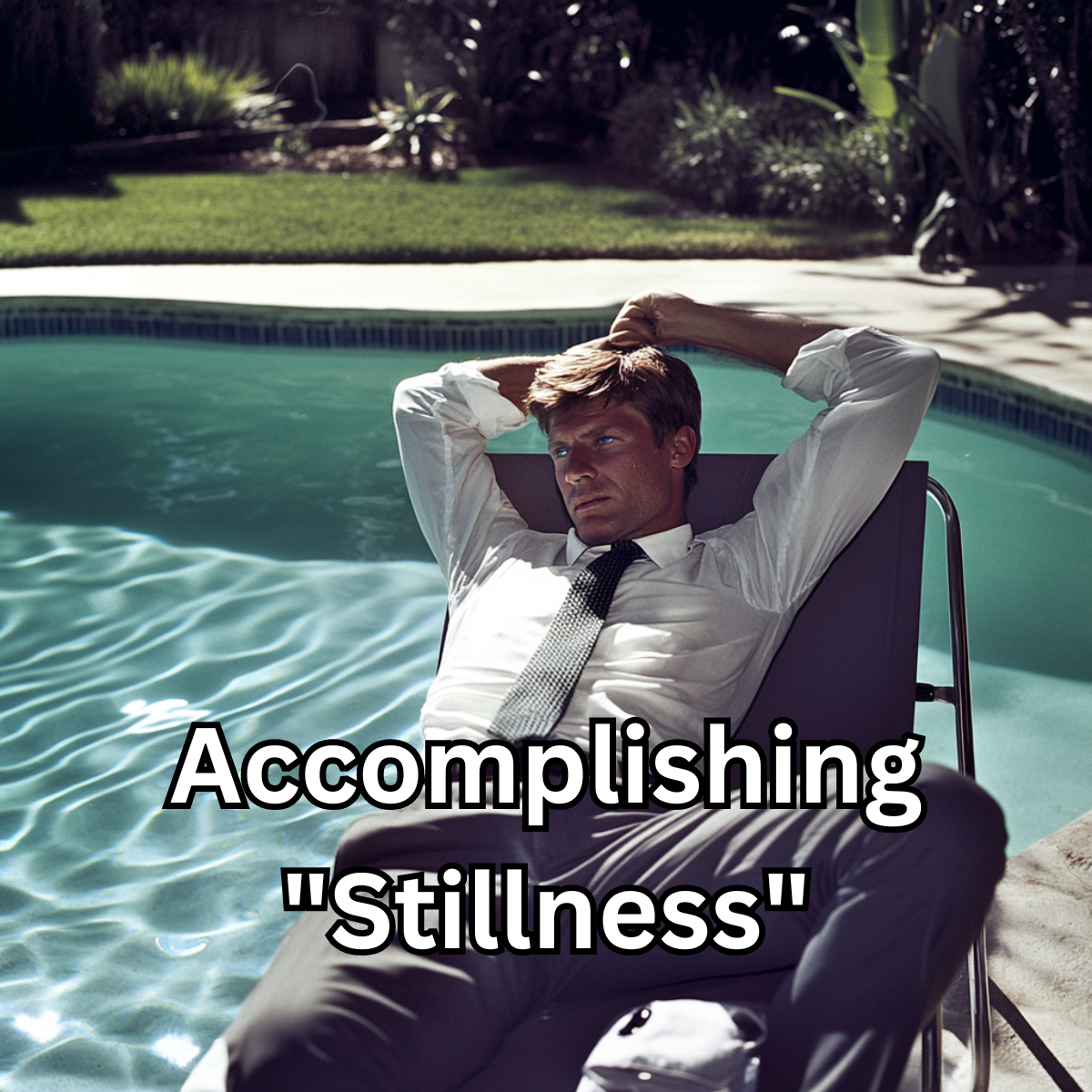
The point is: stillness is not doing nothing. That’s the misconception—the workaholic’s definition of stillness.
But the truth? Stillness takes discipline. It takes regular practice to learn how to pause each day.
And it takes even more effort and strength of will to remain still when everything inside you is screaming to meddle, to fix, to do something.
When you think about it, your resistance to stillness reveals something deeper.
It shows your arrogance—and your ignorance.
You don’t believe anything good can happen unless you are in control. Unless you are doing something.
It shows you where your trust truly lies.
Is your trust in God? Or is it in yourself?
If you trust in God, you’ll learn to be okay with stillness. If your trust is in yourself alone, then being still may feel impossible.
One final thought: these two forms of stillness are connected.
The more you practice daily stillness, the more likely you are to cultivate long-term patience.
If you learn to be still in the small, daily moments, you’ll be better prepared to wait patiently when life’s bigger challenges come along.
Stillness isn’t weakness. It’s strength in disguise.