Everyone keeps saying you should ‘network more’—but what does that actually mean?
One of the concepts I see getting thrown around a lot is that of networking. The context is usually getting more business, meeting new people, or finding better employment. People will say something like, “If you want that, then you should be networking.”
I think the challenge with this word—networking—is that it implies an important concept that is often lost on the very people this advice is given to.
It’s meant to convey the idea that a person should be purposeful about building and nurturing relationships that can create opportunities. That’s the concept. But the intent behind the methodology is often lost. As a consequence, you get lots of messages from people wanting to be “in your network.” Clearly, the meaning got lost somewhere around the 1,000th LinkedIn connection request they sent.
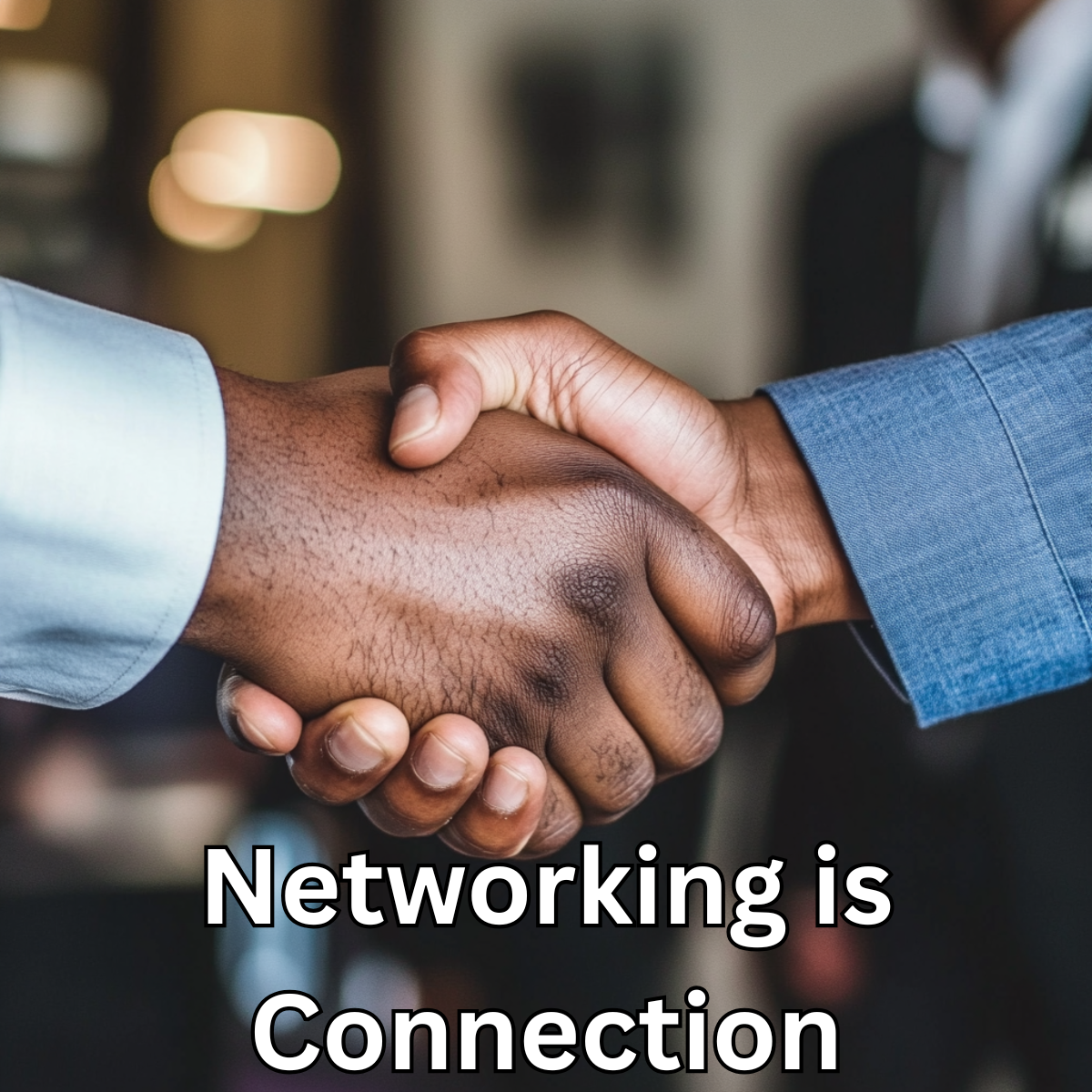
Fundamentally, networking is really about connection—real and authentic human connection.
I think networking could be defined as the process of intentionally interacting with others to share information, exchange value, offer and receive support, build trust, and possibly—perhaps, maybe—open doors to a possibility or two down your road in life.
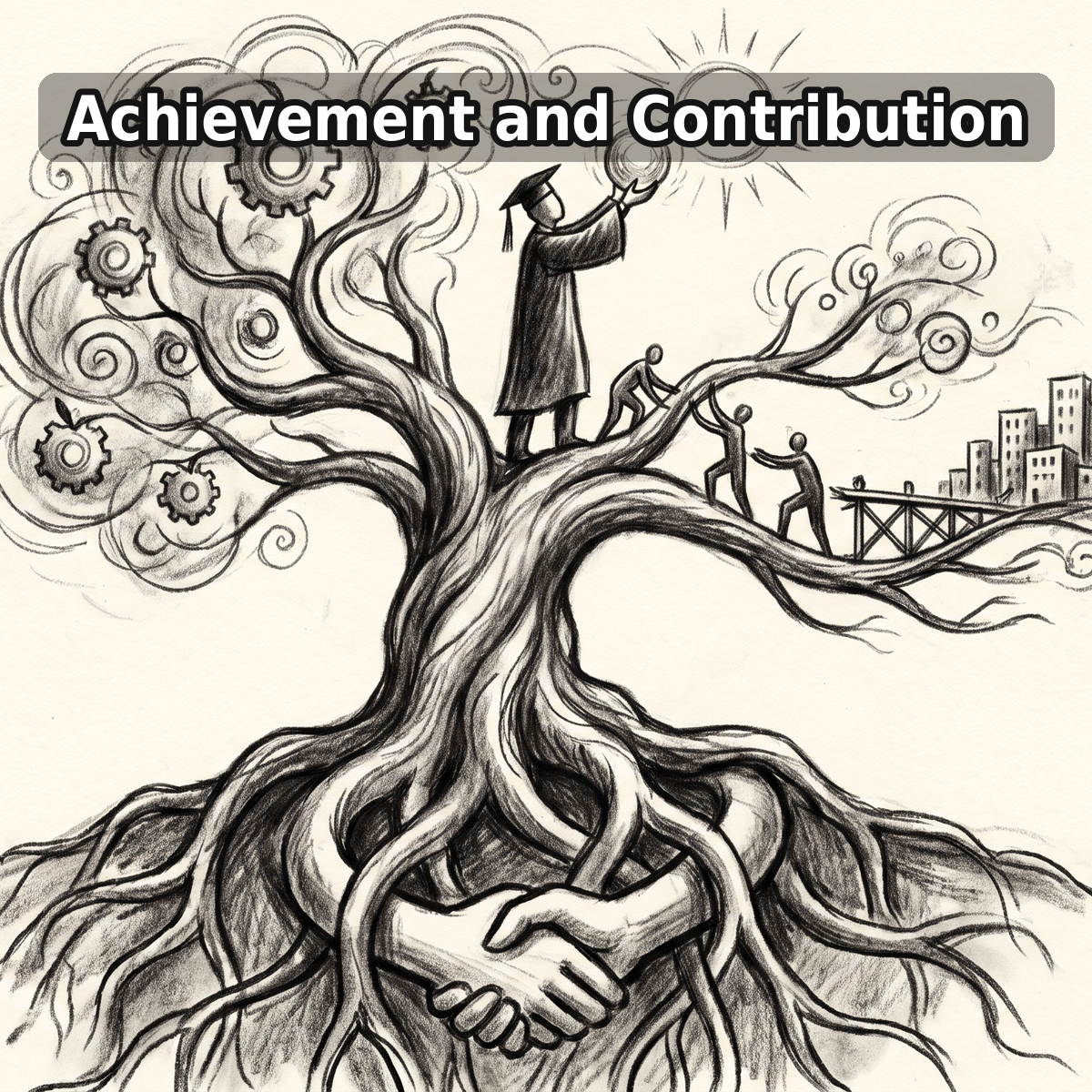
Networking has never been the source of instant results, because it is a process of cultivation, not harvesting.
The cultivation motif is the way to think about this concept. When you are in the act of cultivating, you are likely to:
Give More and Get Less
People who cultivate are constantly working at growing, improving, and helping others.
Create Relationships, Not Transactions
Networking is a relationship activity, not a transactional one. Those who view it from a transactional perspective are seeking short-term gain—and that is just not the point. Your goal is relationships, not securing the next sale.
Take the Journey, Not the Pit Stop
When you’re trying to network, connect, and build relationships, this is a journey. The business partnerships you gain often come as a result of seeds planted years before. Unfortunately, many who get involved in networking opportunities are just making a pit stop between jobs.
Visibility Is the Most Important Thing
What we often fail to realize is that success is 99% showing up. The reason we get passed over isn’t because we’re not potentially awesome—it’s because no one knows about us.
Networking, above anything else, is about gaining visibility. We must always remember: visibility trumps all other things when trying to improve your prospects.
In the end, networking isn’t a tactic—it’s a mindset.
It’s not about collecting business cards, sending mass connection requests, or chasing short-term wins. It’s about showing up consistently, offering value without expectation, and investing in real relationships over time.
When done right, networking becomes less about what you can get and more about who you can grow with. And in that space—of authenticity, generosity, and shared journey—opportunities tend to show up when you least expect them.
So, if someone tells you to “start networking,” take a pause. Don’t just start reaching out. Start showing up. Start cultivating. Start connecting.