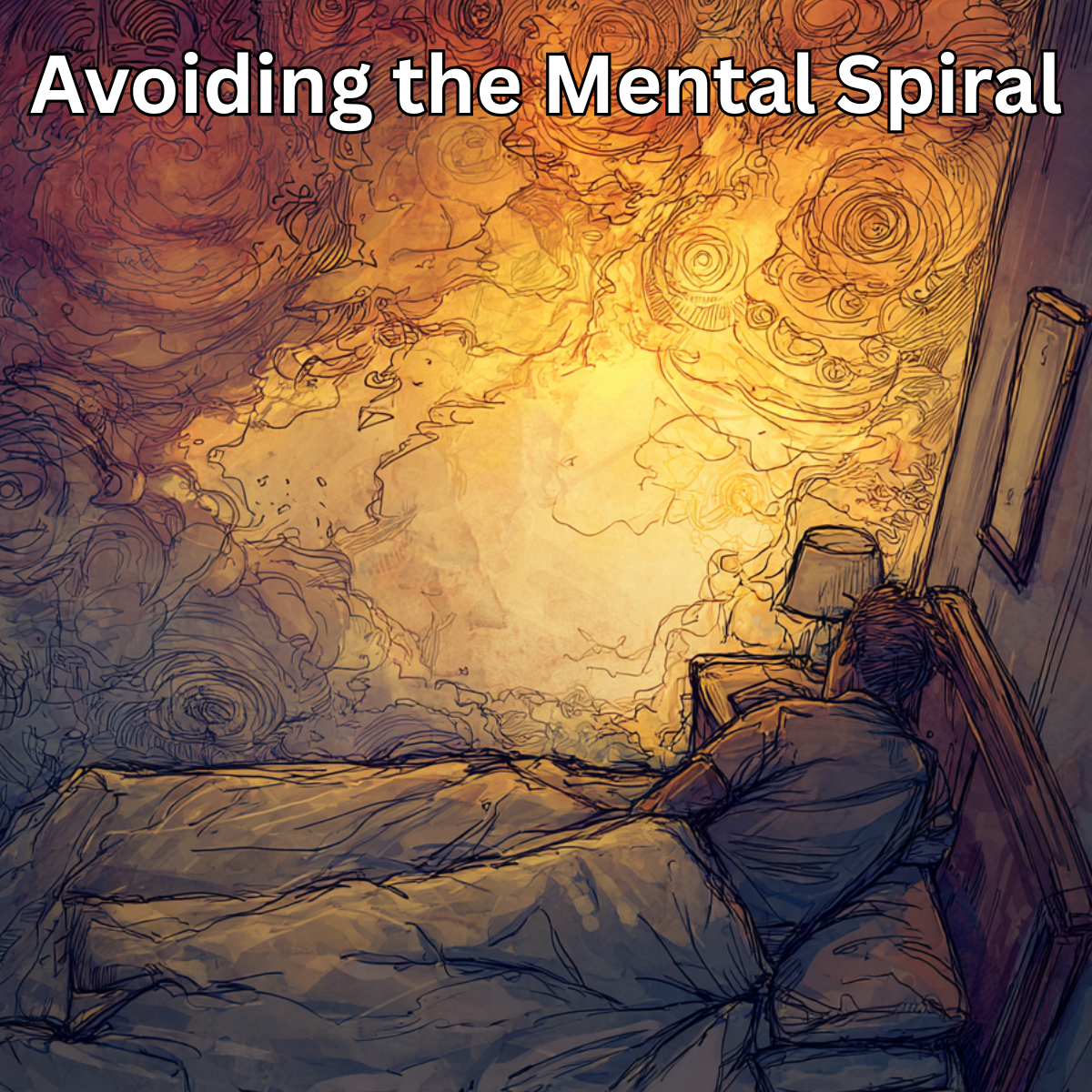
Have you ever had times when you cannot stop your mind from spiraling out of control? No matter what you do, your brain will just not stop thinking about several things you are worried about. Try as you might, you just cannot turn this off. You could do so artificially with drugs or alcohol — or perhaps both at the same time — but in lieu of those potentially destructive solutions, what can you do?
I have spent a great deal of time trying different solutions to this problem. I was born with a trait that causes me to hyper-focus on things, and although this can be a strength, it also becomes perplexing when I need to get rest or simply do not want to think about a topic for a while. One of the best solutions I have found is physical exercise, or just getting outdoors and walking around. However, that is not always an option, and sometimes your thoughts are so consuming that even exercise does not work. So what do you do?
Do you remember the book Shōgun by James Clavell? It was a massively popular novel in the mid-70s, and several mini-series were made based on it. A few years ago, I decided to listen to this book on Audible. Shōgun is a monster of a novel — almost 300,000 words. The narrative is descriptive and detailed, an amazing read. But I discovered something about the audiobook version: it has the ability to put me to sleep fast. Ralph Lister, the narrator, has an incredible voice for audio recording, so I say this with no offense — but I can barely make it through half a chapter before I am in a deep and comfortable sleep.
This led me to a discovery about my brain: it can turn off. I can have power over my worrisome thoughts, and the secret lies somewhere in what happens when I am listening to Shōgun.
After some research, I learned that when you’re lying in bed — especially in silence — your mind often races, thinking about your day, your worries, your plans. Audiobooks give your mind something simple and non-threatening to focus on. Instead of overthinking, you’re passively receiving a steady flow of calming information, which prevents mental spiraling. You can distract your mind with something that is not intrusive, does not require much processing, and provides a steady stream of detail. This is just enough to occupy your mind without engaging it so deeply that you start thinking about something else.
I also learned that rhythm plays a role in Shōgun‘s sleep-inducing effect. The narration follows a certain pace; although there are exciting and dramatic moments, the slow and predictable tone reassures my brain that there is no imminent danger. An audiobook offers just enough cognitive engagement to occupy the conscious mind without overstimulating it. Unlike a TV show or a fast-paced podcast, audiobooks — especially narrative ones — often have a slower rhythm, predictable tone, and no sudden visual stimuli, which encourages the brain to drift into drowsiness.
So why does my brain successfully tune out when listening to this recording, but not when I am just lying down? I believe it is because the brain inherently knows it can relax when it senses safety. As you listen and your mind decides that nothing urgent or threatening is happening, it begins releasing melatonin, the sleep hormone, and winding down. Essentially, it shifts from active alertness into a passive, semi-dream state — a bridge into sleep. I suppose there could even be a deep psychological connection to childhood bedtime stories, tapping into feelings of safety, comfort, and security — emotional states that naturally lead to sleep.
The parasympathetic nervous system — the part of your body that tells you it’s safe to rest and digest — becomes active, rather than the fight-or-flight system. A calm voice, steady pacing, and predictable storytelling can slow your heart rate and breathing. The calm and rhythmic voice in Shōgun seems to have this capability, preparing my body for sleep. This is why people use guided meditation methods, body scan meditations, and repetitive mantras: they create a similar effect. Some meditation teachers even suggest that sleep is a natural side effect of a relaxed mind — and that the techniques which help you “stop grasping” at thoughts allow sleep to happen without force.
If you find your mind spinning uncontrollably, consider listening to a long, slow-paced audiobook at bedtime. Find a narrator with a steady, comforting rhythm and let the gentle storytelling pull your mind away from its worries and into restful sleep.