Day 204 – Using Triggers as Anchors

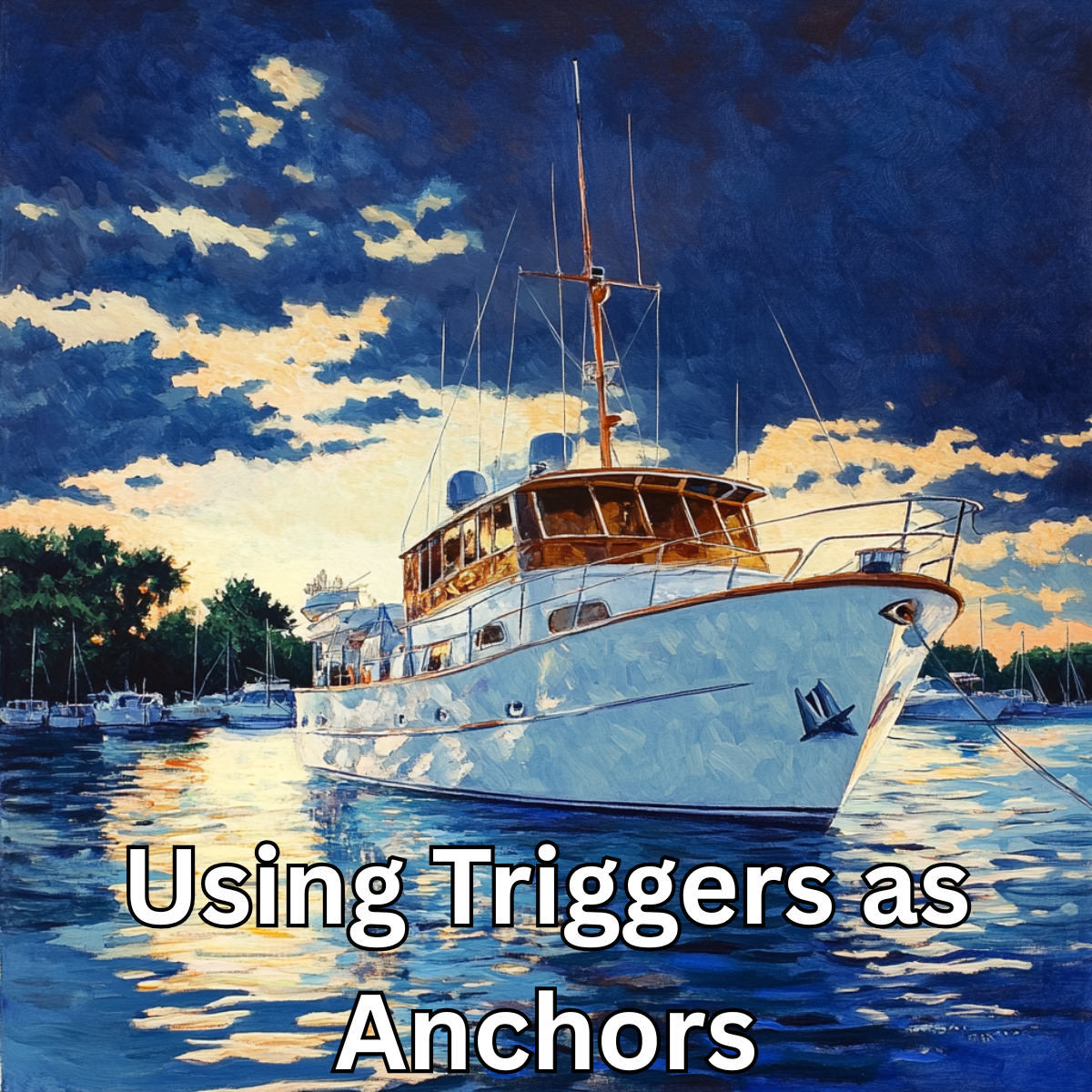
Discipline without structure is like a boat without an anchor. You may look steady for a moment, but the currents are always working against you. I remember vividly the first time I set an anchor on my boat. I thought dropping it into the water would be enough. It wasn’t. The anchor skidded across the bottom—useless—because I hadn’t learned to read the water, hadn’t felt the ground below. It took a few mistakes before I understood how to set the anchor properly. The right angle, the right bottom, the right scope of line—all of it mattered.

Habit works the same way.

We don’t form habits by accident. We need something to hold us steady when distractions start to tug. That’s what triggers are. They are the anchors we set in our day to keep us from drifting off course. You don’t just declare a new habit and hope it sticks. You drive it into place with a reliable, repeatable action that cues the behavior. Without that, the tide of daily life will pull you away—guaranteed.

For me, a trigger is something as simple as the sound of my morning alarm. It doesn’t invite negotiation. It marks the beginning of a sequence: rise, pray, record my daily commitment. No questions, no wavering. The behavior follows the trigger like the tide follows the moon.

The key is to attach your habit to something already present in your life. Something solid. Something that happens whether you feel like it or not. If you always brush your teeth, let that be your signal to stretch. If you always set the kettle on the stove, let that mark the start of your reading time. The specific habit is less important than the consistency of the trigger.

People often think they fail at habit because they lack willpower. But I’ve learned that willpower is seasonal—strong some days, absent others. A well-set trigger, on the other hand, doesn’t depend on your mood. It’s there whether you’re inspired or exhausted. And that’s the secret. We don’t need more drive. We need more anchors.

So the next time you set out to change something—ask yourself, where’s your anchor? Is it holding, or are you just drifting?

Set your trigger. Trust it. Then hold the line.
Subscribe
Notify of
guest
0 Comments
Inline Feedbacks
View all comments
Share the Post:

Recent Blogs

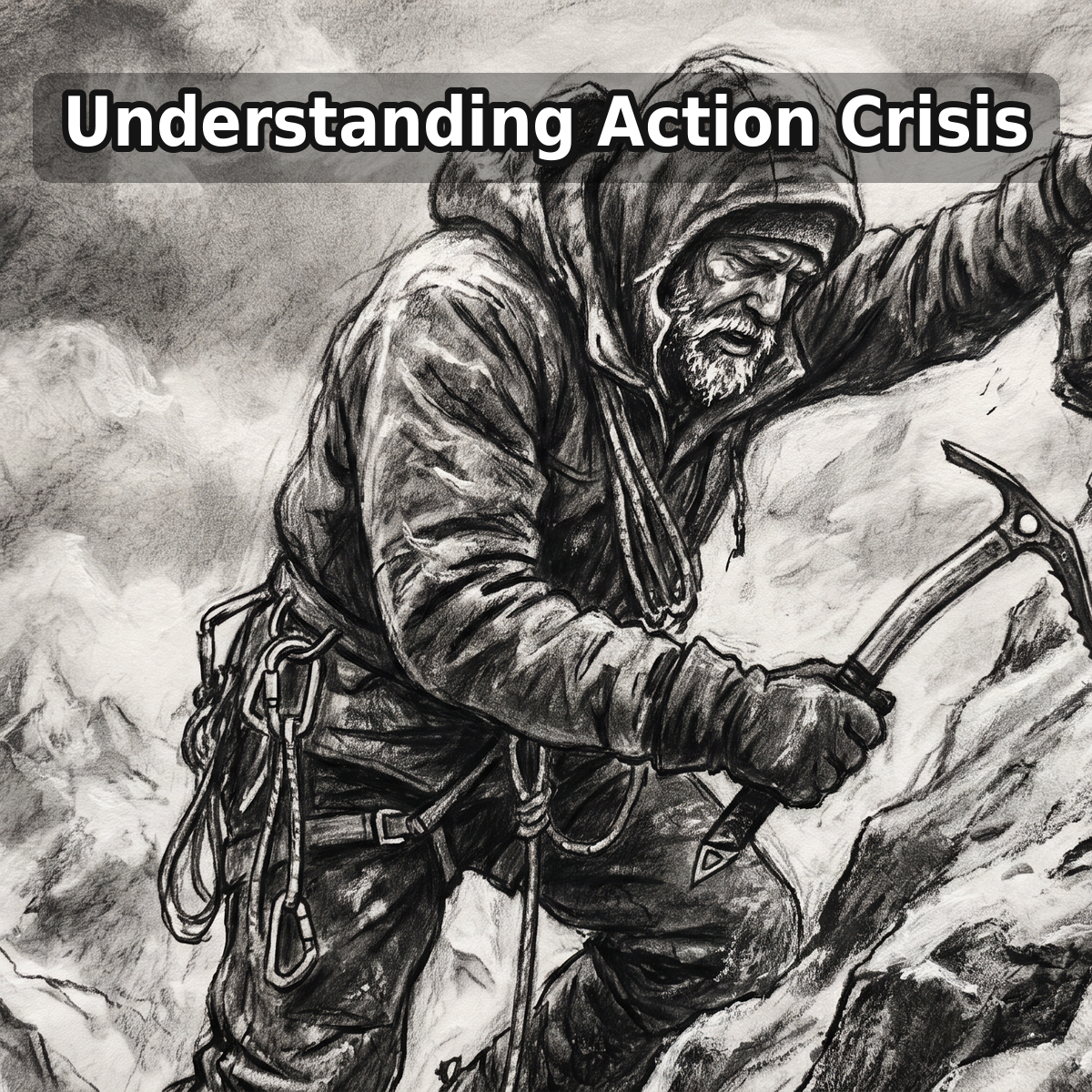
Day 3,238 – Understanding Action Crisis

This article explores the psychological process of an “action crisis,” the moment when one shifts from believing they can accomplish something to recognizing they cannot. It delves into the journey of goal disengagement, highlighting the importance of knowing when to persist and when to let go, using examples like mountaineer Rob Hall.

Read More

Day 3,237 – Jedi Physiological Tricks

This article explores “Jedi Physiological Tricks”—simple, effective methods to influence your body and mind for better well-being. From using a warm blanket to soothe a distressed pet (or yourself) to leveraging bright light for morning alertness, these techniques tap into fundamental physiological responses. The author shares personal anecdotes, including calming his dog with a heated blanket and using a UV light to kickstart his day, highlighting how understanding and gently guiding your body’s natural systems can lead to improved comfort, sleep, and mental state.

Read More

Day 3,236 – Separating the Dream from The Decision

This article explores the phenomenon of becoming attached to an idea or dream, even when reality reveals it to be a bad fit. It uses the example of buying a car to illustrate how individuals can defend a flawed vision out of fear of losing the imagined future, rather than pursuing what is genuinely beneficial. The core message emphasizes the importance of separating the dream from the decision to protect one’s true goals.

Read More

Day 3,235 – Learning to Rest

The author reflects on the challenge of truly resting and recovering, often falling into the trap of using rest time for other productive tasks. They realize that associating satisfaction with accomplishment hinders their ability to genuinely rest, and propose that rest should be viewed as an intentional act of recovery, similar to an athlete’s training regimen. The key is to become as disciplined about resting as about working, scheduling and protecting recovery time.

Read More
0
Would love your thoughts, please comment.x
()
x