Day 210 – When Persistence Becomes Stubborn

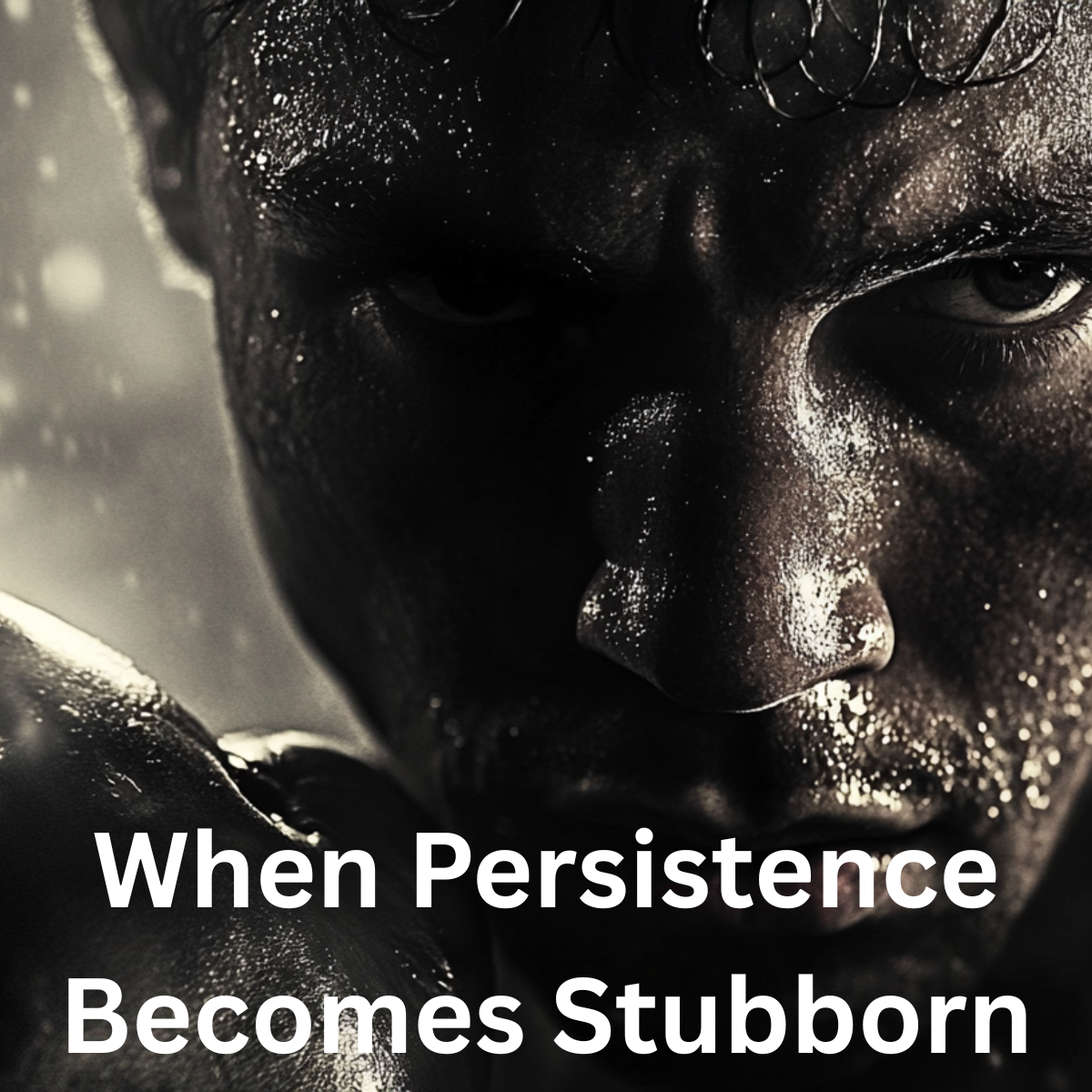
We are told that we need to be more persistent. “Persistence pays off,” we are reminded. We hear stories of the dogged determination of successful people who pursued a path and, despite countless setbacks, ultimately prevailed because they kept up the pursuit. The heroes of our stories and films triumph after pushing through against overwhelming odds—the underdog boxer who gets pummeled nearly to death, rising from the canvas, continuing to fight despite the best advice to throw in the towel.

Yet this narrative leaves us with a profound dilemma: When should we give up?

Persistence is undeniably valuable. It fuels innovation, progress, and personal growth. But equally essential—and far less celebrated—is the wisdom to know when persistence becomes stubbornness, when resilience gives way to futility. Recognizing this boundary is neither simple nor straightforward, yet it is crucial.

There are moments when continuing on a path leads not to triumph, but to deeper frustration, wasted energy, and missed opportunities elsewhere. Perhaps we cling to failing ventures, toxic relationships, or unfulfilling careers because we have internalized the mantra that persistence always pays off. In truth, sometimes persistence costs us dearly.

Determining when to give up requires courage, humility, and a clear-eyed assessment of reality. It demands introspection: Are we still driven by passion and purpose, or merely by pride or fear of admitting defeat? Are there realistic signs of progress, or are we entrenched in diminishing returns?

Giving up does not inherently mean failure; it can mean wisdom, adaptability, and maturity. True success often involves knowing when to pivot, when to release old dreams to make space for new possibilities, and when to prioritize emotional and mental well-being over relentless pursuit.

Perhaps we should redefine our heroes, not only by their victories but by their discernment. Sometimes, the bravest choice is knowing when to let go.

Subscribe
Notify of
guest
0 Comments
Inline Feedbacks
View all comments
Share the Post:

Recent Blogs

Day 332 – We Need to Talk More

A recent study indicates a decline in daily conversations, particularly among those under 25. This trend is concerning because conversation is crucial for cognitive processing, reality calibration, emotional regulation, relationship building, identity formation, and the development of collective intelligence. Consuming language through media is not a substitute for active conversational engagement.

Read More

Day 331 – Are You in Control?

Humans have a unique ability to cope with uncertainty by creating an illusion of control, often attributing cause and effect to unrelated actions. This phenomenon, explored through examples like superstitions and personal anecdotes, suggests that while we may not have complete control over our environments, our brains are wired to find patterns and connections, even if they are not always accurate. This ability to fool ourselves into believing we have more control than we do can be beneficial, but it’s important to differentiate between actual impact and coincidental association.

Read More

Day 330 – Cognitive Magic Pills

The article discusses the phenomenon of “cognitive magic pills,” which are alluring solutions to problems often peddled on social media. It uses the example of cortisol being rebranded as the “stress hormone” to illustrate how these concepts gain credibility and lead people to believe in quick fixes for complex issues. The author encourages readers to be critical of such trends and to focus on understanding their own bodies and minds rather than seeking easy solutions.

Read More

Day 329 – Art is Capturing the Form

The author explores the concept of art through the lens of form and function, using two tape measures as an analogy. They then delve into Charles Ross’s Star Axis project, which aims to capture the journey of the North Star, suggesting it as a powerful example of art capturing form and connecting humanity across time.

Read More
0
Would love your thoughts, please comment.x
()
x