I was at a dinner meeting today where I overheard someone poking fun at the creator of a YouTube channel. This is a target-rich environment, for sure, and the jokes being made were funny. However, on my drive home, I started thinking this through. What is social media, really?
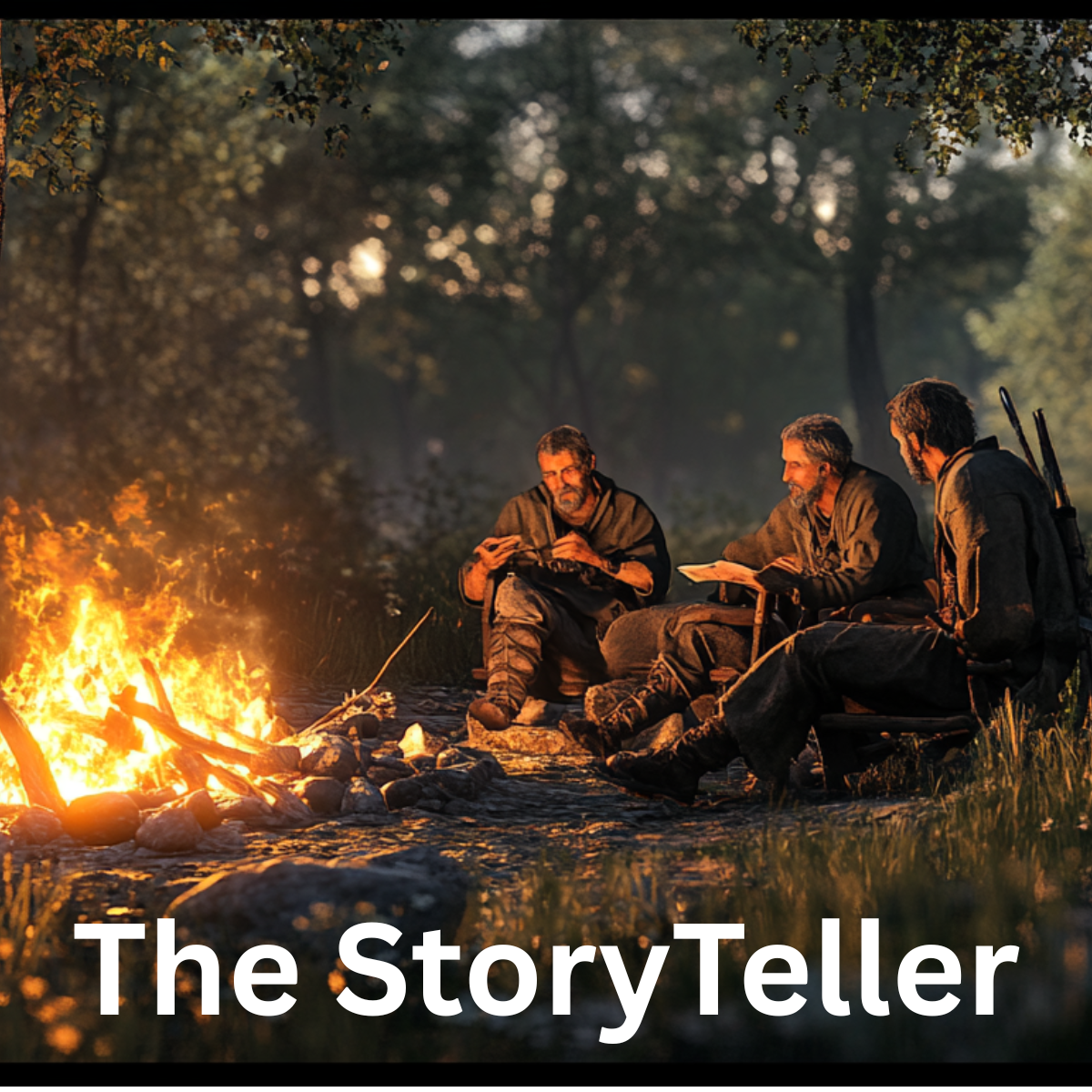
It occurred to me that it’s nothing more than what humans have been doing since the dawn of time — telling each other stories. The YouTube, TikTok, and Instagram personalities of today are simply modern versions of the person sitting around a village fire, relating the details of a successful hunt. We have been telling each other stories from the first day of human existence, whenever that was.
Storytelling predates writing. Long before the invention of alphabets or papyrus, humans gathered around fires and shared tales orally. Storytelling served the same purpose then that it does today: preserving knowledge for the next generation. Out of necessity, humans have always needed to share the details of their discoveries with others so that knowledge could spread and survival could improve. You could argue that the storyteller was perhaps the most important role in a human community — and perhaps still is.
Every known human culture, no matter how isolated, has developed a tradition of storytelling — myths, epics, folktales, parables, and songs. Social media today is just an extension of this. Except now, of course, it comes with relentless commercial advertisements and funny “thug life” cat videos. But at its core, storytelling has always been the way we transfer values, reinforce social norms, establish cultural identity, and provide entertainment.
Stories allow us to give structure to the world. Many psychologists believe that stories serve a primary function in early cognitive development. We frame life events into narratives we’ve heard so that we can make sense of our experiences. Through this, we gain cognitive recognition and ultimately become more aware and intelligent.
You could argue that stories — and storytelling — are what made us human and what have continually strengthened human conscious thought. Storytelling is not just an art — it is a cognitive technology that helped humans survive, connect, and evolve. The ancient art of storytelling remains one of our most powerful tools for teaching, inspiring, persuading, and uniting.
So, back to the group of people making fun of the YouTube personality. I agreed with them that the particular subject seemed ridiculous to us professional adults. The channel was dedicated to fans of anime gaming. Yes, this is an entire genre of video games, and there is a significant and massive following of people who consume this content. However — is this really that ridiculous?
Anime might be one of the purest forms of modern storytelling we have today. The fact that there are fans who want to share observations, stories, and theories about their favorite game should not be surprising. After all, this is what humans do.
This thought led me to a simple conclusion: complaining about what stories other humans are telling is like being upset that the wind is blowing. Humans telling stories — through various methods and media — is and will always be a dominant force in everything we do. It’s no wonder we have ever-expanding social media platforms, streaming services, communication apps, gaming communities, and every other imaginable form of entertainment.
There is only one realistic option if you don’t like or appreciate the stories your fellow humans are sharing:
Step up to the campfire and share your story.