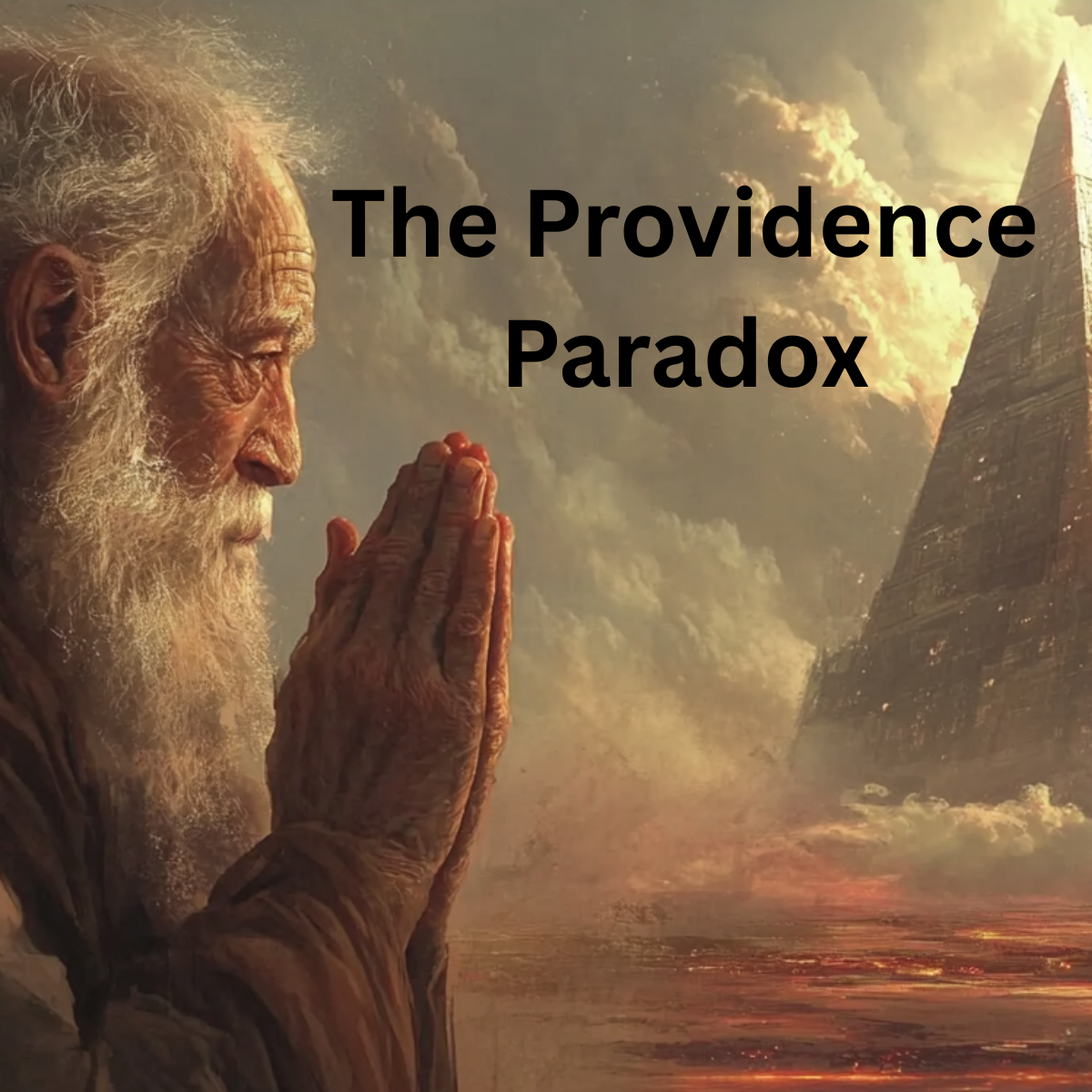
When humans began to sense that they were free, or could be free to choose for themselves, we ran headlong into a theological problem. There isn’t a single religious tradition that hasn’t encountered this issue, and all traditions have attempted to address it in one way or another. I raise this topic not for religious purposes, but rather to explore an aspect of the human dynamic that is crucial to our existence and our ability to tolerate others. You see, we are simultaneously compelled to desire two opposing things, creating a perpetual paradox: the juxtaposition between free will and determinism.
As a method of social control, it has traditionally been convenient to remove human agency and attribute all responsibility for events in our lives to a deity. In the past, this was an effective way to exert influence over others. Today, we call this concept providence—the belief in divine guidance, oversight, or protective care from a God or gods. Every religious tradition attempts to define how involved or distant a deity is in our daily lives and decision-making processes. Most religions feature various sects arguing for greater or lesser divine influence, with perspectives shifting over time in response to scientific advancement and public sentiment.
Providence raises important questions about human agency. If everything is guided by a higher power, what room remains for personal choice? This is the profound theological question that many thinkers far more capable than I have debated for centuries. Equally contentious is the issue of suffering, injustice, and what we commonly term “evil.” If benevolent divine guidance exists, why does evil persist? Historically, providence has been employed to explain or justify historical outcomes, societal shifts, or personal circumstances, reinforcing a sense of meaning and order in human experiences.
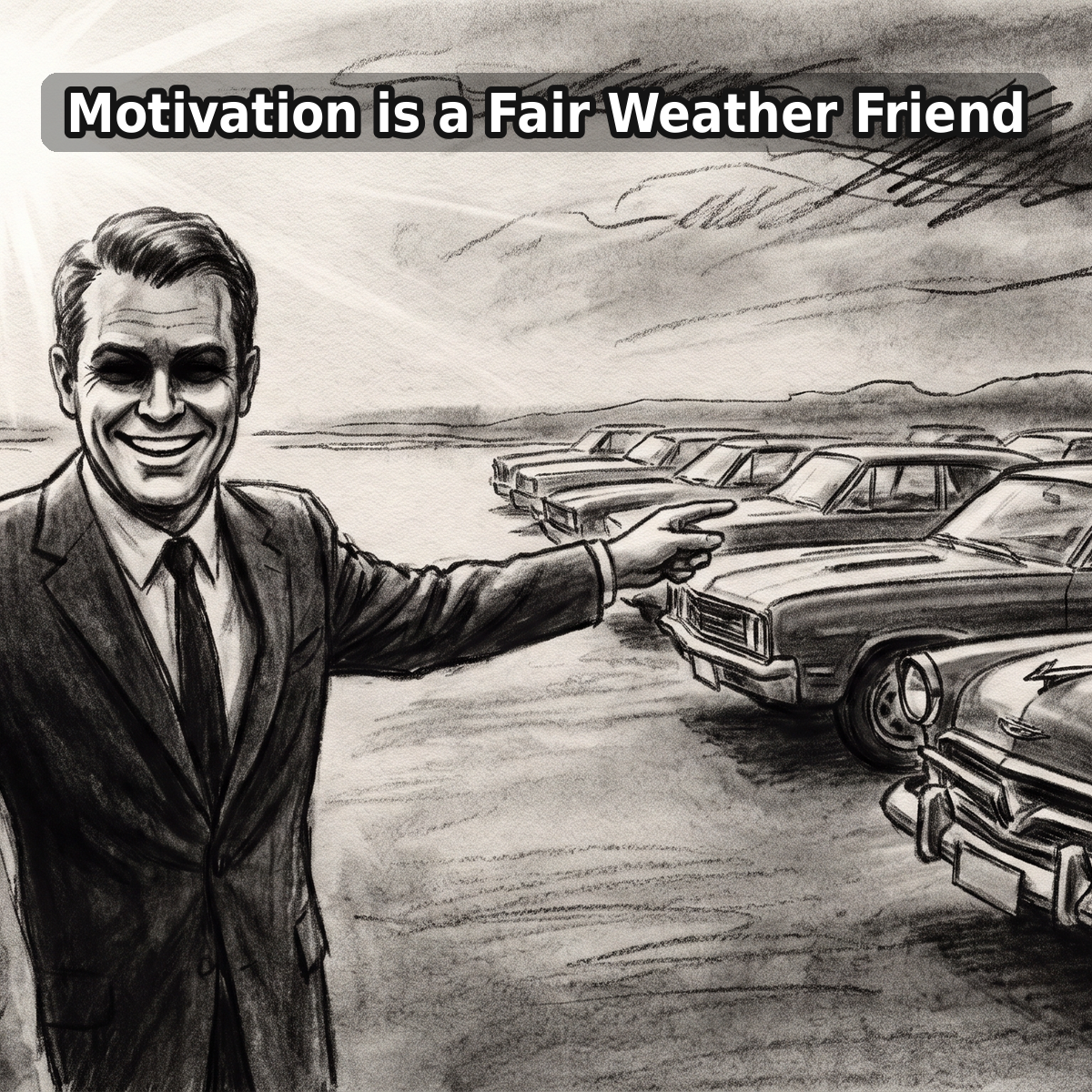
Personally, I have always leaned toward the free will side of this equation and am generally content with this stance—when things are going well. When I make sound decisions and appreciate the outcomes, I naturally want to believe I am in charge and that I freely make my choices. Conversely, when things go poorly, I hesitate to acknowledge my poor decision-making and instead attribute responsibility to providence, suggesting perhaps that “God is teaching me a lesson.”
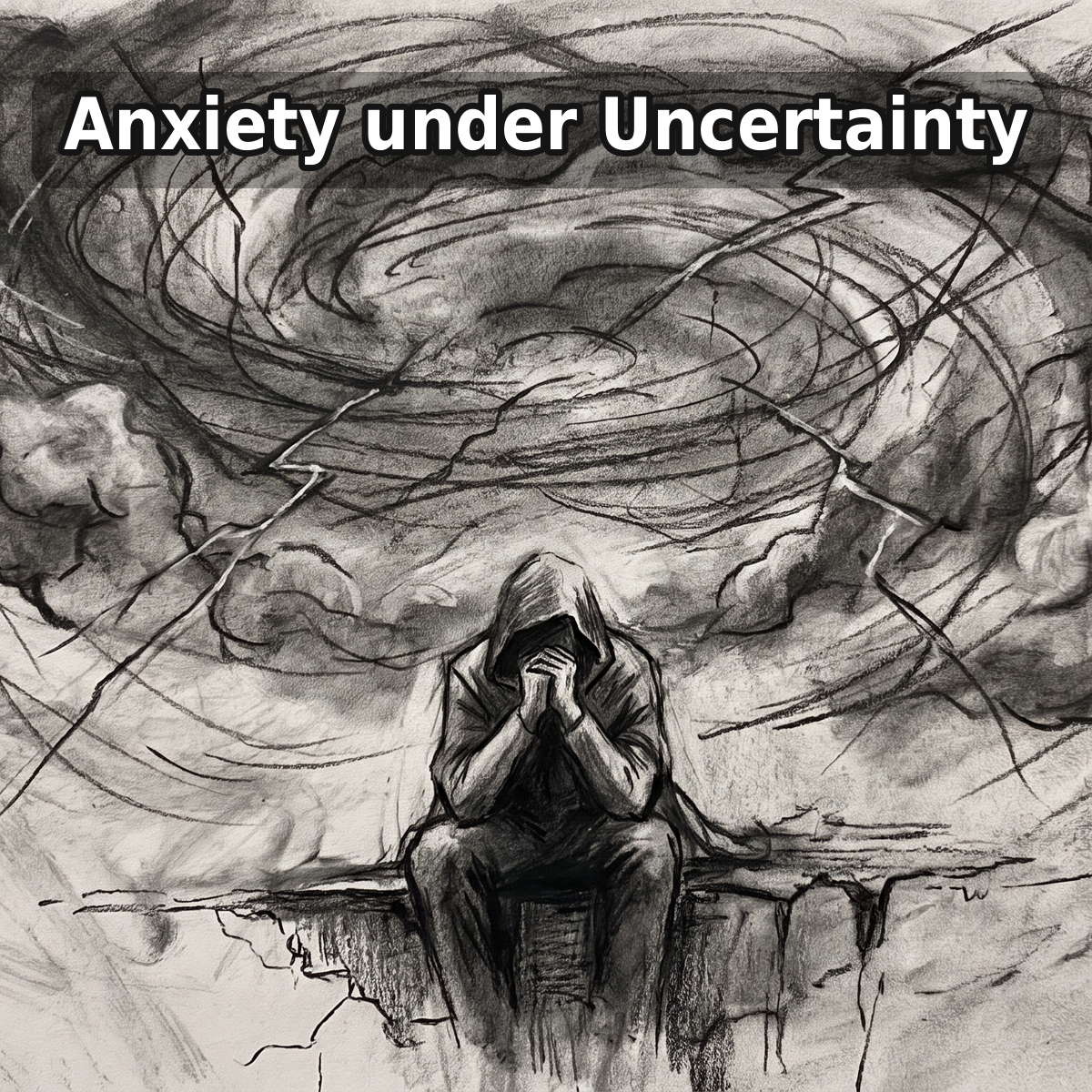
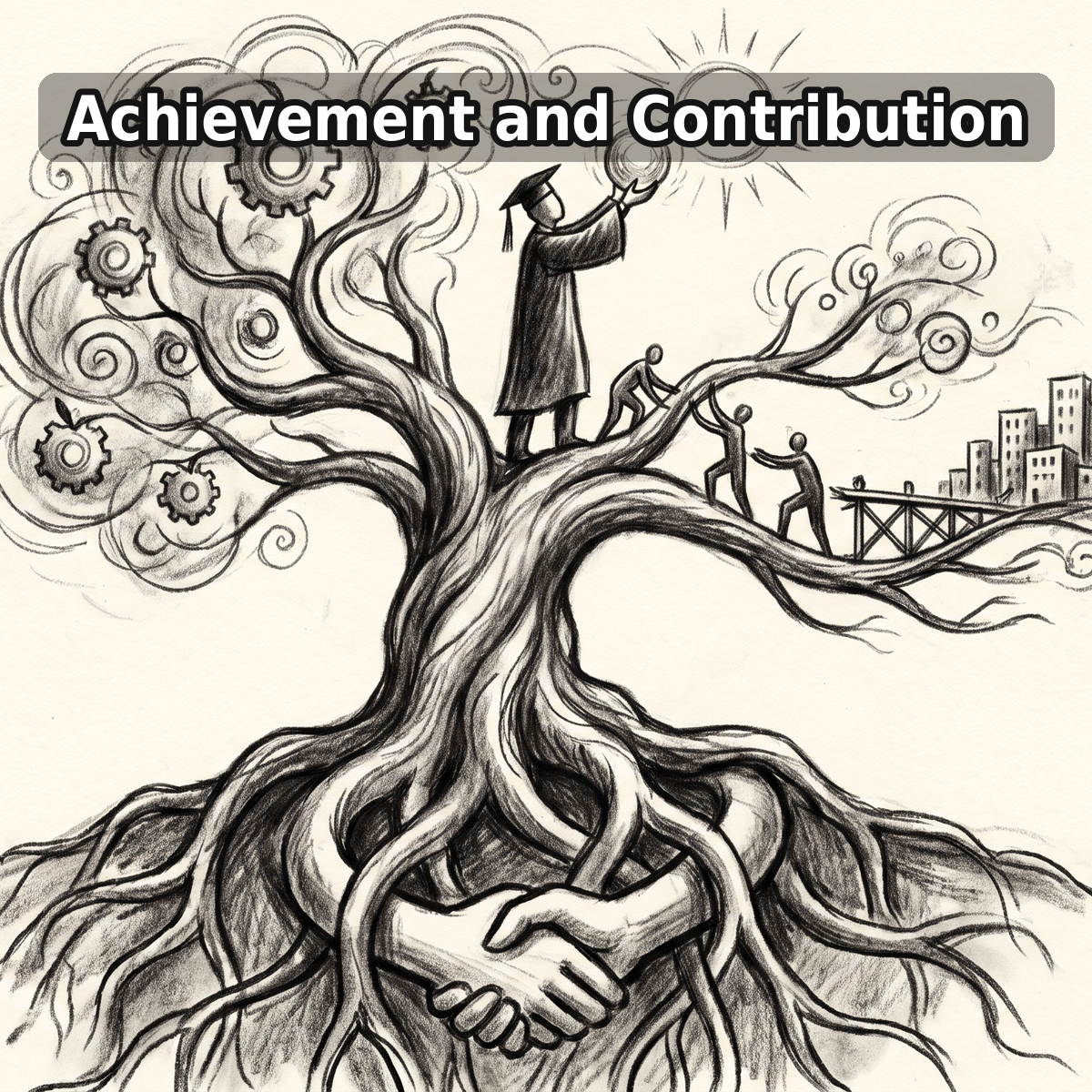
Providence can indeed foster hope and resilience when facing adversity. The belief that God may bless or support you can be profoundly comforting. Likewise, such a belief can cultivate humility during times of success by attributing achievements to something much greater than oneself. In situations of uncertainty or uncontrollable outcomes, belief in divine providence provides a psychological escape route, helping us avoid despair. However, excessive reliance on providence can discourage necessary action and hinder personal accountability.
Isn’t this fascinating? Belief in divinity can elevate us, enabling us to overcome challenging circumstances. Conversely, it can also become a crutch that encourages evasion of responsibility and diminishes initiative. Our greatest coping mechanism can simultaneously be our most significant weakness—fascinating, indeed.
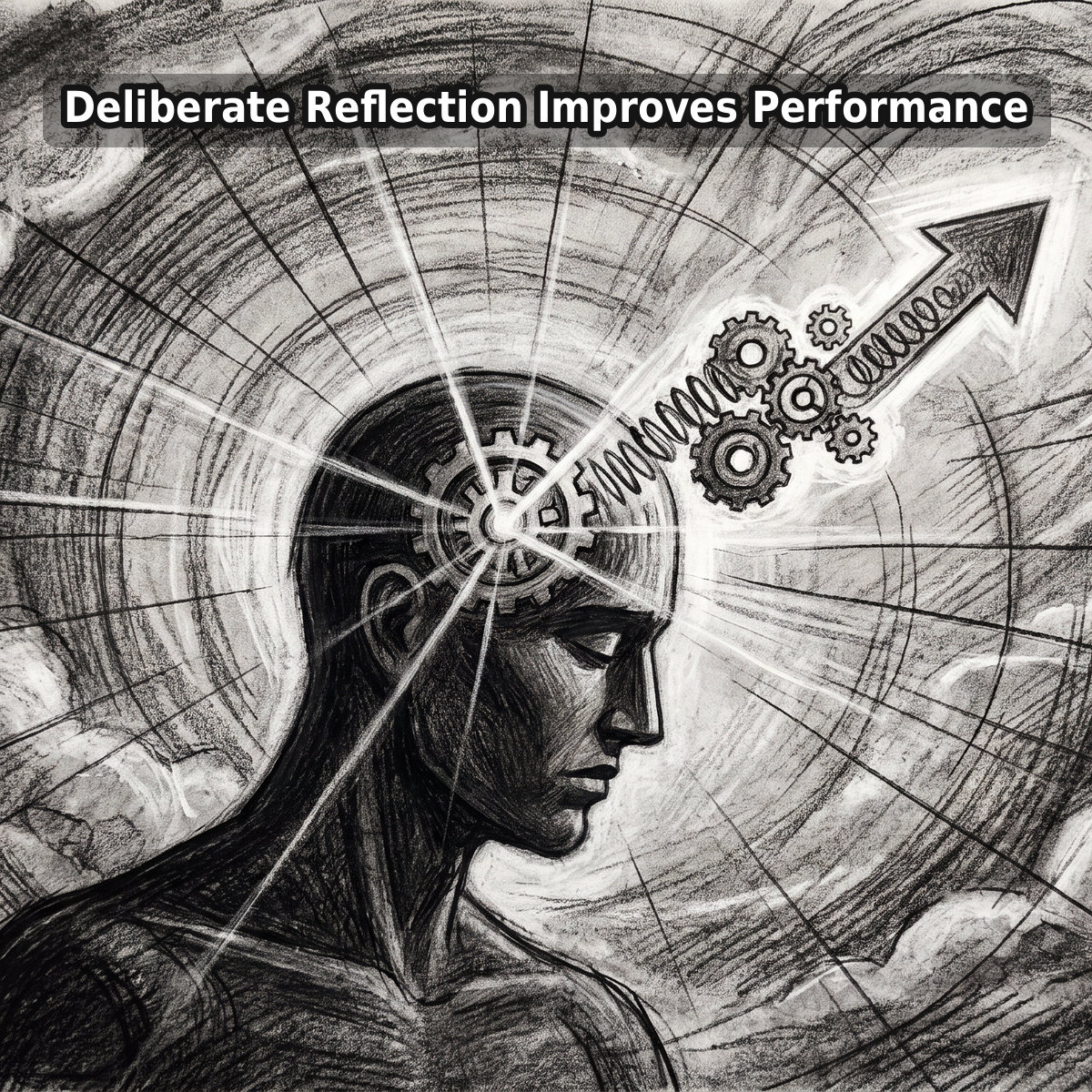
I mention this because I’ve observed a trend in daily conversations. On one hand, people seem to be abandoning acknowledgment of God’s hand in their lives; on the other, they often seek a divine or mysterious cause to blame when things go wrong. I sometimes wonder if we pause long enough to consider our actual stance on divine providence. Providence remains a profound and deeply personal concept, prompting introspection on purpose, meaning, and the interplay between human agency and the forces—divine or otherwise—that shape our lives.
We might want to pause and ask ourselves:
- What exactly is your view on providence?
- Does the divine play a role in your life?
- How might embracing or rejecting providence influence your responses to challenges and successes?
- Could your beliefs about providence be causing you to avoid responsibility for your actions?
- How can the concept of providence serve as a tool for resilience, gratitude, or humility in your life?