When I was a young man, I spent countless nights hunched over a pool table, playing nine ball deep into the early morning hours. I didn’t know much about the technical aspects of the game—didn’t read any books on angles, spin, or cue ball control. I just played. And somehow, I got good. Really good. My friends noticed it. Higher-level players started showing up just to challenge me. What I had was a natural feel, a sense of rhythm and instinct that let me predict shots, sink balls, and control the table without needing to think too hard about it. I didn’t understand how I knew what to do—I just did. And it worked. Until it didn’t.
Eventually, I met players whose skill ran deeper. They didn’t just feel the game—they had studied it. I could hold my own at first, but over time, I started losing. I realized that if I wanted to keep up, I needed to improve. So I began to study. I learned about cue ball placement, spin control, shot angles—everything I had ignored before. But a strange thing happened: the more I learned, the worse I played. I started losing games I would have easily won before. What was going on?
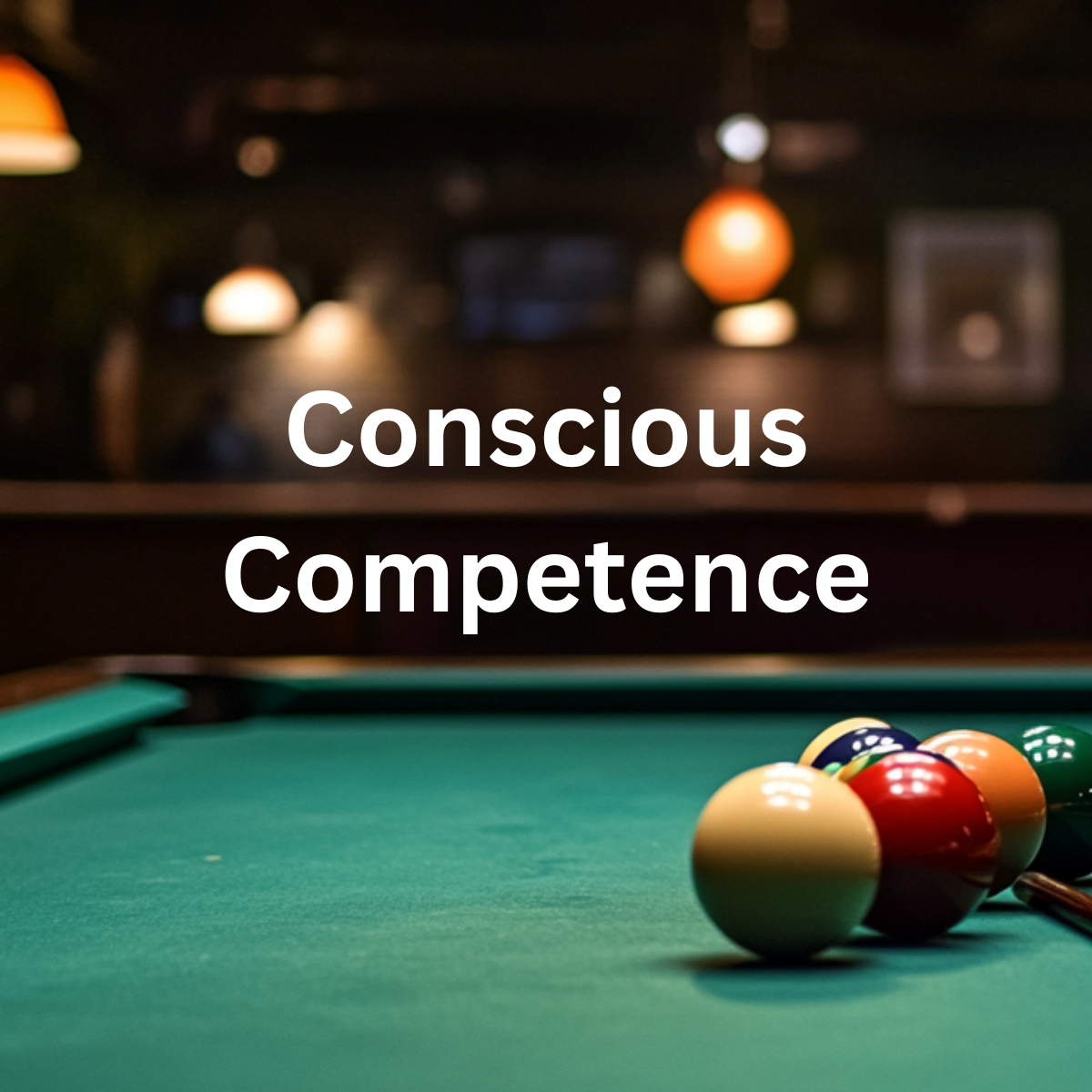
This is something psychologists call the “conscious competence” stage of learning. In the beginning, when you’ve practiced something enough, your body can perform it naturally, without requiring your active thought. This is unconscious competence. You’re in the zone. Movements are smooth, reactions are intuitive, and everything just flows. In pool, this meant I could walk up to the table and immediately sense what shot to take next. I wasn’t planning—I was reacting, instinctively, fluidly.
But when you shift to conscious learning—when you deliberately start practicing new techniques and trying to correct old habits—something changes. You begin thinking about every move. You’re no longer playing with intuition; you’re executing steps with intention. And that act of thinking, of analyzing, slows you down. Your brain is trying to graft new understanding onto old patterns, and it throws off your game. It’s like learning how to walk again, but now you’re aware of every muscle you’re using.
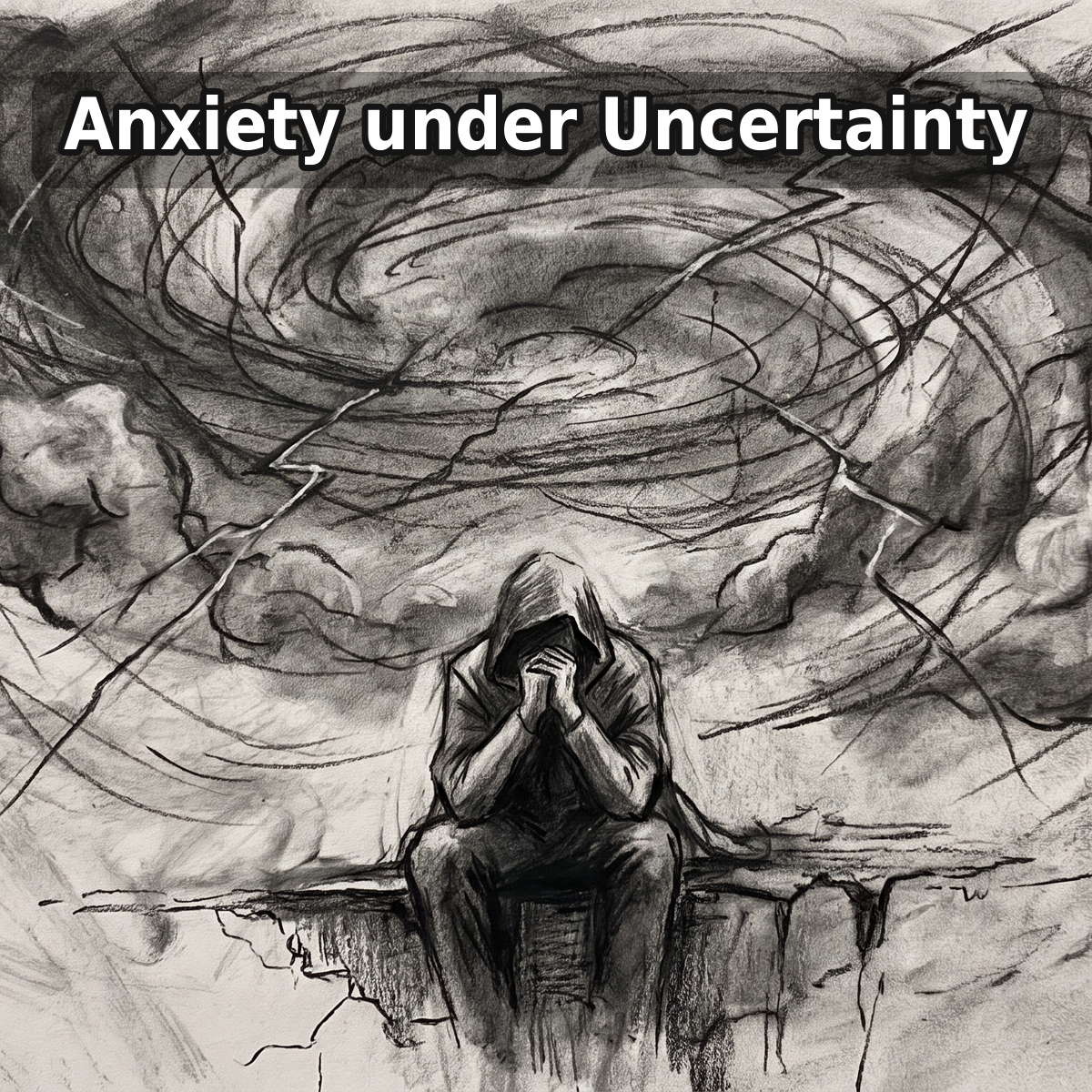
This is where the regression happens. That smooth, effortless skill you once had becomes stiff and awkward. You start overthinking, hesitating, and second-guessing. Simple actions feel complicated. You may even start to resent the process, because you used to be good. And now, after trying to improve, you’re suddenly worse. That’s frustrating. It’s demoralizing. But it’s also completely normal.
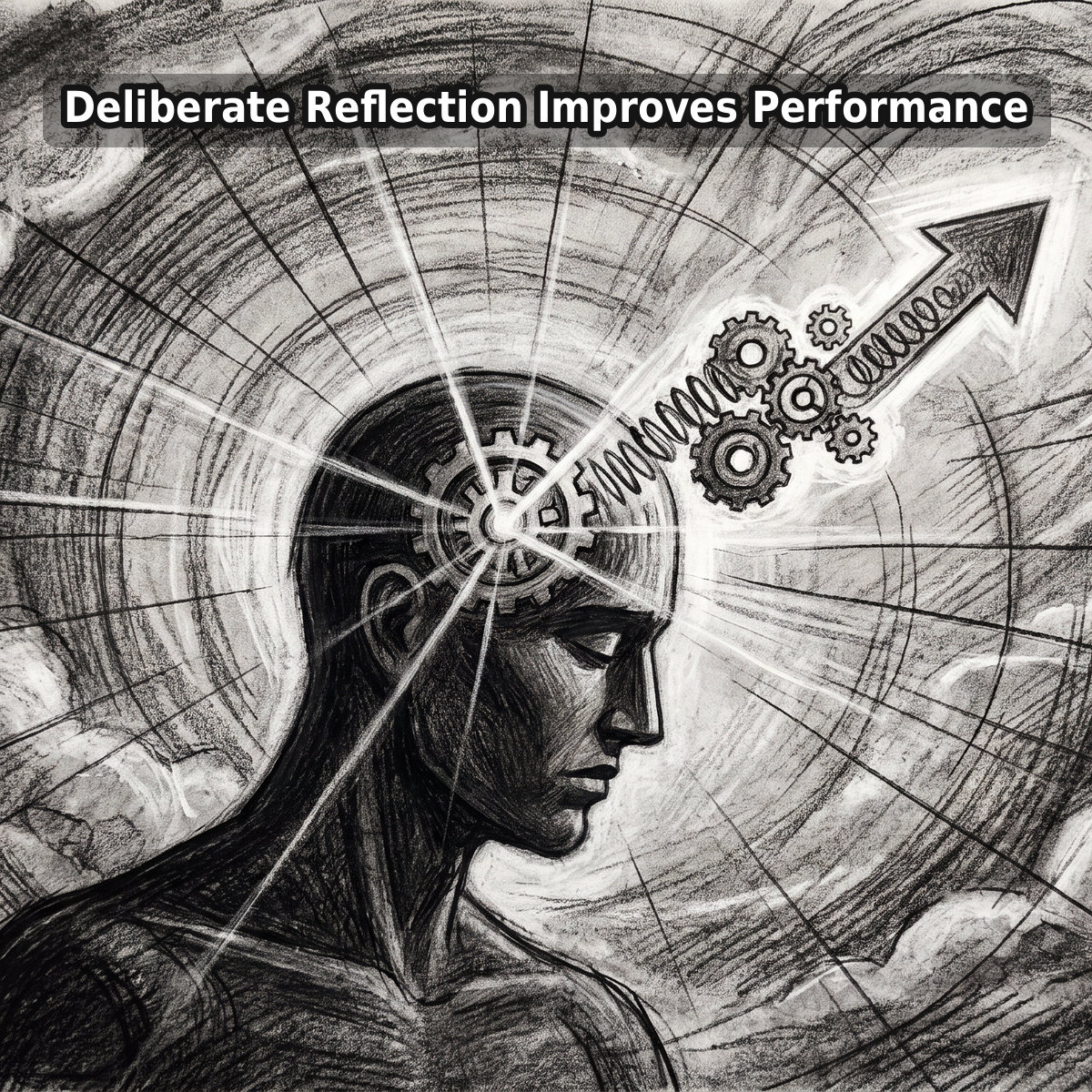
What most people don’t realize—or perhaps don’t have the patience for—is that this regression is a necessary part of real growth. You are in the process of reintegration. This means you’re working toward a new level of unconscious competence—a deeper, more refined version of that natural feel you once had. You are building a better muscle memory, one that incorporates both your intuitive instincts and your newly acquired knowledge. And when that process completes, your performance doesn’t just return—it surpasses what it used to be.
This principle applies far beyond the pool table. It’s true in golf, chess, poker—any skill-based pursuit. And it’s just as true in professional domains like public speaking, leadership, negotiation, or even learning how to listen better in a conversation. The key is to expect this regression. Accept it. See it for what it really is: a signal that you’re on the edge of a breakthrough.
Here are three practical recommendations to navigate this:
- Expect and Accept Temporary Setbacks: Understand that a dip in performance is part of the process. Don’t let early failures convince you to abandon the path. Keep going.
- Balance Practice Types: Alternate between structured, deliberate practice (where you’re applying new skills consciously) and relaxed, intuitive sessions (where you just let yourself play or perform).
- Trust the Process: Discomfort is a sign that you are growing. It’s not a failure; it’s the soil where future skill mastery takes root. Keep pushing through, and your natural feel will return—this time, sharper and stronger than ever.
The real challenge isn’t mastering a skill—it’s surviving the moment when your previous mastery no longer serves you. But if you stay committed, the regression will become the road to something greater.