Letting go of the inbox as a measure of professionalism
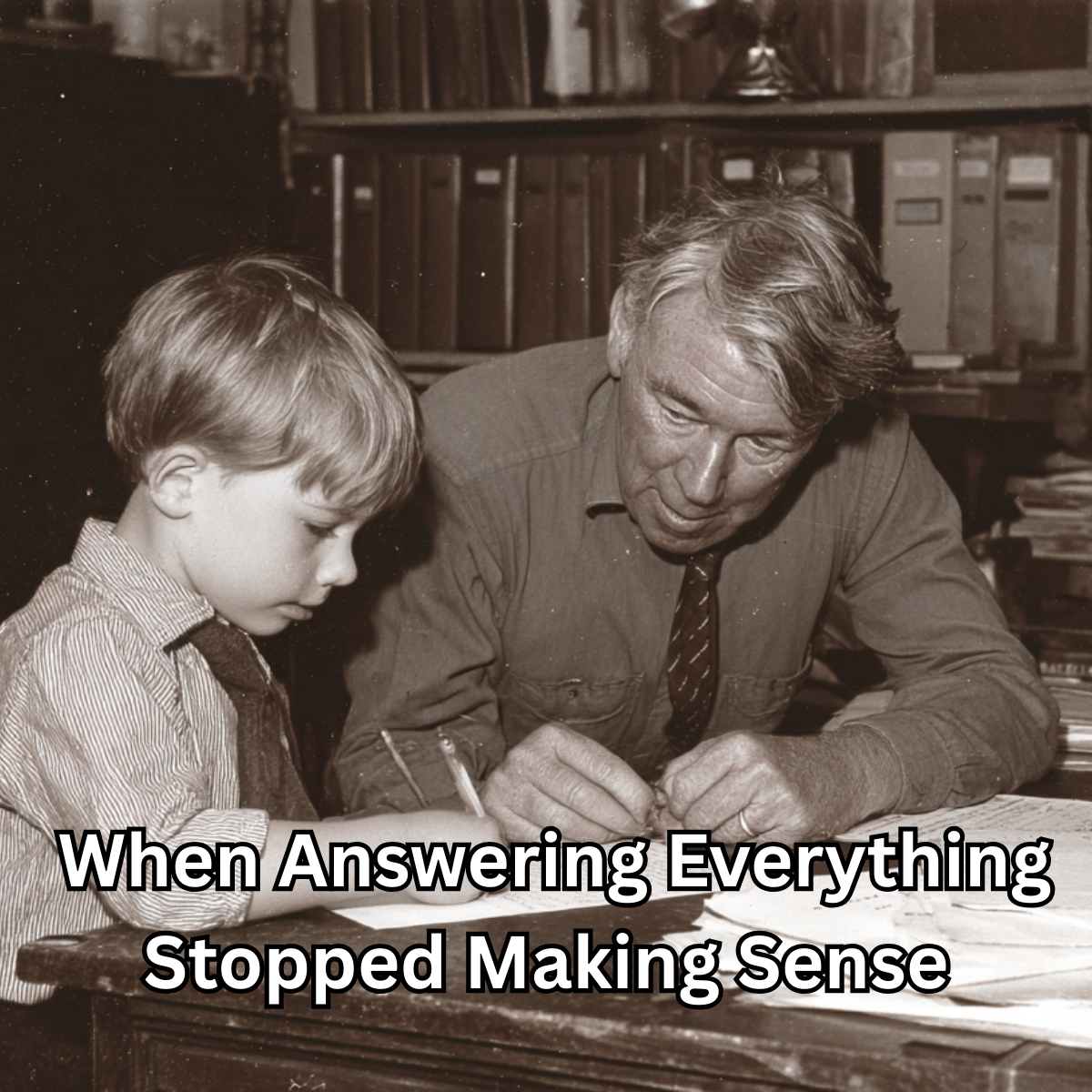
When I was young, I spent a lot of time standing next to my grandfather while he worked. Sometimes it was at his home office, sometimes at his office at work. Mostly I was probably in the way. But I absorbed something that stuck.
My grandfather answered every piece of correspondence. Thoughtfully. Often by hand. Every message deserved courtesy, professionalism, and, when earned, a fair amount of dripping sarcasm. To him, responding was proof that you were on top of things. It was how you showed you were a professional.
That ethic carried forward. My father’s generation and mine inherited it almost intact. Answer everything. Review everything. Process what comes in and give it the attention it deserves. When communication was mostly physical mail, that worked. When email arrived, then voicemail, then fax machines spitting paper all over the office, it became harder. Still, the rule held. Answer everything.
To cope, entire industries appeared. I remember the Franklin organization running seminars on how to stay on top of correspondence. Delegation became a sport. Business turned into a contest to see who could move items off their task list and onto someone else’s with the most efficiency. Then came the PDA. Then BlackBerry. Tasks started flying around offices like penny stocks. David Allen wrote Getting Things Done. Touch things only once, but still touch everything. Process everything.
As messages multiplied, that mindset got more intense. The zero inbox crowd is alive and well. Consolidate all inputs. Route everything. Spend your days moving messages from one place to another. Somewhere along the way, we stopped thinking and started routing. That is part of why we built large language models: to help us process even more messages, even faster.
I remember the moment it broke for me. I was sitting at my computer, staring at ten email inboxes. Add in text messages, social media messages, and old-fashioned mail stacking up, and it hit me. The juice was no longer worth the squeeze. My grandfather’s rule, answer everything, no longer worked.
So I did something that felt reckless. Almost sinful. I opened Outlook, clicked the inbox, hit CTRL+A, and chose Delete. Seventeen thousand emails started disappearing. Panic rose in my chest. Fear followed close behind. Then it was gone. A blank inbox. Nothing to respond to. Nothing to route. Nothing to delegate. For a moment, I had no idea what to do with myself.
What came next was simple. Every morning, I gave the inbox twenty minutes. Review what was there. If processing took longer than that, delete everything and move on. The most important lesson was this. The important things come back. The rest fades. Other router bots will bring it to your attention again if it truly matters. If you see it again and have time, respond. If not, delete it and return to your real work.
This is harder than it sounds. The belief that we must answer everything runs deep. It has been baked into us for generations. What makes me laugh is how we judge people. Someone misses an email, and we call them a bad worker, even if their actual work is strong. We ignore what they produce and fixate on what they did not answer.
That is a tyranny worth ending. The inbox should not run our lives or set our priorities. Something routed to me by another person is not automatically urgent. I have real work to do. I have real contributions to make. Answering every email is not one of them.
Sorry, Grandfather. I will respond to what matters. I decide what is urgent, not the billions of bots sending me messages.
“Something routed to me by another person is not automatically urgent.”