I was sitting at my desk this morning when I caught myself doing it again. Someone sent a straightforward question, and my first instinct was to reply with a sarcastic comment. I stopped before I hit send, but the thought was already there, fully formed, waiting to escape. This is how I think. This is how I have always thought. And I am starting to realize that the problem is not the sarcasm itself. The problem is that I do not always control when it comes out.
Sarcasm gets a bad reputation. People say it is dismissive, passive aggressive, or just plain mean. They say it creates distance instead of connection. They say it is a way to avoid saying what you actually mean. And they are not wrong. Sarcasm can do all of those things. But it can also do something else. It can be a form of intelligence. It can relieve tension. It can build trust. It can communicate criticism without crushing someone. The issue is not whether sarcasm is good or bad. The issue is whether you are using it on purpose or whether it is using you.
I grew up in a house where sarcasm was the default language. Every conversation had an edge to it. Every comment had a second meaning. You learned to read between the lines or you missed the joke. It was not mean spirited. It was just how we talked. And somewhere along the way, it became how I talked too. It is in my DNA now. It is my first response to almost everything. Someone says something obvious, and my brain immediately generates a sarcastic reply. Someone says something frustrating, and sarcasm is how I process it. Someone says something absurd, and sarcasm is how I cope. It is automatic. It is reflexive. It is who I am.
But automatic is not the same as intentional. And that is where I get into trouble.
Good sarcasm requires quick thinking and timing. It requires you to see the gap between what is said and what is meant, and then play with it. It is a form of creativity. It is a way of pointing out the absurd without being heavy handed. It is a way of saying this does not make sense without having to explain why. When it works, it is sharp and efficient. When it does not work, it is just confusing or hurtful.
The problem is that sarcasm does not always land the way you intend. In person, with people who know you, it can work. They know your tone. They know your intent. They know that the sarcasm is not aimed at them, it is aimed at the situation. But in text, or with people who do not know you well, sarcasm can come across as dismissive or rude. It can sound like you are avoiding the real conversation. It can sound like you do not care. And once it lands that way, it is hard to walk it back.
I have learned this the hard way. I have sent sarcastic emails that were misunderstood. I have made sarcastic comments in meetings that fell flat. I have used sarcasm to deflect when I should have been direct. And every time, I told myself it was just a misunderstanding. But the truth is, it was not a misunderstanding. It was a lack of control. I was using sarcasm because it was my default, not because it was the right tool for the moment.
“Sarcasm is not the problem. Lack of control over it is.”
If you can choose when to use it, instead of it being your default response, it becomes an asset rather than a liability. It becomes a tool you can deploy when the moment calls for it. It becomes a way to relieve tension, build trust, or communicate criticism without being blunt. But if you cannot choose, if it is just how you respond to everything, then it stops being a tool and starts being a habit. And habits that run on autopilot do not serve you. They just run.
So I am working on this. I am trying to notice the moment before I respond. I am trying to ask myself whether sarcasm is the right move here, or whether it is just the easy move. I am trying to choose when to use it instead of letting it choose for me. I am not trying to stop being sarcastic. I am trying to stop being sarcastic by default. That is the difference.
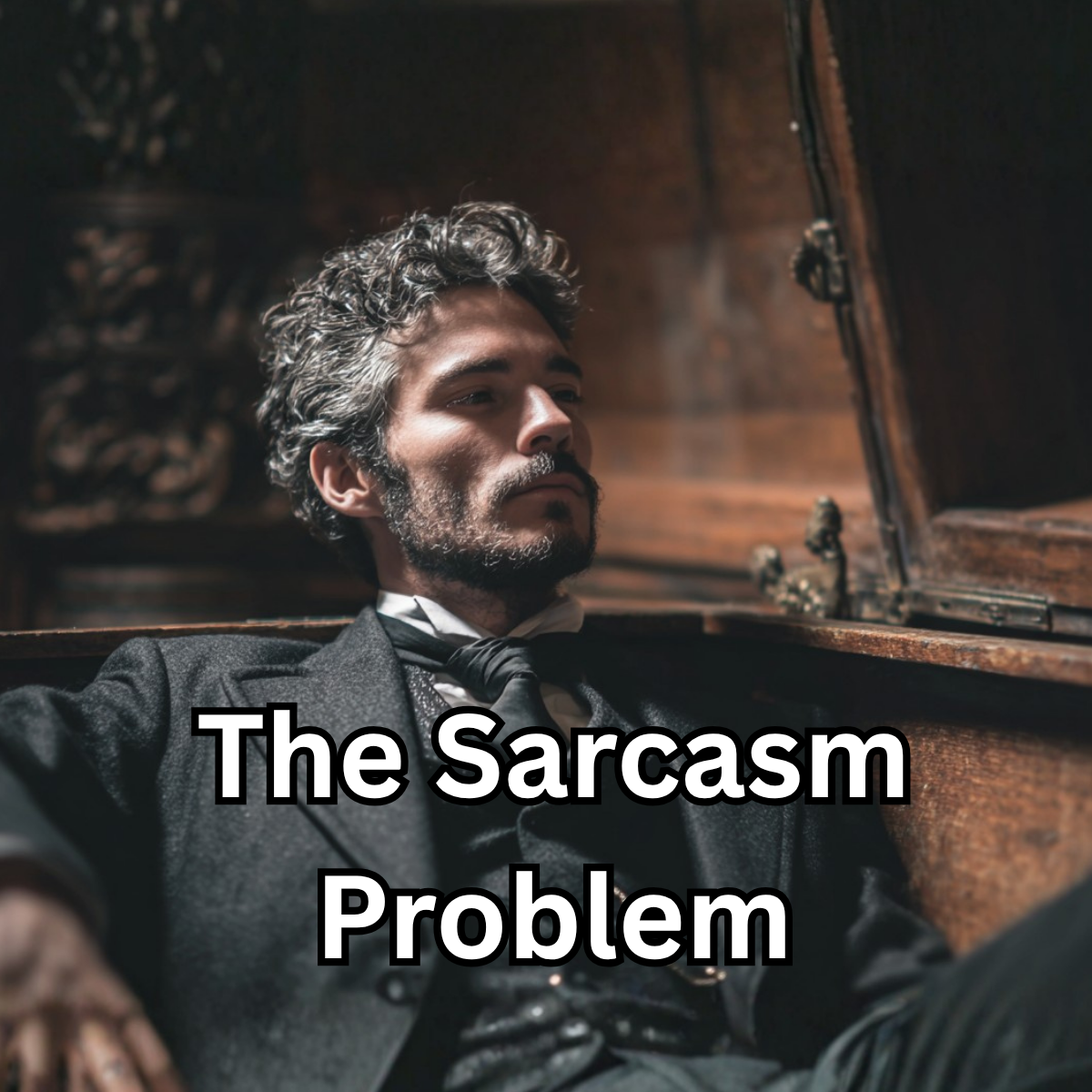
I will probably say something sarcastic from my casket at my funeral. That is fine. But I want it to be on purpose. I want it to be the right moment for it. I want it to land the way I intend. And that means learning to control it now, while I still have time to practice.
The next time you feel a sarcastic comment forming, pause. Ask yourself if this is the right moment for it. Ask yourself if the person on the other end will understand it the way you mean it. Ask yourself if you are using sarcasm because it is useful, or because it is just what you do. Then choose. That small pause is enough to turn a reflex into a decision. And decisions are what separate the people who use sarcasm well from the people who just use it.