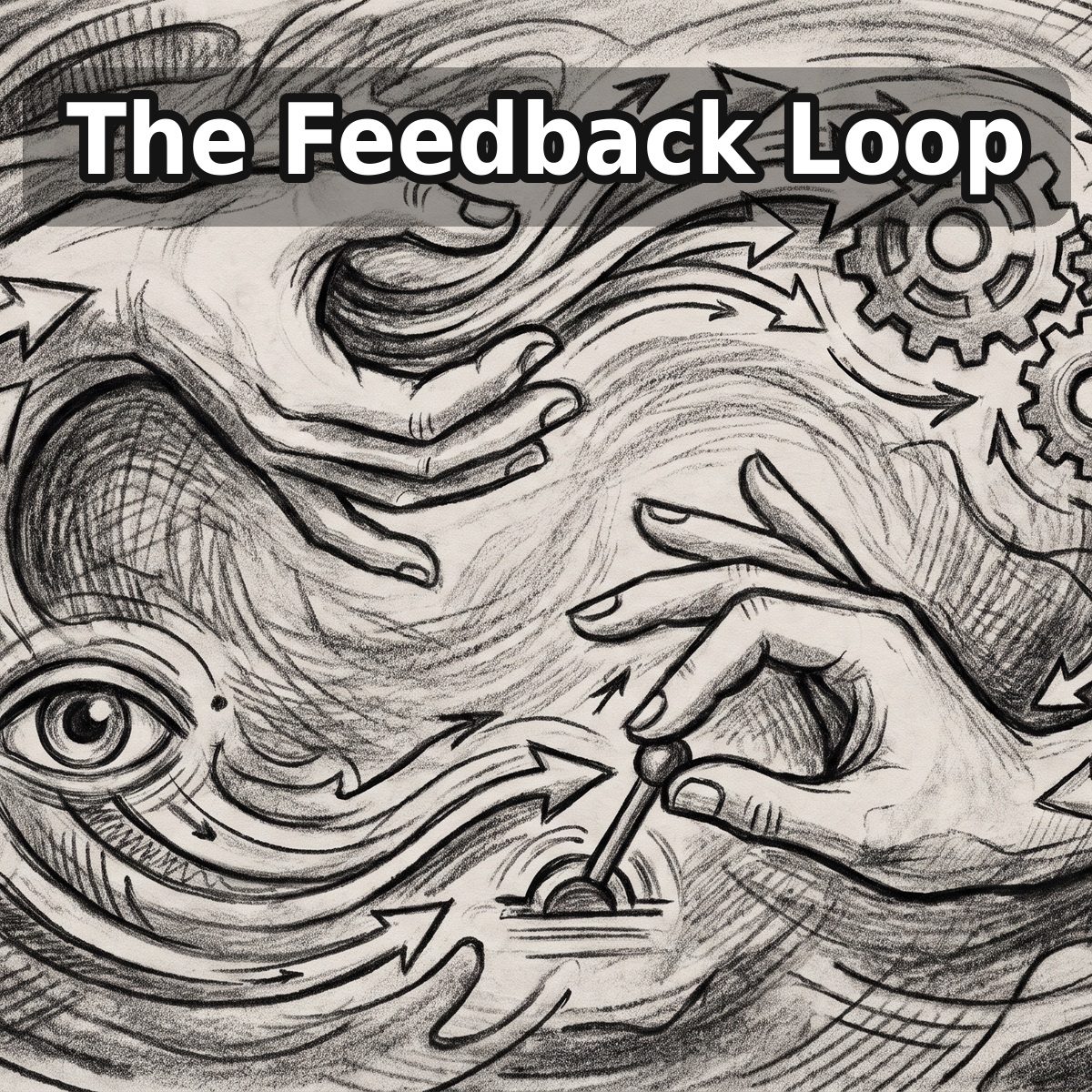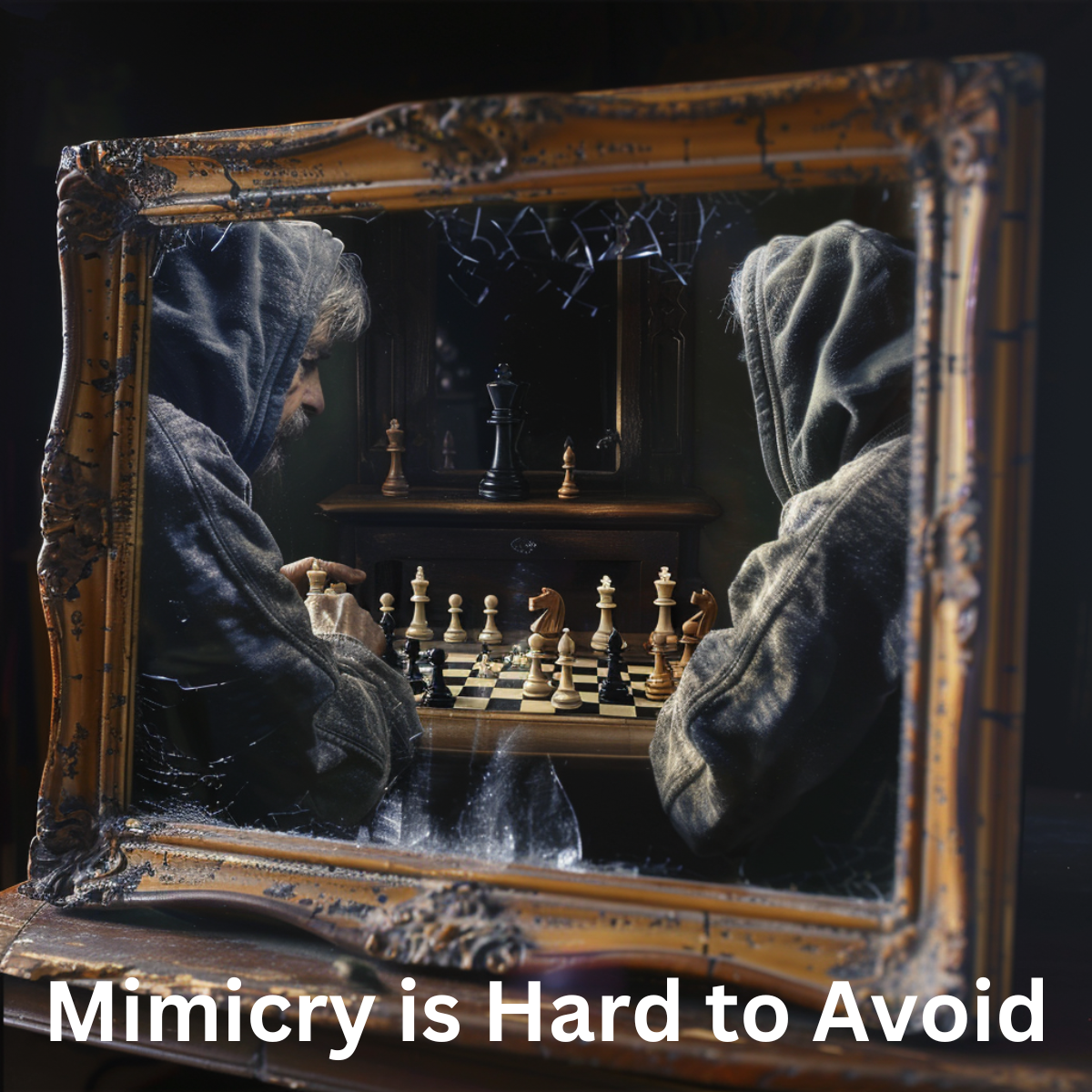
Your personality is hard to avoid. You cannot really hide who you are. Despite your best efforts, the things, the people, and the organizations you engage with will, to some extent, mimic back who you are. It is not an exact mirror reflection, but it tends to be so close that it is painfully obvious to outsiders. You will see people getting all sorts of negative responses when what is really going on is just simple mimicry. What goes around comes around is the topical saying that I heard a lot when I was younger. To illustrate this point, I would like to focus on a few examples.
The Game of Chess as a Mirror of Personality
The first is chess. I think the game of chess is one of the best reflections of a person’s personality—a mirror image of their temperament, the way they handle conflict, and how they approach difficult decision-making. Are they impulsive? Do they take risks? Are those risks measured and calculated, or are they rather impulsive? Are they most concerned with defending their space or grabbing new space? Do they prefer to think strategically or tactically? All of these questions can be answered about a person in the domain of 64 squares. Assuming that you know how to play chess at a moderately competitive level, you can start to see patterns in chess play that will mimic the same patterns in your own life. I tend to be a little impulsive, especially when restricted. I am willing to take risks but will over-calculate when in completely new territory. I rely on my intuition and sometimes do not realize that the patterns I am seeing are not the same as they were in different scenarios. Above all, I am 100% tactical in the way I approach problems.
Chess: A Personality Test You Can’t Hide From
So the game of chess is really just a personality test and you really cannot hide this. Your personality traits will come out in your gameplay. Some Grandmasters have had almost every game of theirs analyzed, processed, reviewed, and criticized throughout their entire lifetime. When you read their biographies, it is amazing how closely their personalities match their play. In some sad situations, their chess play has deteriorated in the same fashion that their personal lives did. Chess really does mimic life.
Mimicry in Life and Leadership
It is easy to see this with a game but harder to understand and see in other things. However, mimicry is hard to avoid in each scenario of life. Things bounce back, whether you like it or not. The area I have seen this the most is with leaders in an organization. The organization will eventually take on the characteristics of the leader. This is unavoidable, and it just happens over time. If you, the leader, are a nice, kind-hearted soul but have difficulty with being aggressive, then the company will behave that way, too. If you are a mean-spirited, greedy person who will win at all costs, then your people will begin to behave that way, too. Your weaknesses will become magnified, and so will your strengths.
Mimicry in Relationships and Family
Mimicry also happens in relationships, and as I have gotten older, I have seen this with my own family. We tend to mimic each other’s behaviors—good or bad. It just seems to be unavoidable. We humans reflect each other’s behavior if we are around each other a lot. Mimicry is something we learn to be really good at as children, and we do not abandon that skill; rather, we get better at it.
Conclusions on Personality Reflection and Mimicry
So, what does this lead me to conclude? First, you cannot hide who you are. Everyone and everything around you will reflect it. You may think you can be clever about concealing who you really are deep down inside or try to fool people as to what your intent really is. This is just not possible, society and people will reflect right back at you the way you really are. So, if you want to know who you are? Just take a good look around you – that will tell you. Second, I think it is important to realize our strengths and weaknesses so that we do not set up expectations that we can have other people overcome our gaps without bringing them in on the problem. If you do not let people know, then over time, they will reflect your weaknesses back because that is what they think you want.
Unattended mimicry will work to reflect back what it received. If you want anything different, then you need to be deliberate in intent.