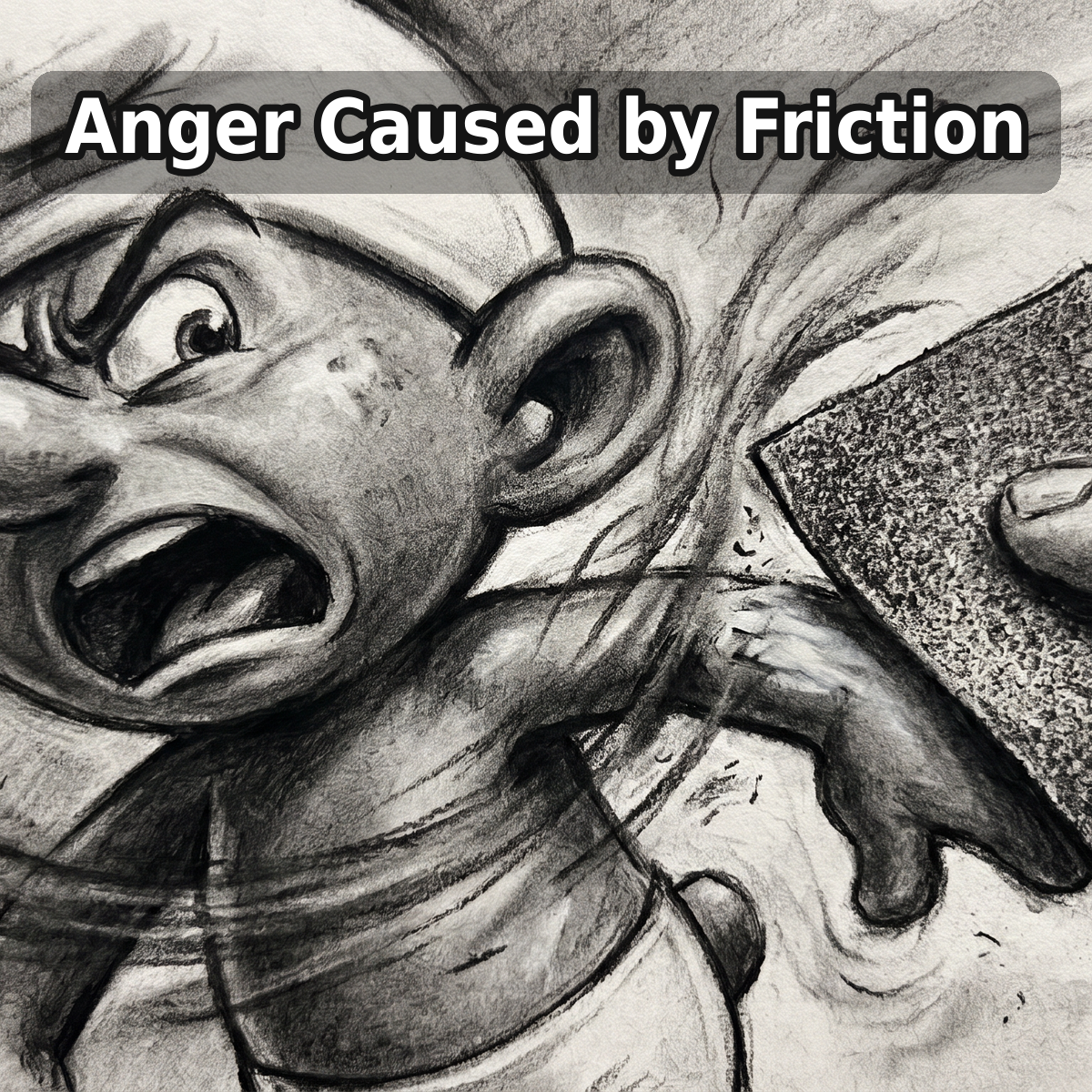
The time to make a tough decision is right now. In my experience, the more you delay a tough decision, the more painful it gets. You usually have to make these types of decisions when something or someone is not working out for you or your company. The reason these are tough is usually that it is your fault, and therefore, you find yourself in a quandary. On the one hand, you realize this is not working, and on the other hand, you realize that by making this decision, you are admitting failure.
I have had various times in my career where I thought I was awesome. Even at the highest pinnacle on the highest mountain in my journey, I am probably only making 7 out of 10 decisions correctly. No matter how much I wring my hands, furrow my brow, and toss and turn at night, I am going to make bad decisions. There is no avoiding that. It is just not possible to make 10 out of 10 good decisions. To get to even the level of 9 out of 10, good decisions would require a serious amount of planning, preparation, and consideration, and that would take time. I do not know about you, but I never have enough time. I usually need to make decisions faster than I want to.
So, with the speed of decision-making, my goal is to make at least 6 out of 10 good decisions in a day. That, at least, will keep me going in the right direction. I have lost all pretense that I can somehow be superhuman and always make the right decision, so as a consequence, I make bad decisions, and every once in a while, one of those bad decisions creates an ugly situation. A project we started could be better. A new product that launched is tanking. An investment is going underwater. A new employee may not turn out to be as good as we thought and, in fact, is a liability. During the day, you are making decisions, and if it is a good day, a majority of them will be good ones. However, when they are not, you’re going to have some tough decisions in the future.
Although there is plenty of advice on how to deal with, process, and make tough decisions, the best advice is not to delay. When you delay, you are causing a build-up of angst and furthering the damage from your bad choice. The more you dig your heels in and defend your bad choices, the worse the outcome is and the harder it gets to make the decision. I have had more than one decision that I have defended until the bitter end, and I regret not just “cutting bait” a lot sooner. Speed and decisions are tied together in an interesting relationship that we should all be highly cognizant of.
Decide. Move on. Then, when you find out that the decision was wrong, make the immediate choice to kill that idea and try something new. Waiting around never works, in my experience.