This is the fifth in a series I am writing on how potential lessons from the Golden Age of Piracy can help us in our own adventures. As I am currently out on an adventure of my own, this is a series that I wrote ahead of time and prerecorded.
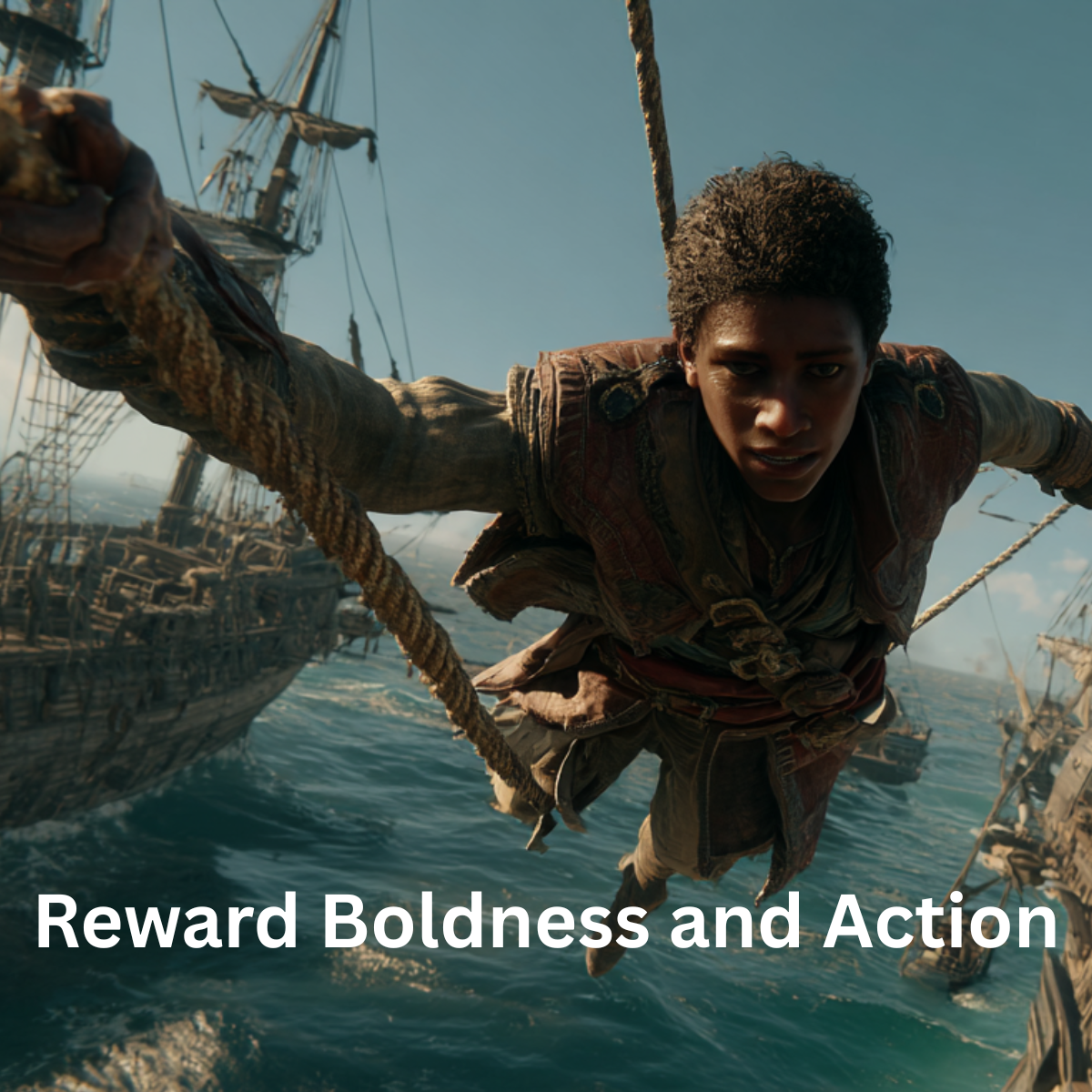
Pirate crews were famously bold, often achieving significant rewards precisely because they were willing to take calculated risks. Far from random bravado, their audacity was strategically incentivized by clear, equitable reward systems that encouraged decisive action and innovation.
Unlike traditional naval or merchant ships of their era, pirate crews typically divided their spoils fairly, often distributing shares equally among all crew members, with additional rewards specifically set aside for exceptional bravery or initiative. This incentive structure motivated individuals to act boldly, decisively, and creatively. The greater the risk taken, the larger the potential reward—leading to crews willing and eager to embrace risk rather than shy away from it.
For example, the famed pirate captain Bartholomew Roberts implemented a reward system where his crew received equal shares of captured treasure, with extra incentives and bonuses for those who showed exceptional courage or ingenuity during raids. This structure created an environment where taking the initiative was celebrated, not feared.
Today’s agile teams can significantly benefit from this pirate-inspired mindset. Too often, modern organizations inadvertently punish risk-taking by rewarding caution and incrementalism. Yet, to remain competitive and innovative, agile teams need to embrace calculated risks and act boldly when opportunities arise. Creating clear, explicit incentives that reward innovation, rapid action, and courageous decision-making ensures that your team not only tolerates but actively pursues intelligent risks.
Practical Takeaway: Establish clear, tangible incentives that reward boldness, swift action, and creative problem-solving. Celebrate team members who take calculated risks, even if not all initiatives succeed perfectly. By structuring your incentives to encourage bravery and decisive action, your team will develop the confidence to seize valuable opportunities quickly, just as pirate crews once did on the unpredictable seas.