This is my second day thinking about Henry Ford. Yesterday I started looking at him as an example of risk taking, and today something harder is sitting with me. I have always believed I would reach my dreams by pulling off heroic deeds, by doing more than anyone else. Ford did not work that way. He won by doing less, better, and repeatedly.
Early automobile companies offered multiple models. They customized builds. They focused on craftsmanship and variety. Ford went the opposite direction. In 1908, he introduced the Model T. It was simple, durable, affordable, and standardized. Then he made a radical decision. He would focus almost entirely on one car. He even said customers could have any color they wanted, as long as it was black.
This was risky. He limited customer choice. He made himself vulnerable to competitors who could offer variety. His entire business depended on one product. If the Model T failed, the company failed.
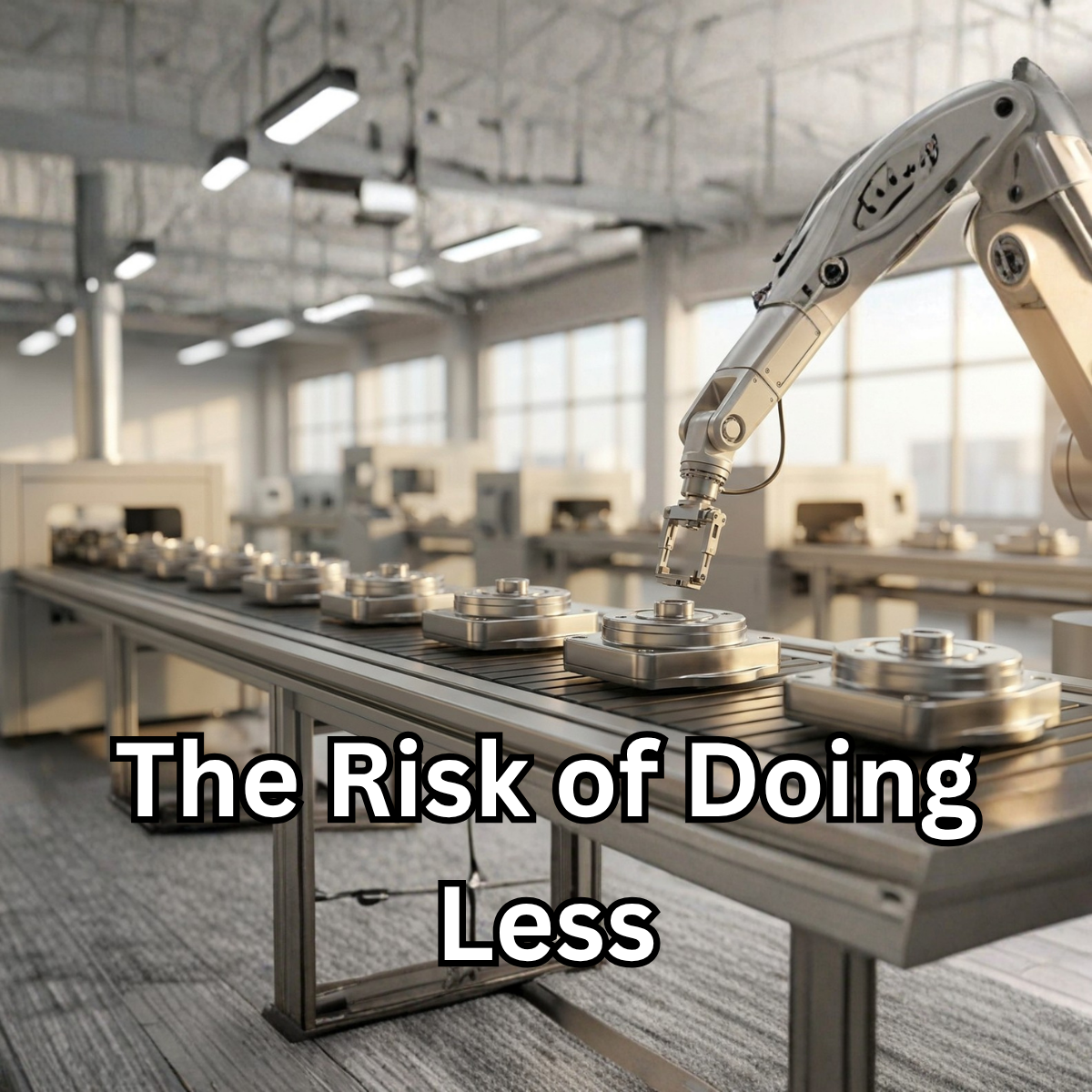
But Ford understood something most people did not. Complexity slows scale. Variety increases cost. Simplicity compounds efficiency. He was not just simplifying the product. He was simplifying the entire system. That commitment to simplicity enabled the moving assembly line. It enabled massive cost reduction and consistent quality. Without simplification, scale would not have been possible.
Modern environments reward options, features, and flexibility. But growth often comes from clarity, focus, and repetition. Most people hedge. They pursue multiple ideas, multiple directions, partial commitment. Ford concentrated. He removed decisions. He committed to one direction long enough for it to compound.
I keep asking myself where I am adding complexity instead of removing it. What would happen if I fully committed to one path? Simplicity feels risky because it removes fallback options. But that is exactly what creates momentum.
“Simplicity feels risky because it removes fallback options. But that is exactly what creates momentum.”
I am still wrestling with this. I want to believe that doing more will get me there faster. But Ford proved otherwise. Progress accelerates when you remove decisions. Growth compounds when you commit to one direction long enough. Tomorrow I will look at one thing I can simplify. Just one. That is the next step.