This is my third day reviewing notes on Henry Ford’s early years at Ford Motor Company. He had many flaws in life and business, so I am not holding him up as perfect. But his willingness to take extraordinary risk to pursue what he believed could be, that I find inspiring. Especially as someone trying to improve and pursue my own dreams.
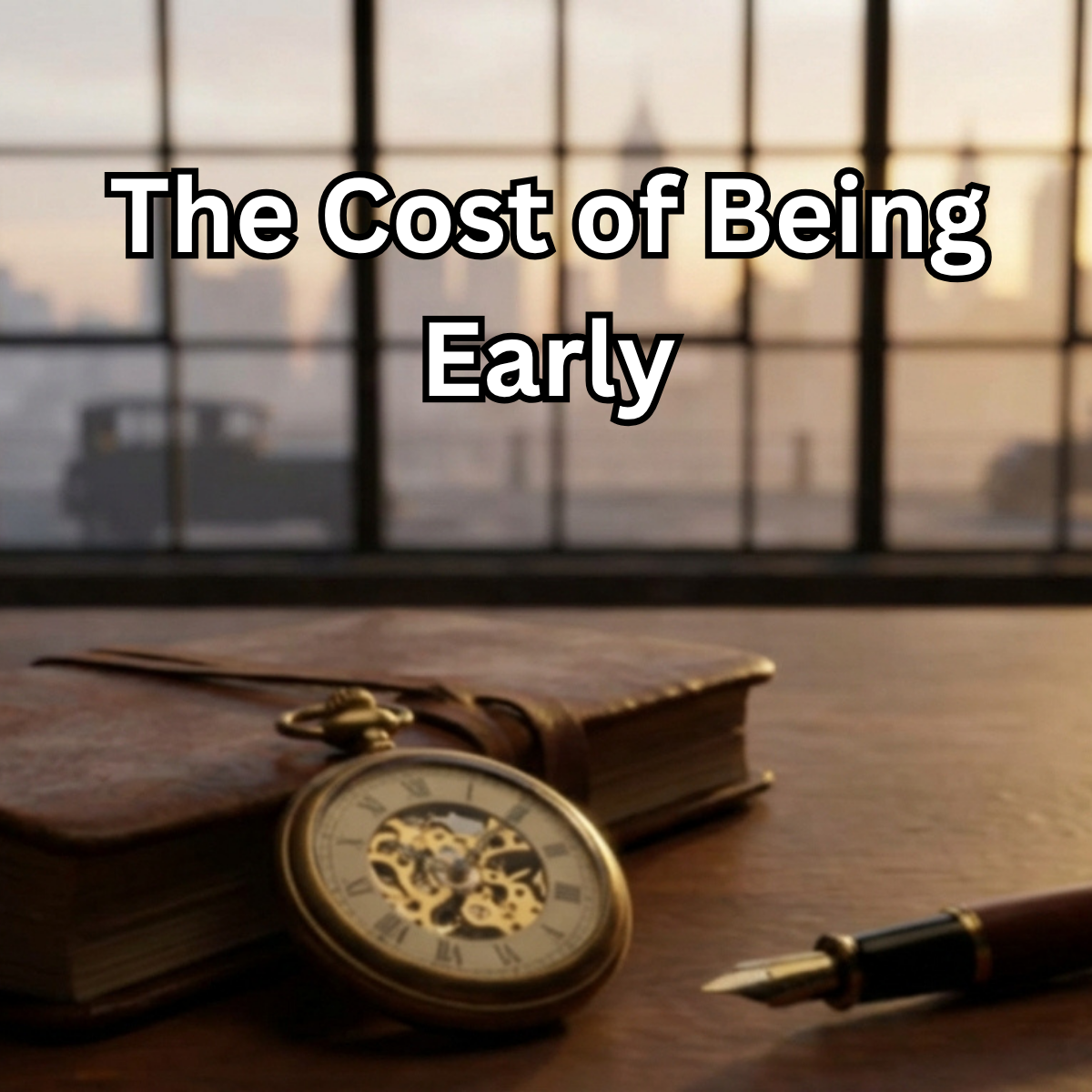
One thing keeps surfacing in these notes. Ford was willing to be seen as wrong, naive, or foolish for a long time. That comfort with being misunderstood early set him apart.
Consider what he faced. Automobiles were considered unreliable toys. Horses were trusted, embedded in every part of society. The infrastructure did not support cars. Most people believed automobiles would remain a niche product at best. Ford’s early companies failed. Investors doubted him. Competitors dismissed his focus on affordability as too basic, too limiting, not what customers wanted. His obsession with simplicity drew criticism from every direction.
Then in 1914, he doubled wages to five dollars a day. The public saw it as reckless. Competitors thought it would destroy margins. But Ford believed better paid workers meant a more stable workforce, and those workers could become customers. He was misunderstood in both his business logic and his social philosophy.
This is where most people fail. Not because the idea is bad. Not because the risk is too high. But because the social pressure is too strong. Being early often means looking wrong, standing alone, being questioned constantly. That emotional weight breaks more ventures than poor planning ever does.
We live now in an environment of instant feedback, public opinion, constant comparison. Most people optimize for being right now, being accepted now. Ford optimized for being right later.
“If you need early validation, you’ll avoid meaningful risk. If you can tolerate being misunderstood, you gain freedom to act.”
I keep coming back to two questions. Am I avoiding something because it might look wrong? Am I choosing acceptance over progress? The market rewards ideas after they become obvious. The risk taker lives in the phase where they are not. That gap, that space between vision and validation, requires a particular kind of endurance.
Ford had it. The question I am sitting with today is whether I do. Whether I can hold steady when the feedback says I am wrong, when the path looks foolish, when standing alone feels too hard. The answer matters more than I want to admit.
The next step is small. Identify one place where I am optimizing for acceptance instead of progress. Name it clearly. Then decide if I can tolerate being misunderstood long enough to see it through.