I sat at my desk, staring at the email that confirmed what I already knew. The project was done. Not finished. Done. Several months of work, countless late nights, and a vision I had carried with real conviction, all reduced to a polite message explaining why it would not move forward. I closed my laptop and felt the weight settle in my chest. Not anger. Not panic. Just a dull, heavy ache that I could not shake.
That ache is what I want to talk about today.
The Rush to Fix
When something falls apart, people want to help. They mean well. They offer perspective, encouragement, and advice. They tell you to move on, to learn from it, to remember that everything happens for a reason. They remind you that failure is part of growth, that you should not be so hard on yourself, that at least you tried. These statements are not wrong. In time, some of them may even be true. But when they come too early, they feel like dismissal. They feel like someone is trying to close a door you are still standing in.
The problem is not the advice. The problem is the timing. When failure is fresh, you are not ready to extract lessons or find silver linings. You are dealing with something more immediate. You are dealing with the death of an expectation. You had a vision of how things would go. You believed in it. You invested time, energy, and maybe even your reputation into making it real. And now it is gone. That loss is not abstract. It is concrete. It sits in your body. It disrupts your sleep. It follows you through the day.
Why It Hurts
Failure hurts because hope was attached to the outcome. You did not just work on something. You cared about it. You imagined what it would feel like when it succeeded. You pictured the moment when the work would pay off, when the effort would be validated, when the thing you built would stand on its own. That picture was real to you. It shaped your decisions. It kept you going when the work got hard. And now that picture is gone.
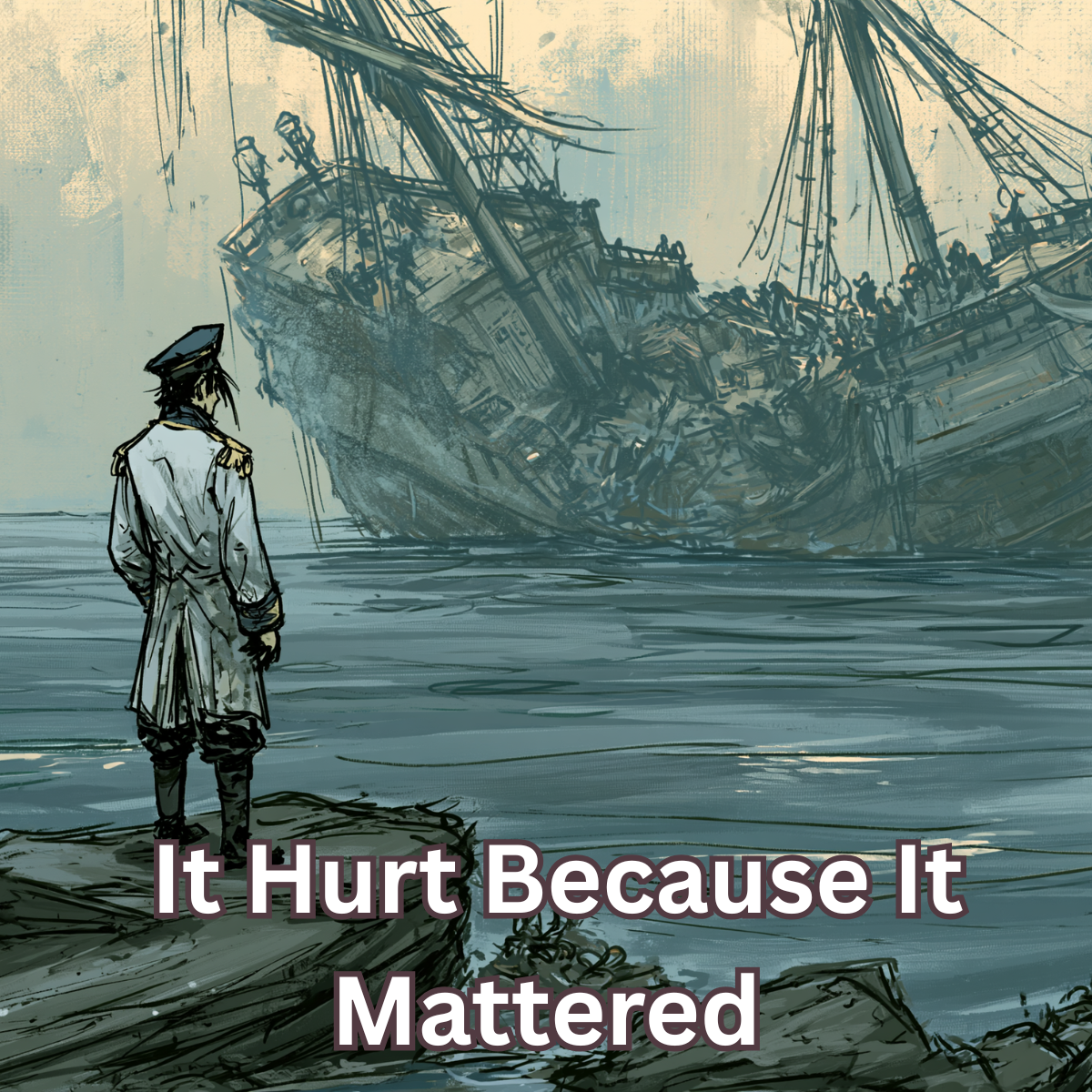
This is not weakness. This is evidence that something mattered. The depth of the hurt reflects the depth of the investment. If it did not hurt, it would mean you did not care. But you did care. You still do. And that is not something to apologize for.
People often try to minimize their own pain. They tell themselves they should be over it by now, that they are being dramatic, that other people have it worse. But grief does not work that way. Grief is not a competition. It is a response to loss. And when you lose something you believed in, something you worked toward, something you hoped would matter, you are allowed to feel that loss. You are allowed to sit with it. You are allowed to acknowledge that it hurts.
“Failure hurts because hope was attached to the outcome. You invested time, energy, belief. When it falls apart, you are dealing with the death of an expectation.”
The Dignity of Grieving
There is dignity in grieving what did not happen. Failure does not need to be denied, explained away, or immediately turned into a lesson. It does not need to be reframed as a blessing in disguise or a necessary step on the path to something better. It can simply be what it is. A loss. A disappointment. A moment when something you cared about did not work out the way you hoped.
Sitting with that reality is not self pity. It is honesty. It is the recognition that you are human, that you feel things deeply, and that those feelings deserve space. The rush to move on, to find meaning, to turn the page, often comes from discomfort. We do not like sitting with pain. We want to fix it, to resolve it, to make it go away. But some things cannot be fixed quickly. Some things need time.
So if you are sitting with failure right now, if you are feeling the weight of something that did not work out, know this. You are not weak because it hurts. It hurts because it mattered. And that matters more than you think. The next step is not to move on. The next step is to let yourself feel what you feel. Sit with it. Acknowledge it. Give it the space it needs. The rest will come later.