To put this into a phrase, there is a fundamental need to learn to build failure into the system without allowing failure to terminate the system. See if this rings true with you. You spend days, perhaps weeks, building the perfect system. You are finally done, and you are excited to begin following your new system. Day 1 is great; you are so pleased. Day 2 might go well, and then on Day 3, you hit a snag, something you did not account for. You fail, and as a consequence, you throw out all of your planning and kill the system. Later, when people ask you why you are not improving, you say, "I have been trying." The reality is that you spent all your time working on the system and only a few days actually following it. You built a system that would avoid all failure, but you did not account for everything, so when failure came, you gave up.
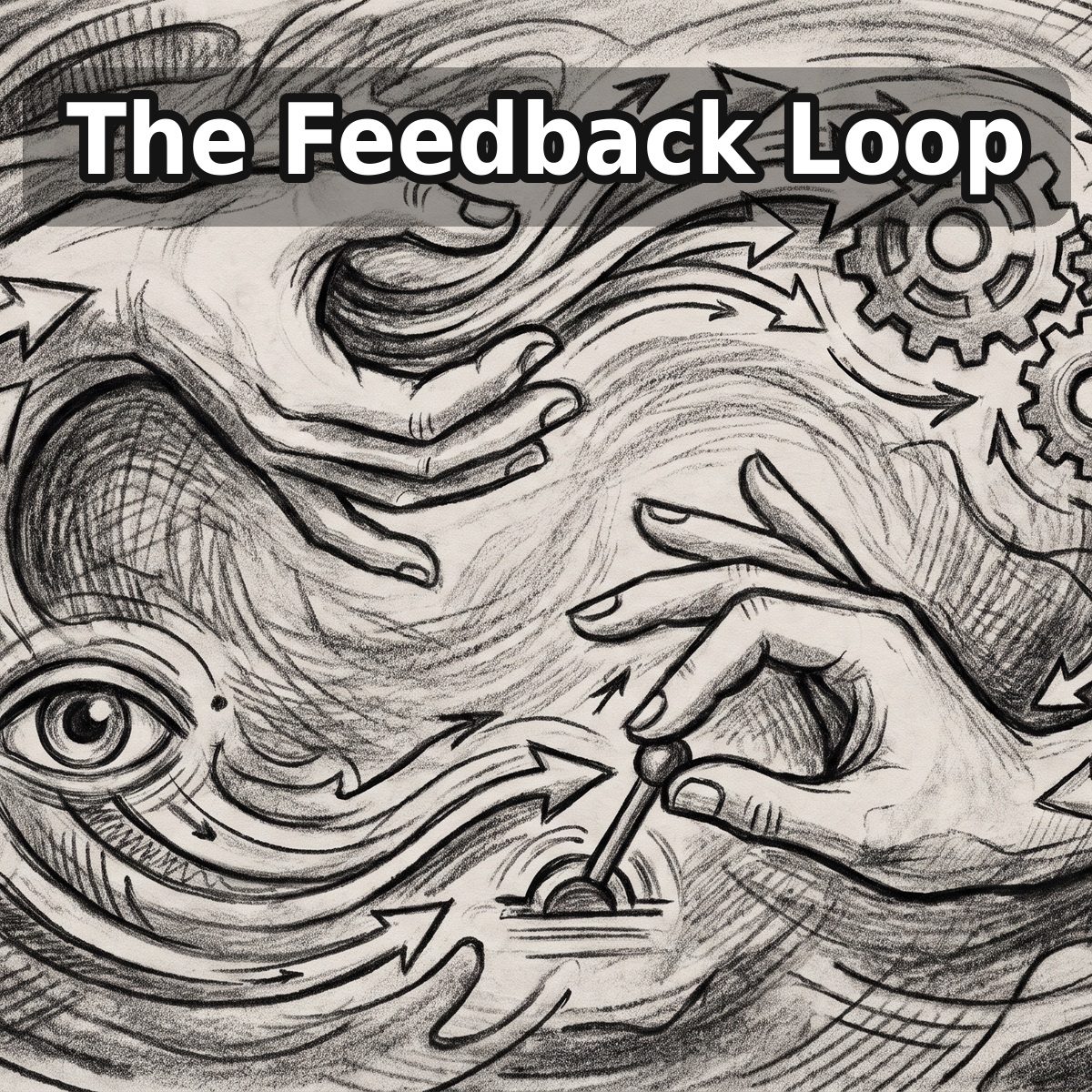
The problem is and will never be the system. Almost any system you come up with will probably be good enough to make progress with. The question is, will you show up and actually do it, or will you give up after a few days? You need to get this out of your thinking: "I failed today; therefore, the system isn’t working." Rather, you need to say, "This is what happened. I accept it. Tomorrow I will try again."
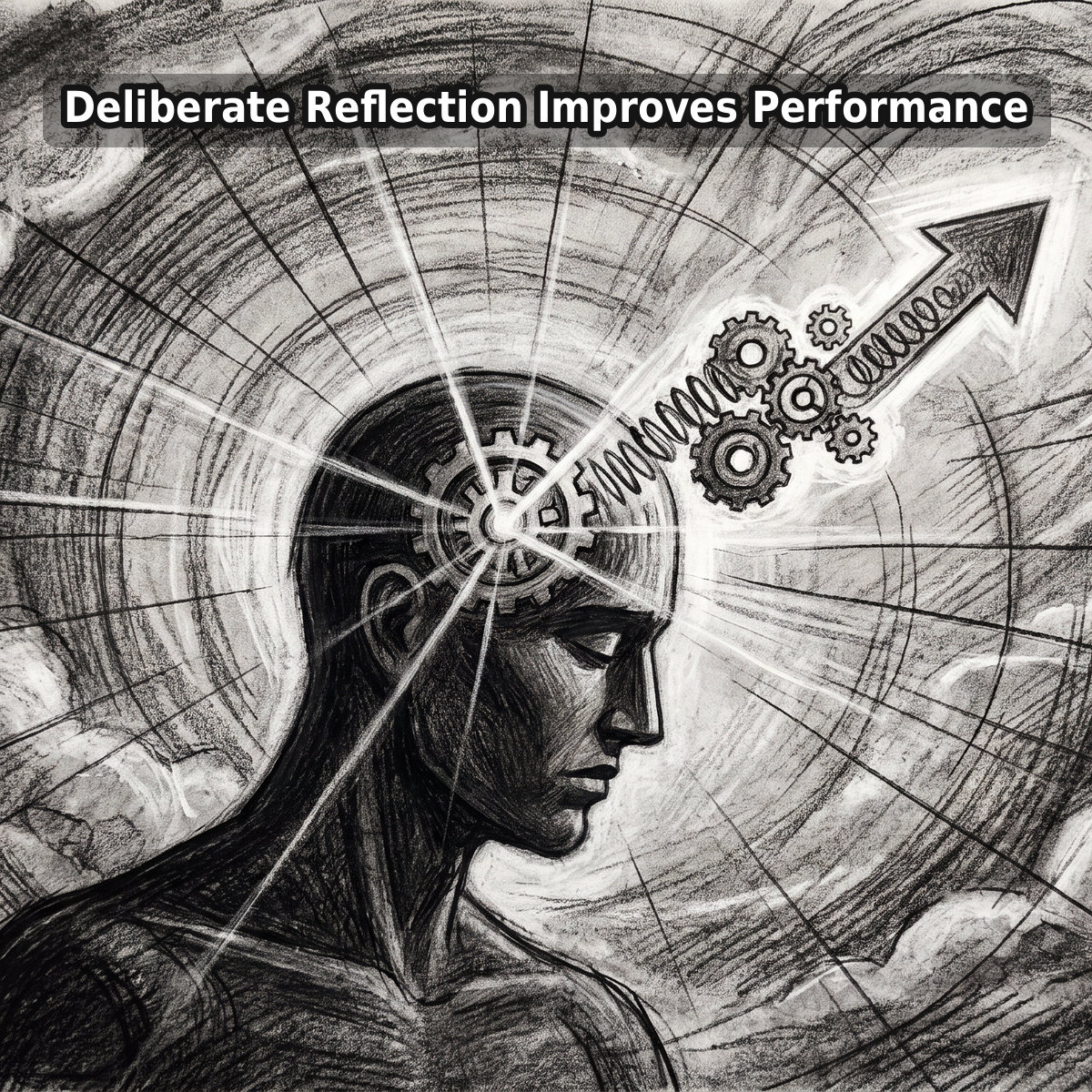
People often think harsh self-criticism creates discipline. It can instead create avoidance. This is why, after some 50 years of trial and error, I finally came up with a practice that separates evaluation from condemnation. Any failure that you experience in your system needs to become information rather than identity. This gives you permission to accept that you do not need a perfect personal operating system, that reinvention is not a cycle that you need to participate in. Rather, continuous improvement is the better path.
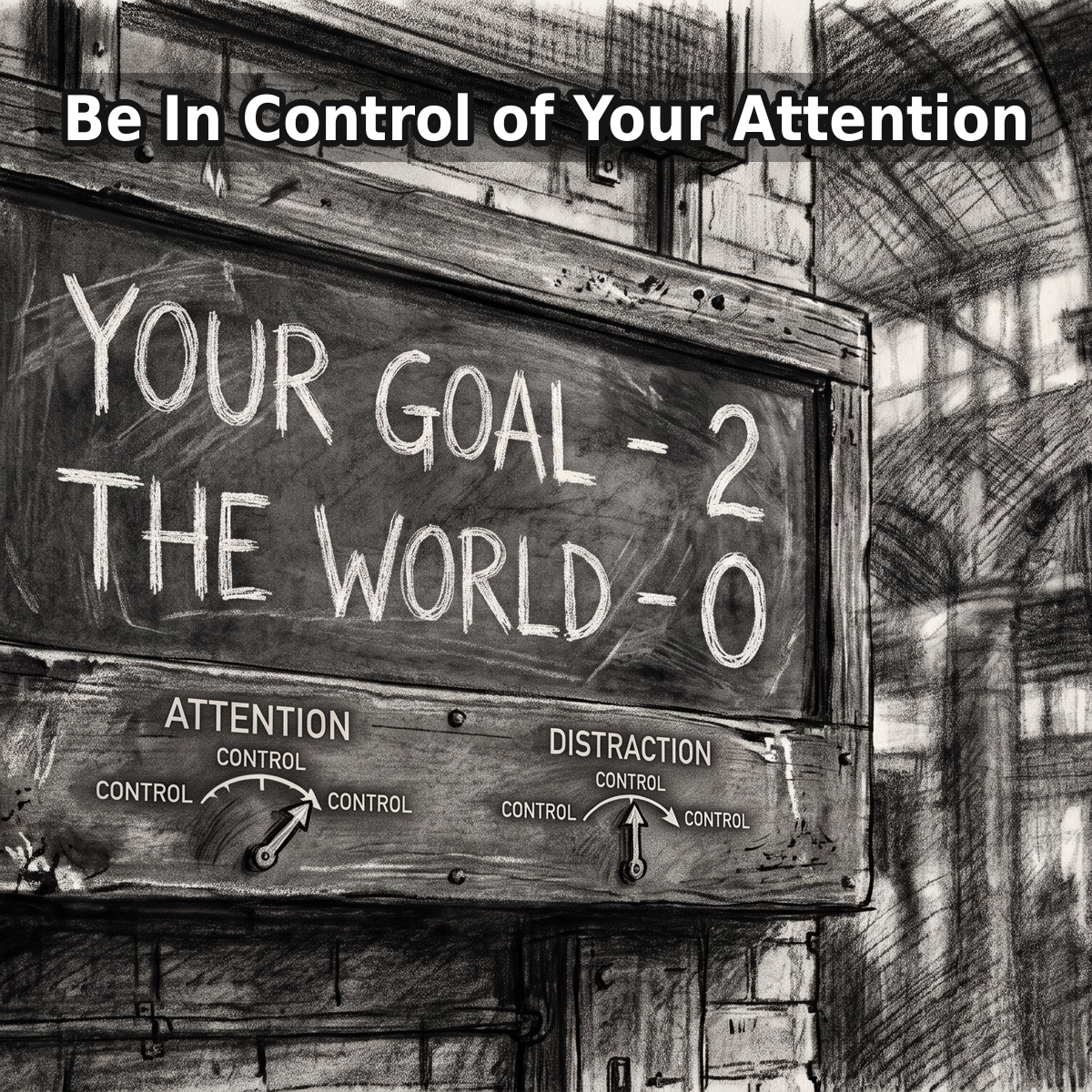
Habits thrive in an environment where repeating behaviors can keep going despite failure. They can become automatic when your context is stable, and you are not trying to reinvent yourself every 2-3 days just because it got tough. If you are relying on motivation to carry you through the ups and downs of implementing a system for living, then you will fail. Structure should carry you, never motivation, who is your fair-weather friend.
So, when you’re building out your own systems, or just trying to get a handle on things, remember that it’s less about hitting some perfect ideal right out of the gate and more about just showing up. It’s about setting up those little habits that act like a safety net, making sure that even when things don’t go exactly to plan, you’ve still got a solid foundation to fall back on. That way, every stumble isn’t a sign to quit, but just another piece of information helping you tweak and refine your approach, making your whole setup a little stronger for the next round.