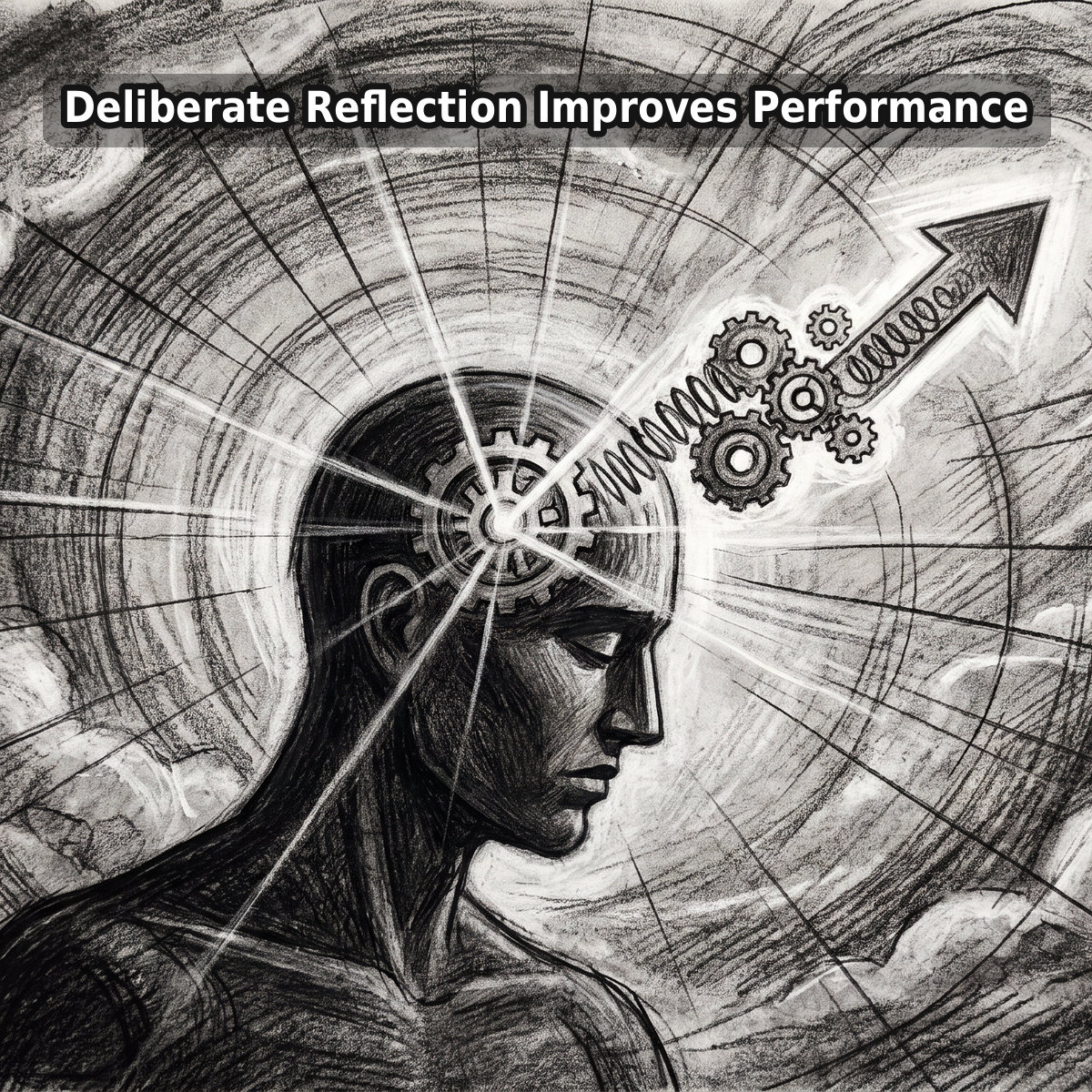
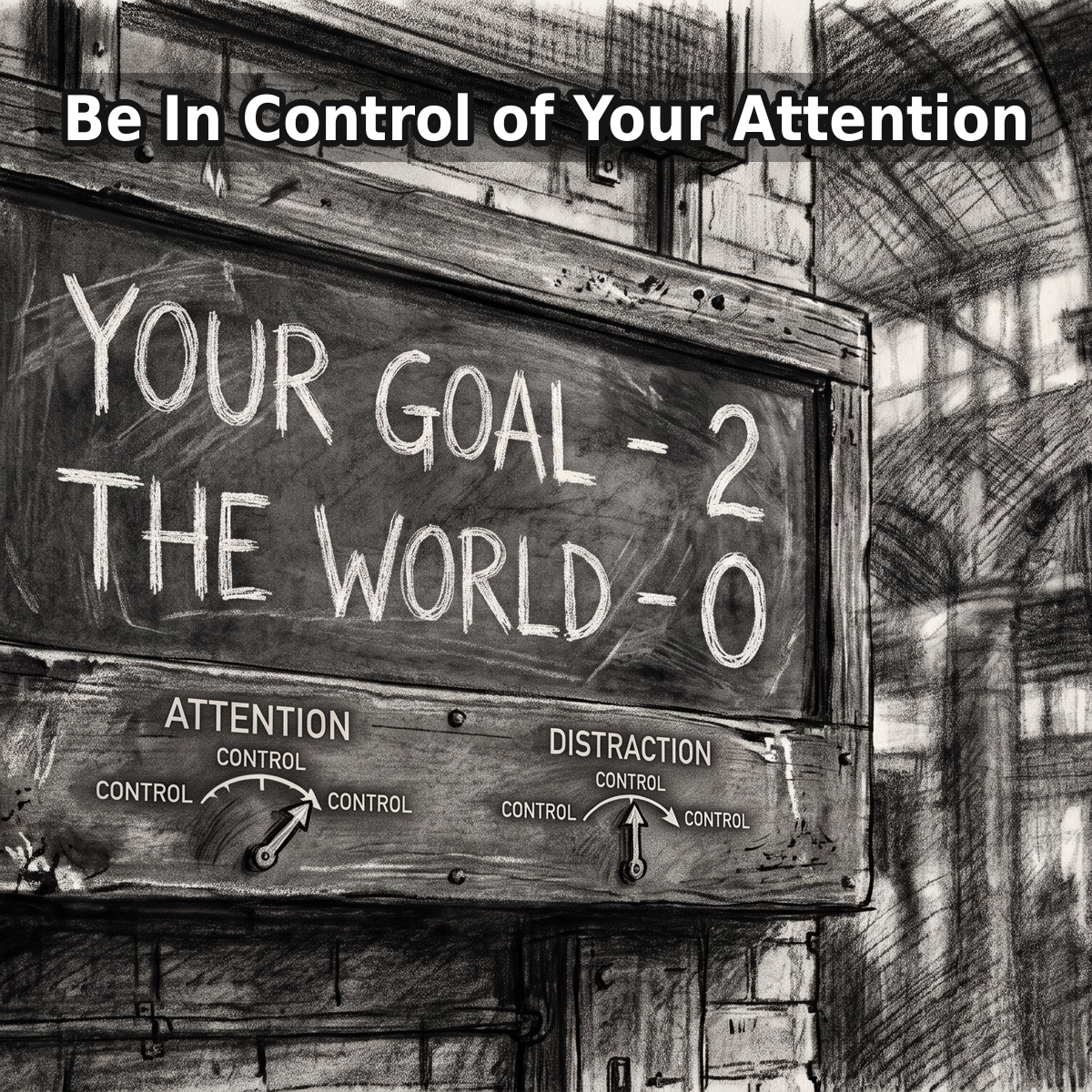
Focus is an important concept, but I am learning something about it that I thought I would try to share. It is not good enough to just have focus. You could be focused on anything at a given point, but what you are focused on is more important then the focus itself. However, here in lies a trap.
We all innately know this. We understand that by focusing our energy on a few things, we will get further along in our progress. Trying to focus on too many things is impossible and we end up being diluted and make little to no progress. So we learn very quickly that we must focus on what is important, so then we spend a lot of time worrying about what to focus on. We might even eventually make a decision as to what that could be. That is where the trap springs.
We find ourselves first thinking a lot about what to focus on, then we spend even more time contemplating how to focus, or what exactly to start with first in the area of our chosen focus. This starts a death spiral of the nonproductive. What I have learned over the course of a few years is the following.
Decide to focus on something, that is important. Once you have done that spend very little time, less than an hour, deciding what to focus on first. This is the “how.” Your main criteria is that the focus point should be something that you can do frequently, and in small enough bit size pieces that you will actually do it. When you have that, then you just jump in and start the focus on that thing you have selected. Here is what will happen.
Over time, as you focus on that thing, you will learn about what you are focusing on. You will naturally, and with very little effort actually start to spend energy on the right activity. Choosing to focus and then doing something was actually the problem all along. You do not need to fall for the trap of paralysis by analysis, or contemplation of how to do it right. Just start on the activity that is in front of you now and in short order, after frequent repetition you will automatically figure out the improved focal point.
Here is the point. How to focus is always known by the person who has already been focused and never by the person that has not learned to focus at all.
Guy Reams