If something is not going well, or it feels like a constant struggle, you may want to ask the question, "Am I wrong?"
Now it maybe that the stuggle is nothing more than natural resistance to your success, however it is healthy to consider the alternative.
When I was a young man, my dad used to always tell me to not back losers. I thought he was talking about people, but as I have gotten older, I realized this also refers to your own ambitions. If you are backing a losing proposition, then maybe the resistance means that you are just wrong. Can the answer be that simple?
This is a critical consideration. If you are pursuing a good cause, or a cause worth pursuing then the struggle is necessary, required, and even just part of the process. However if you are wrong, your course is faulty and you are being resisted for a fundamental reason then you must ask the question. Chasing a losing proposition is just not worth it, especially when there are so many opportunities before you. We are blessed to live in a time of peace when this is absolutely true.

So we need to pursue a worthy cause, but definitely not a wrong one. So if you are engaged in a struggle, as the important question...Am I wrong?

Guy Reams
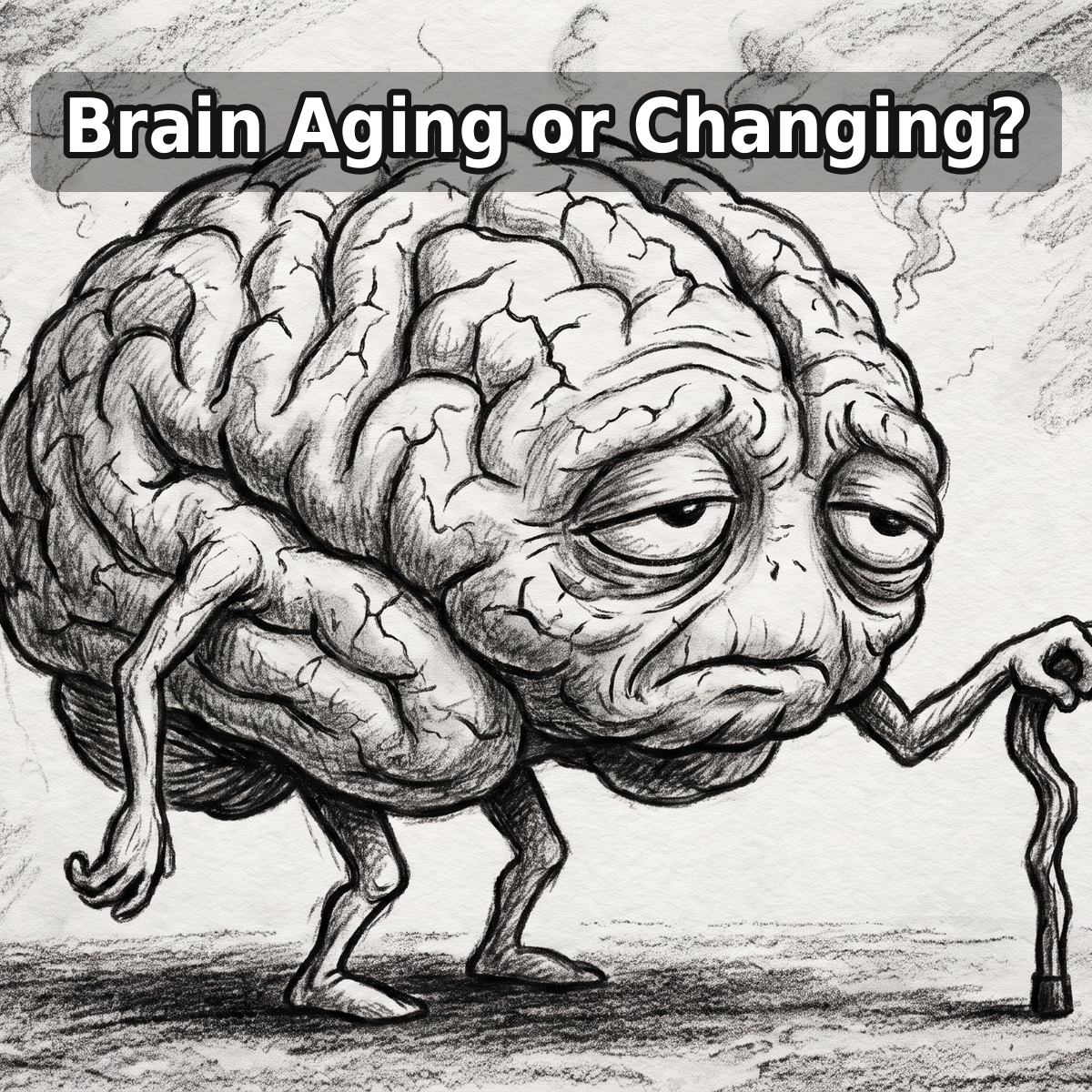
Day 361 – Is the Brain Getting Old or Just Changing?
As we age, our brains may shift from remembering every detail to focusing on meaning and wisdom. This natural cognitive shift, supported by research from the University of Arizona, suggests that difficulty recalling minutiae isn’t a sign of decline but an adaptation towards higher-order thinking.