
Improving is sometimes as easy as just choosing to pay attention.

Hawthorne Effect

This concept became popular due to Elton Mayo’s research in the late 1920s. Humans will improve their performance because they become aware of observation. This is now known as the Hawthorne Effect. You can read up on that with an easy search, being well documented.

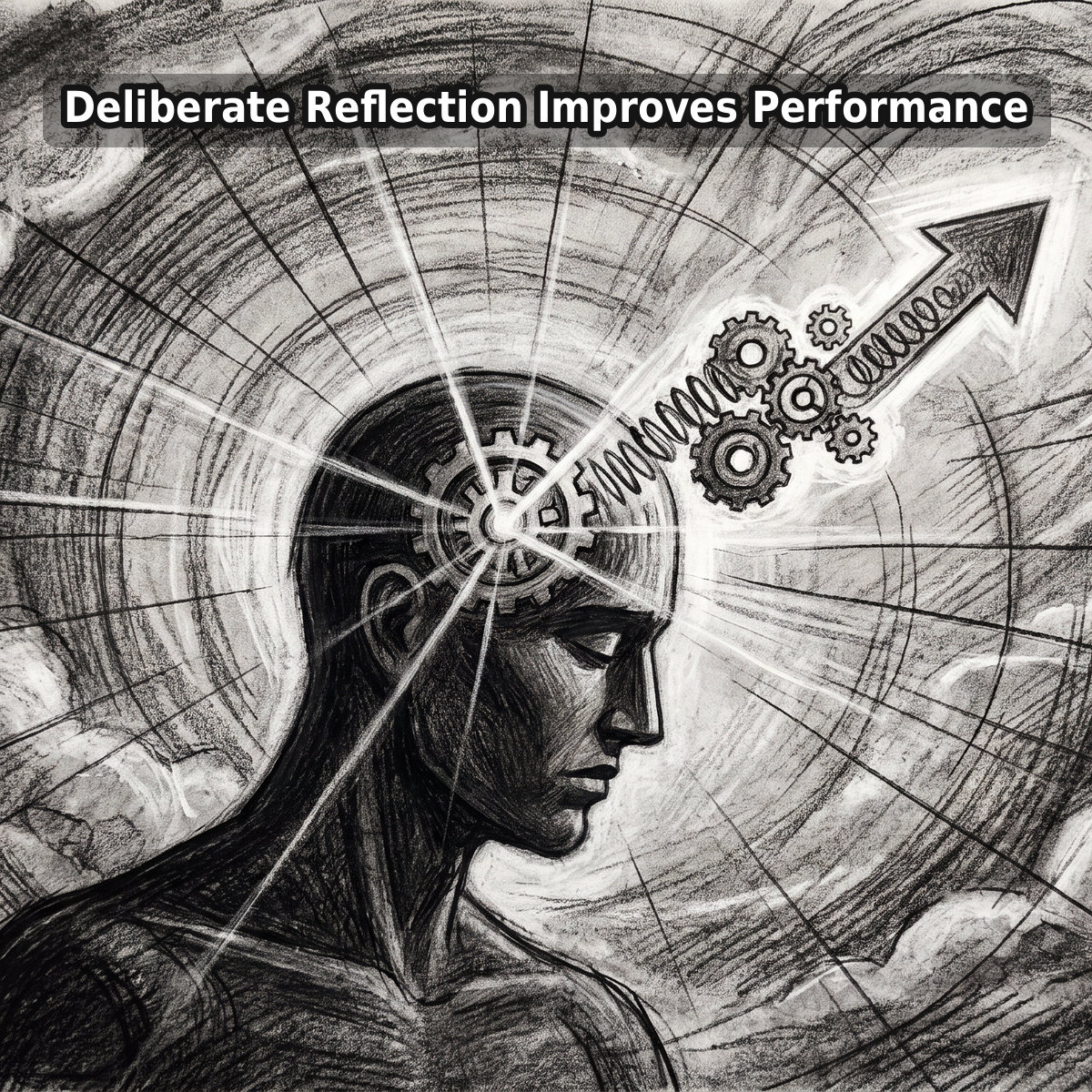
My point is that we can learn a bit of our own psychological response by considering this effect. Anything we pay attention to is going to improve. This may not be because we have done anything of particular significance. By emphasizing something with our attention, we will improve our effort. As a consequnce the thing we focus on will improve.

Focused attention becomes the key. Other factors are important, sure. Yet, the key ingredient seems to be our focus. Stated in a simple fashion, we improve what we focus on. Focusing provides a magnification effect. You start to create waves that end up cycling back your way, often times, stronger than before.

Pay attention to the areas of your life that you want to approve. There is this wierd cognitive issue that we all do. We set goals to improve areas of our lives that we never spend anytime on. Success is not as complicated as we like to pretend it to be. If you want improvement quickly, just pay attention.
Subscribe
Notify of
guest
0 Comments
Inline Feedbacks
View all comments
Share the Post:

Recent Blogs

Day 309 – The Price Tag of Automation

The author recounts his frustrating experience with home automation after Google abandoned its Nest architecture, leading him to build his own system. He highlights the significant time and effort required for maintenance and the eventual abandonment of his automation efforts due to the high ‘economic life’ cost. However, with the advent of AI, the cost and effort of automation have decreased, making it more feasible and renewing his interest in deploying future automations.

Read More

Day 308 – Speed is The Champion

This article explores the concept that speed often leads to success in various fields, from business to technology and sports. It argues that systems capable of rapid action, feedback, and adjustment tend to outperform those focused on avoiding errors. The author highlights the importance of fast feedback loops, citing John Boyd’s OODA loop and its application in AI systems. The piece also discusses the speed-accuracy tradeoff, noting that while speed can lead to more mistakes, these are often recoverable, and the compounding effect of rapid learning ultimately drives better results.

Read More

Day 307 – Iterative Could be Insufficient

This article explores the contrast between iterative and linear thinking, highlighting their respective strengths and weaknesses. It argues that while iterative thinking is beneficial in many fields, it can sometimes be an excuse for insufficient upfront planning, and proposes a hybrid approach for more robust decision-making.

Read More

Day 306 – The Zeigarnik Effect

The article explores the psychological relief gained from writing down unfinished tasks and concerns, linking it to the Zeigarnik Effect. It explains how externalizing thoughts through writing can free the mind from constantly remembering and worrying about unresolved issues, allowing for greater mental peace and the ability to conclude the day effectively.

Read More
0
Would love your thoughts, please comment.x
()
x