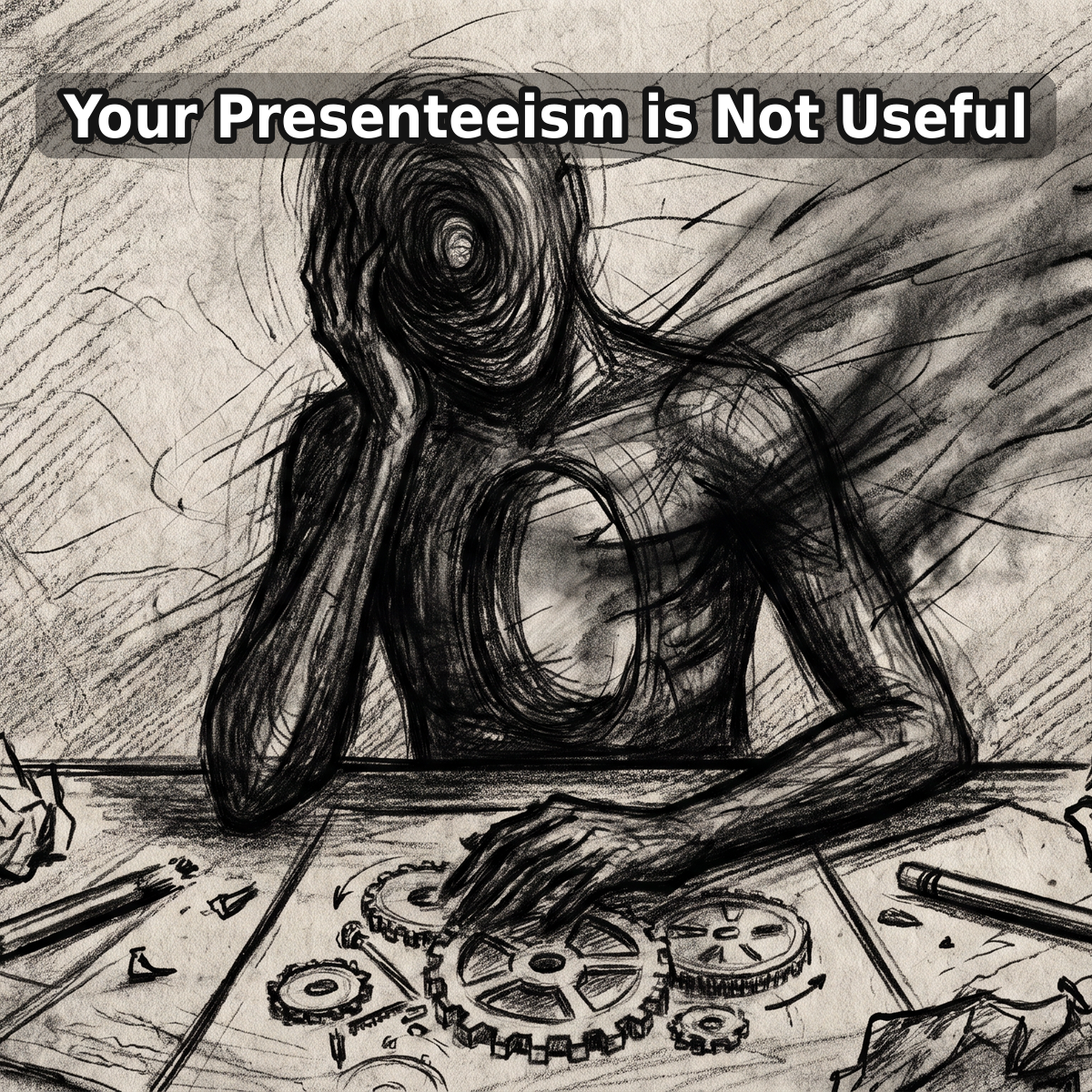
The first time I delved into Ray Dalio’s “Principles,” one concept resonated profoundly: viewing oneself as a machine. This seemingly simplistic notion revolutionized my approach to personal development and productivity. Dalio suggests considering the outputs you seek and then examining each component of yourself to assess its efficacy. This perspective allows for the compartmentalization of life into manageable segments, focusing on smaller, more easily solvable processes.
Over time, I’ve identified seven subsystems within my life, each with specific objectives. This approach to self-management has enabled me to optimize each subsystem for peak performance, ultimately propelling me towards my goals. By viewing aspects of my life as distinct systems, I’ve gained clarity on progress, offering a fresh perspective on personal growth and achievement.
Transitioning between different aspects of life is a challenge many of us face. It’s not just about switching from professional to personal roles; our lives encompass multiple roles and responsibilities that often intertwine and overlap. Society increasingly blurs the lines between personal and professional spheres, adding complexity to these transitions.
Creating subsystems within my life has been pivotal in seamlessly transitioning from one role to another. This structured approach allows for a smoother shift in focus and responsibilities, reducing the mental load and stress of juggling multiple roles.
Watch my video on Self As System, here
One of the most significant benefits of this system-centric view is the ability to dispassionately analyze and improve each subsystem. By detaching from the minutiae, I can objectively evaluate the effectiveness of each aspect of my life and make informed decisions on improvements, much like managing a project at work.
Embracing this mindset has also led me to automate various aspects of my life, seeking efficiency in routine tasks to free up time and energy for more meaningful pursuits. This quest for optimization is akin to streamlining operations in a professional setting, ensuring each component functions with maximum efficiency.
In conclusion, viewing life as a series of subsystems has enhanced my efficiency and improved my overall disposition. This approach allows for focused attention when transitioning between roles and reduces the overwhelm of managing a multifaceted life. By compartmentalizing and optimizing each area of my life, I’ve found a balance that fosters personal growth, satisfaction, and a sense of control over my destiny.