This summer, while backpacking through one of North America’s last great wildernesses, I found myself enveloped in its raw beauty despite the frequent rains. On the rare clear nights, the sky unfolded above me in a spectacular tapestry of stars. Gazing up at these billions of celestial bodies, I was struck by a profound realization: this very view must have been a nightly spectacle for most of human history. In our modern cities, drowned in artificial light, we’ve lost touch with this primal source of entertainment and wonder that once dominated the night. This disconnection made me ponder how, over time, we have overshadowed many of life’s simple yet profound experiences.
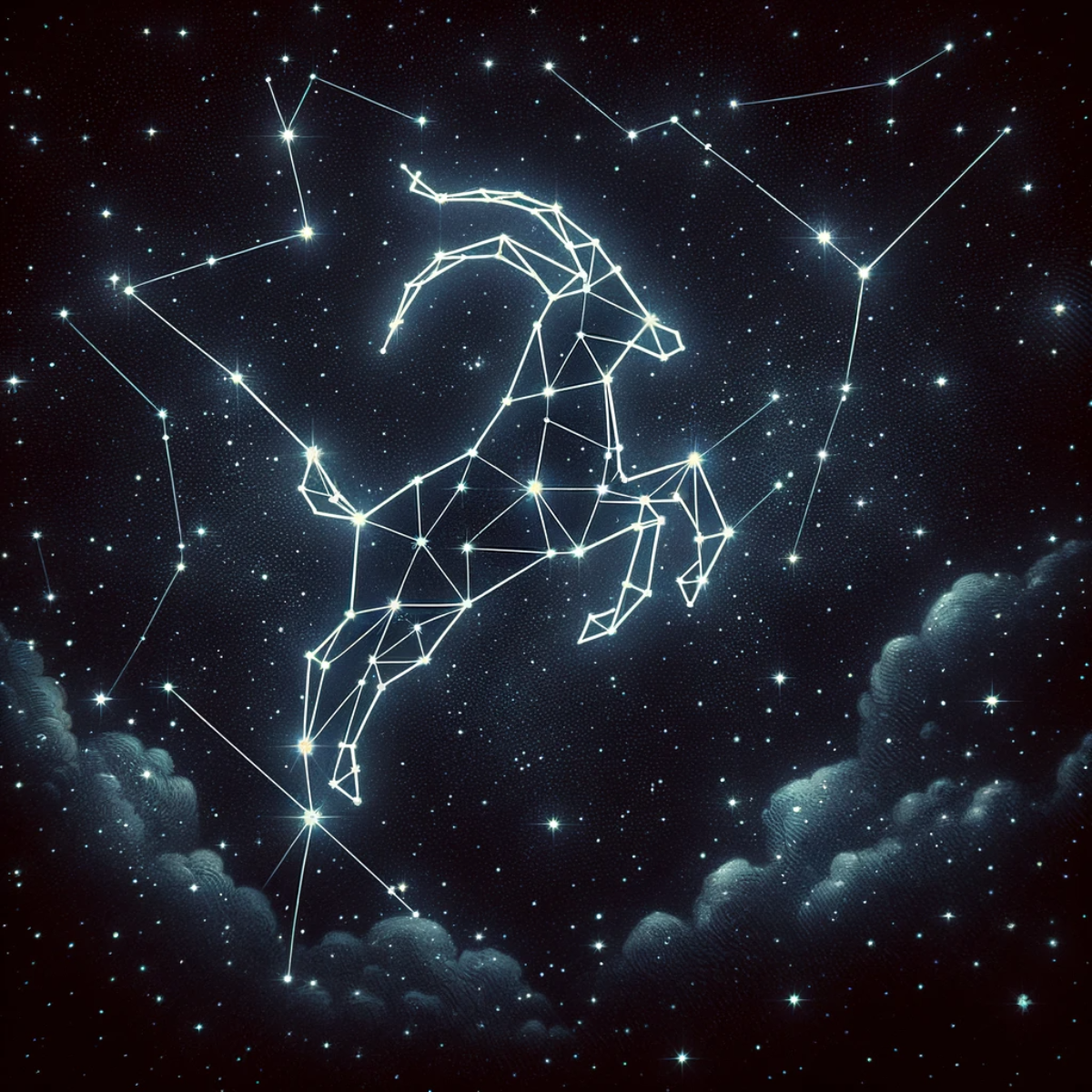
This deep connection to the cosmos explains why so many ancient stories, myths, and beliefs were inspired by the stars. Before the era of digital streaming and Netflix, it was the celestial sky that captivated human imagination. Makar Sankranti is one such celestial event deeply rooted in tradition and astrology. In a rare deviation this year, it fell on January 15th instead of the usual 14th, a testament to the subtle shifts in our calendar system. Each Sankranti in Hindu astrology signifies the Sun’s transit through a new zodiac constellation. To visualize this, as the Earth orbits the Sun, different groups of stars—what we call the zodiac constellations—appear to be behind the Sun. While the Sun and stars remain relatively stationary to us, it is the Earth’s movement that creates this celestial dance. This apparent journey of the Sun against the backdrop of stars repeats every 365.23 days, marking a year in our lives.
This leads to a simple yet profound realization: every day in our Gregorian calendar holds significance. Throughout history, humans have imbued each day of Earth’s orbit around the Sun with meaning. Whether it’s the day the Sun passes through Capricorn or when it’s at its furthest or closest point to Earth, every day carries its own unique importance. This understanding brings a liberating insight: if you’re seeking a day to initiate personal transformation, there’s no need to wait for a special occasion. Any day you choose for your journey is essential, resonating with significance to someone, somewhere in the world.
Therefore, there’s no longer any justification to delay the transformation you seek. As I write this on January 16th, a leap year, we have 350 days left — what a beautifully round number! Today is not just any day; it’s the feast day of numerous saints, National Religious Freedom Day, and the historic day when, over a century ago, Shackleton reached the true magnetic South Pole. The significance is undeniable. And if you’re reading this on the 17th, it’s the day James Earl Jones was born – how remarkable is that! Every day is a treasure trove of historical milestones and personal significance. So, why wait? Today, whichever day it is, is the perfect day to embark on your journey of transformation.
It’s a common habit to postpone personal improvements until what we deem as ‘special’ days — New Year’s Day, birthdays, or other significant events. Yet often, these days come and go, and we find ourselves waiting another year for the next ‘right moment.’ The truth, however, is far more empowering: any day can become special the moment you decide to make it so. Start now, and mark this day on your calendar. If you persist in your efforts, this day will become a milestone in your life, your own personal New Year. Remember, every day the Earth revolves around the Sun is another chance for transformation, and it’s never too late to start.