


Day 339 – Story Telling is Our Stewardship
The author reflects on the importance of storytelling after witnessing his daughter receive an award for her perseverance. He argues that stories are crucial for passing down wisdom and experience across generations, preventing the loss of valuable lessons learned through life’s challenges.
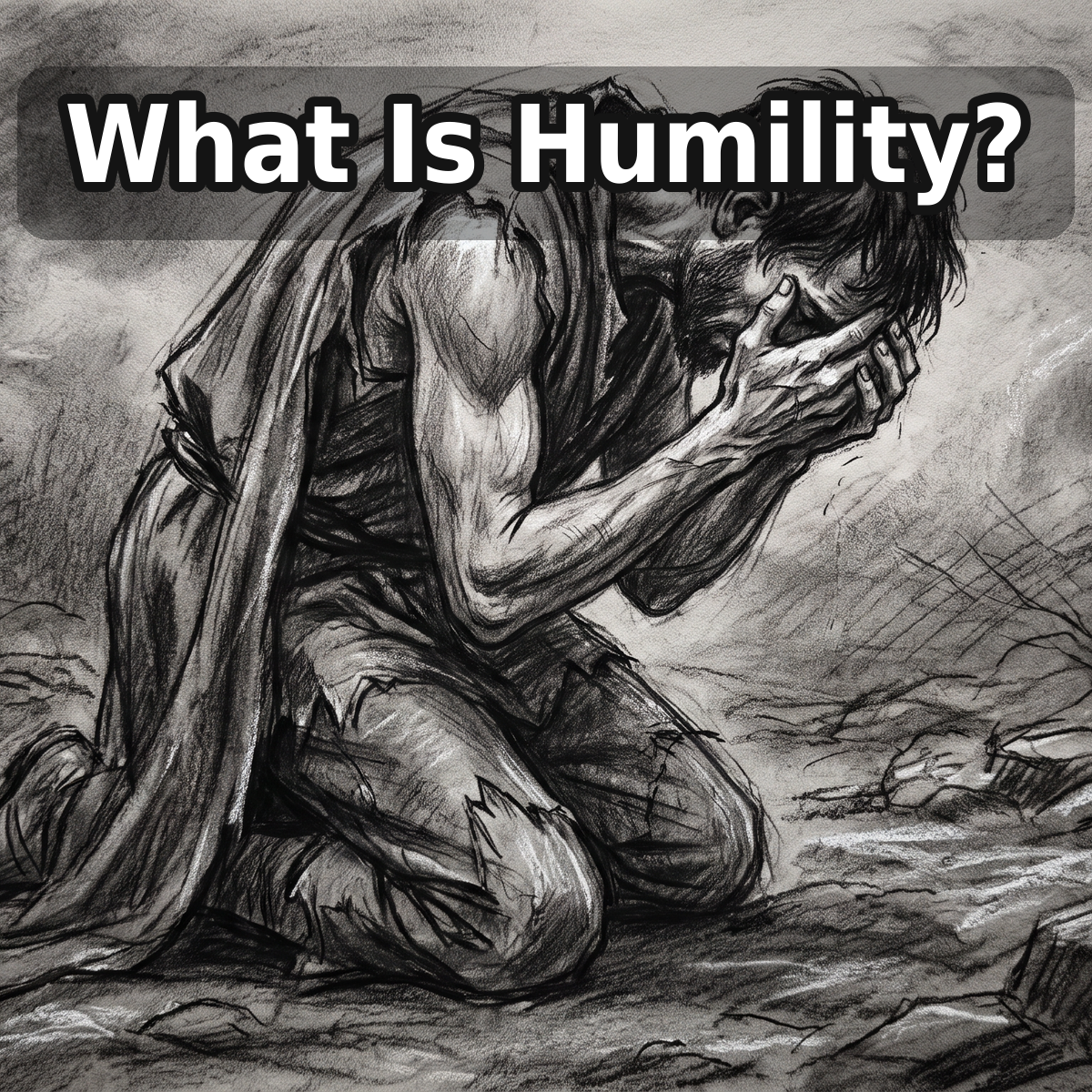
Day 338 – What Is Humility?
Humility is often misunderstood as self-abasement, but it’s actually the ability to accurately perceive oneself, including strengths, weaknesses, and dependence on others. This perspective allows for easier learning, improved judgment, and better interpersonal relationships. Humble leaders foster open communication, and embracing humility can be incredibly freeing.

Day 337 – Principle Artifact Confusion
The author draws a parallel between the barefoot running craze and the current hype around AI coding tools, highlighting the danger of “Principle–Artifact Confusion.” This occurs when a sophisticated practice is reduced to a product, and the product is then mistaken for the underlying principle that made the original practice successful. The article emphasizes that AI should amplify good fundamentals, not replace them.
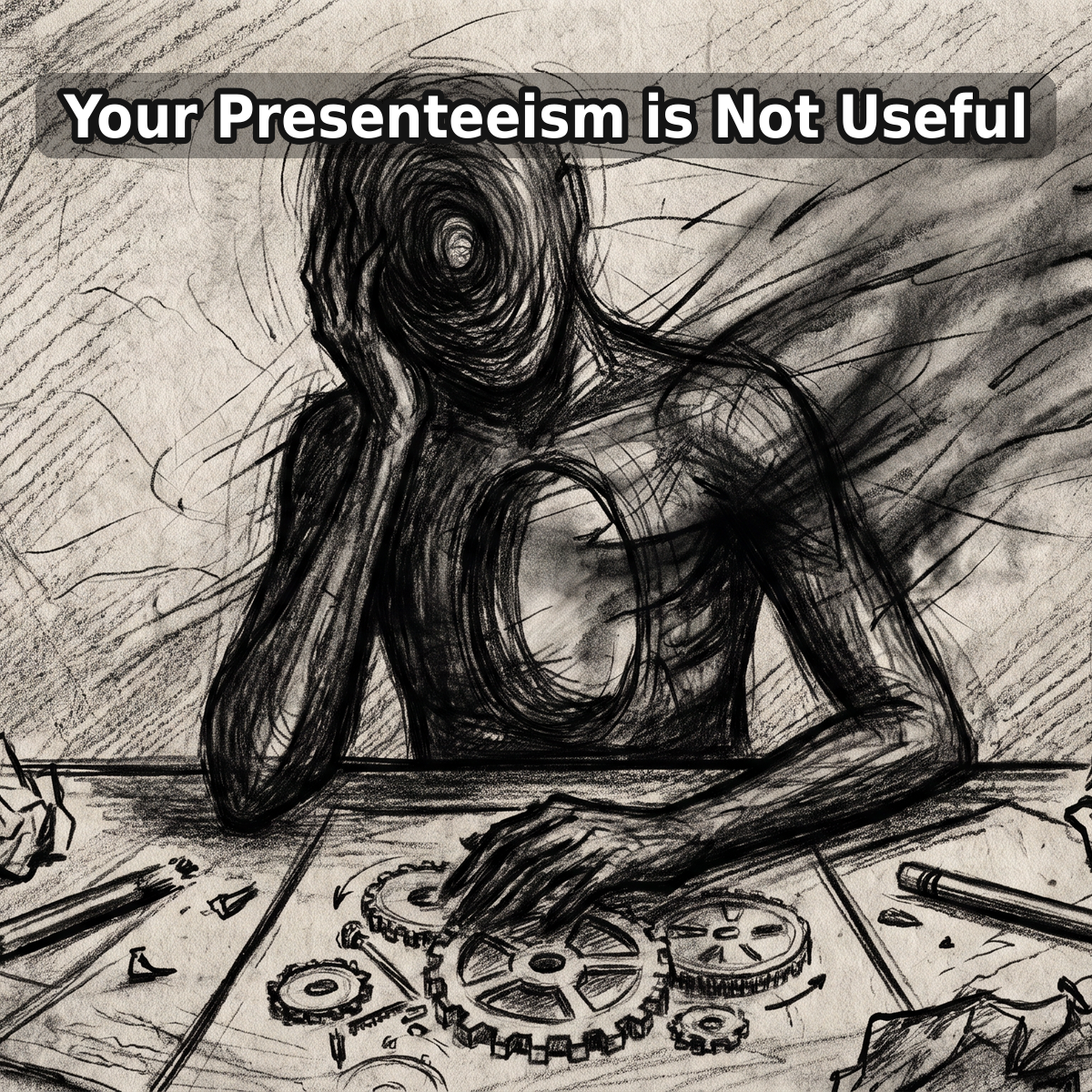
Day 336 – Your Presenteeism is Not Useful
This article challenges the common belief that simply being present at work, even when performing suboptimally, is beneficial. It argues that ‘presenteeism’ can lead to decreased output, increased mistakes, and prolonged recovery, ultimately creating a ‘recovery debt.’ The piece advocates for deliberate rest as an investment in future productivity, emphasizing that true recovery involves activities like sleep, proper nutrition, and disconnecting from work, rather than passive leisure.

Day 335 – A Life is a Story, Not a Snapshot
This article explores the danger of judging a person’s worth based on their current circumstances, likening it to viewing a life as a snapshot rather than a long trajectory. The author shares a personal anecdote about photographing a homeless man in high school and reflects on how easily we reduce individuals to their present condition. The piece emphasizes that human value is not a snapshot and should not be solely tied to current productivity, advocating for a recognition of a lifetime’s accumulated worth.

Day 334 – A Lucky Day
While waiting in a long pharmacy line, the author reads the story of Richard Laver, founder of Lucky energy drink, who survived a plane crash in 1985. This event, Delta Flight 191, sparked reflections on how pivotal moments can shape lives, airline safety, and the technological advancements of that same year.

Day 333 – Charlotte’s Window
The author describes their ongoing struggle to clean their garage, which has become a daunting task due to its overwhelming scope. They realize that their lack of motivation stems from task paralysis and decide to tackle the problem by focusing on small, manageable tasks, such as cleaning a single shelf, to build momentum.

Day 332 – We Need to Talk More
A recent study indicates a decline in daily conversations, particularly among those under 25. This trend is concerning because conversation is crucial for cognitive processing, reality calibration, emotional regulation, relationship building, identity formation, and the development of collective intelligence. Consuming language through media is not a substitute for active conversational engagement.

Day 331 – Are You in Control?
Humans have a unique ability to cope with uncertainty by creating an illusion of control, often attributing cause and effect to unrelated actions. This phenomenon, explored through examples like superstitions and personal anecdotes, suggests that while we may not have complete control over our environments, our brains are wired to find patterns and connections, even if they are not always accurate. This ability to fool ourselves into believing we have more control than we do can be beneficial, but it’s important to differentiate between actual impact and coincidental association.

Day 330 – Cognitive Magic Pills
The article discusses the phenomenon of “cognitive magic pills,” which are alluring solutions to problems often peddled on social media. It uses the example of cortisol being rebranded as the “stress hormone” to illustrate how these concepts gain credibility and lead people to believe in quick fixes for complex issues. The author encourages readers to be critical of such trends and to focus on understanding their own bodies and minds rather than seeking easy solutions.
What People Are Saying