A popular phase a few decades was the idea that you should not wrestle with a pig because you both get dirty and the pig likes it. This quote has been attributed to many people, but not sure if anyone of them actually coined it. Sounds like something Mark Twain would say in my mind. However the concept is interesting. Too often we find ourselves in an argument or a battle over something with an antagonist. It is easy for us to fall into that battle, without realizing that we have landed ourselves on their turf and no matter the outcome the opponent wins.

Difficult is the task of knowing when this is happening so that you can choose to avoid the conflict all together. How much time do we spend in arguments and contention that never will result in a positive outcome for us? I mean, if there is no good outcome, why fight it?

Guy Reams
Subscribe
Notify of
guest
0 Comments
Inline Feedbacks
View all comments
Share the Post:

Recent Blogs

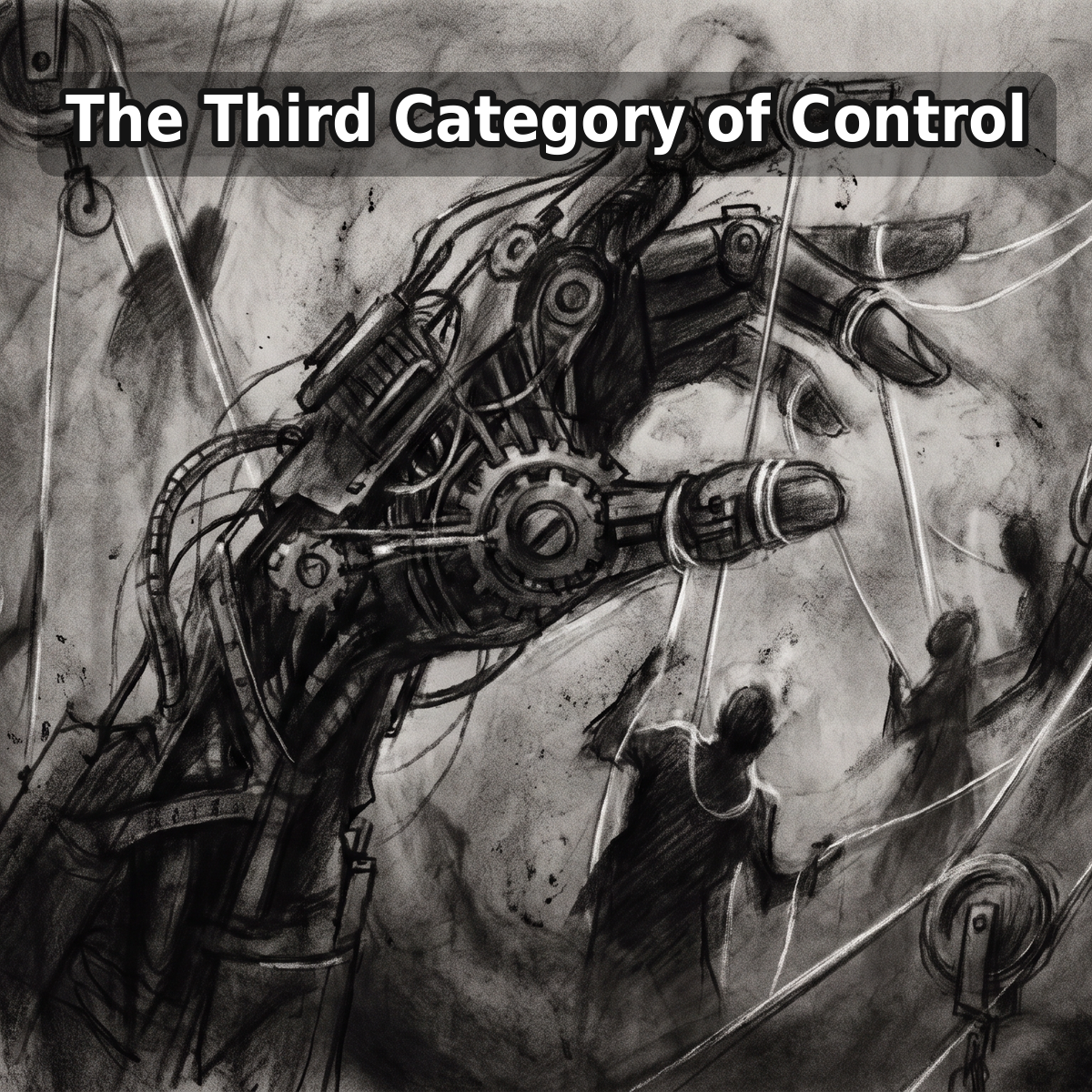
Day 3,208 – The Third Category of Control

This article explores a refined Stoic concept, expanding on Epictetus’s idea of controlling what you can and not worrying about what you can’t. It introduces a third category: what you can influence, which is crucial when desired outcomes depend on others.

Read More

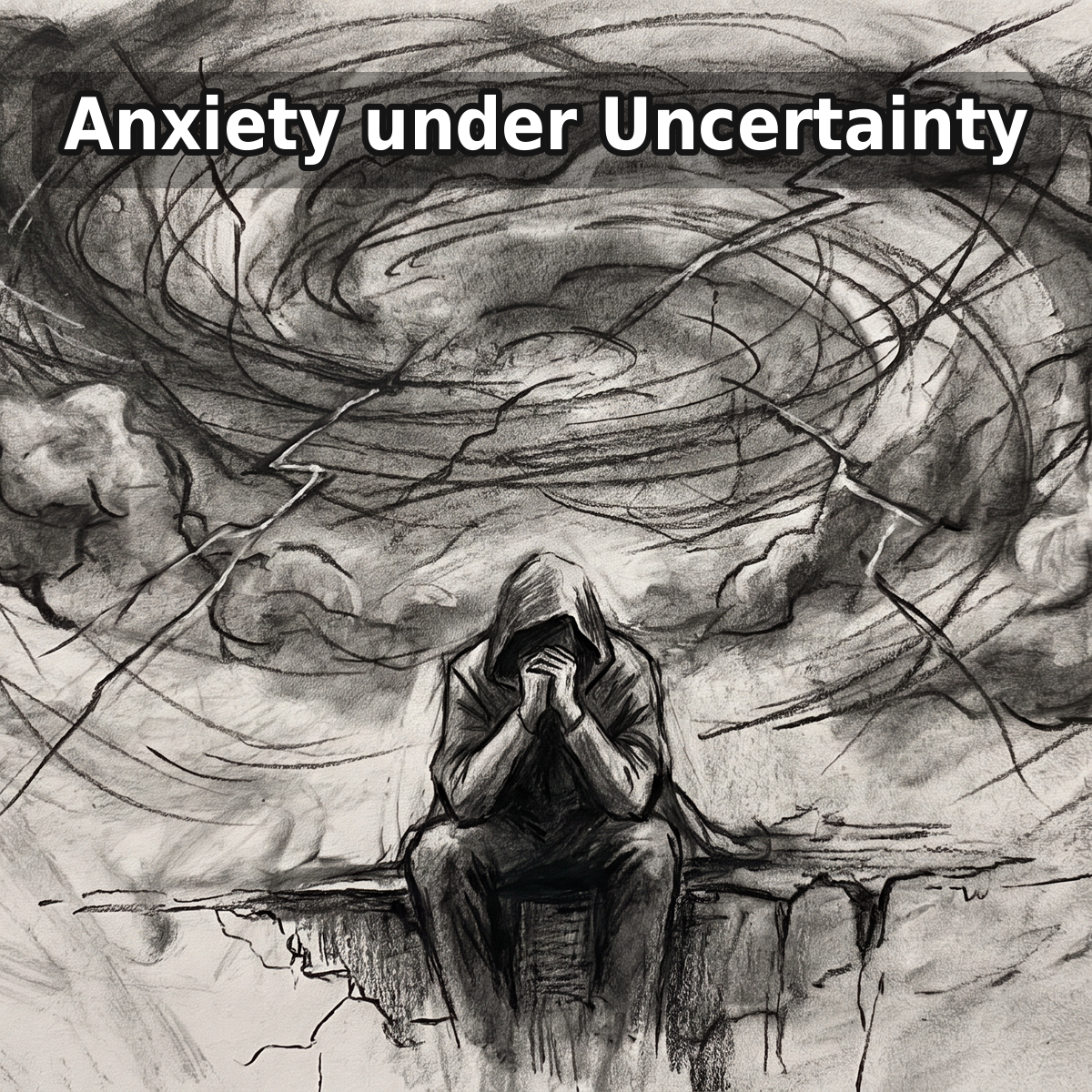
Day 3,207 – Anxiety under Uncertainty

This piece explores the anxiety that arises from uncertainty, explaining how the brain interprets unpredictability as danger and generates negative scenarios. It emphasizes that thinking harder doesn’t always lead to certainty, but often to more anxiety. The key takeaway is to recognize that a thought about a possible future isn’t evidence it will happen, and it’s okay to let things be uncertain.

Read More

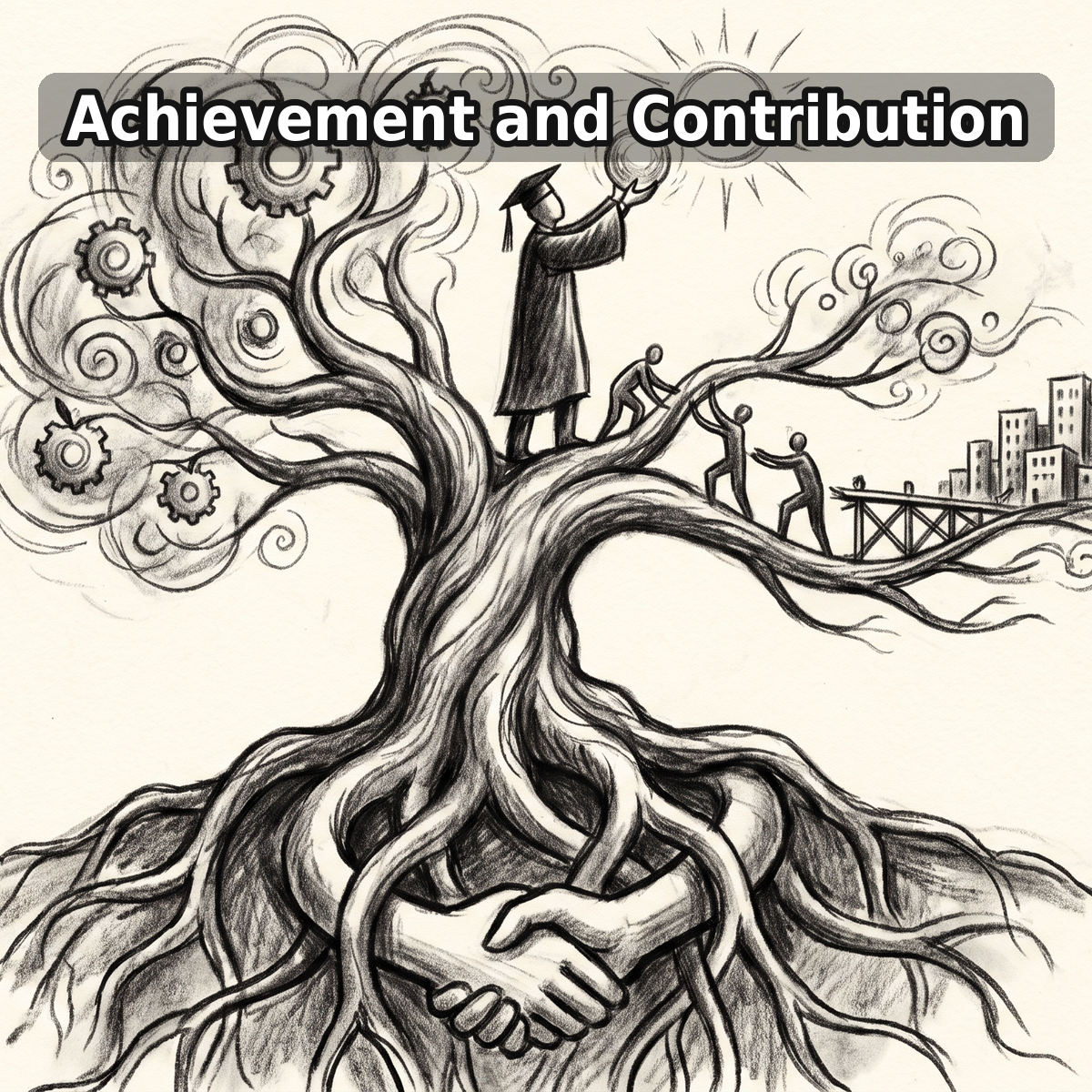
Day 3,206 – Achievement and Contribution

The author shares two daily questions that help focus on achievement and contribution, leading to a sense of purpose and well-being. This approach, combining personal progress with helping others, serves as an anti-anxiety recipe and a path to living well.

Read More

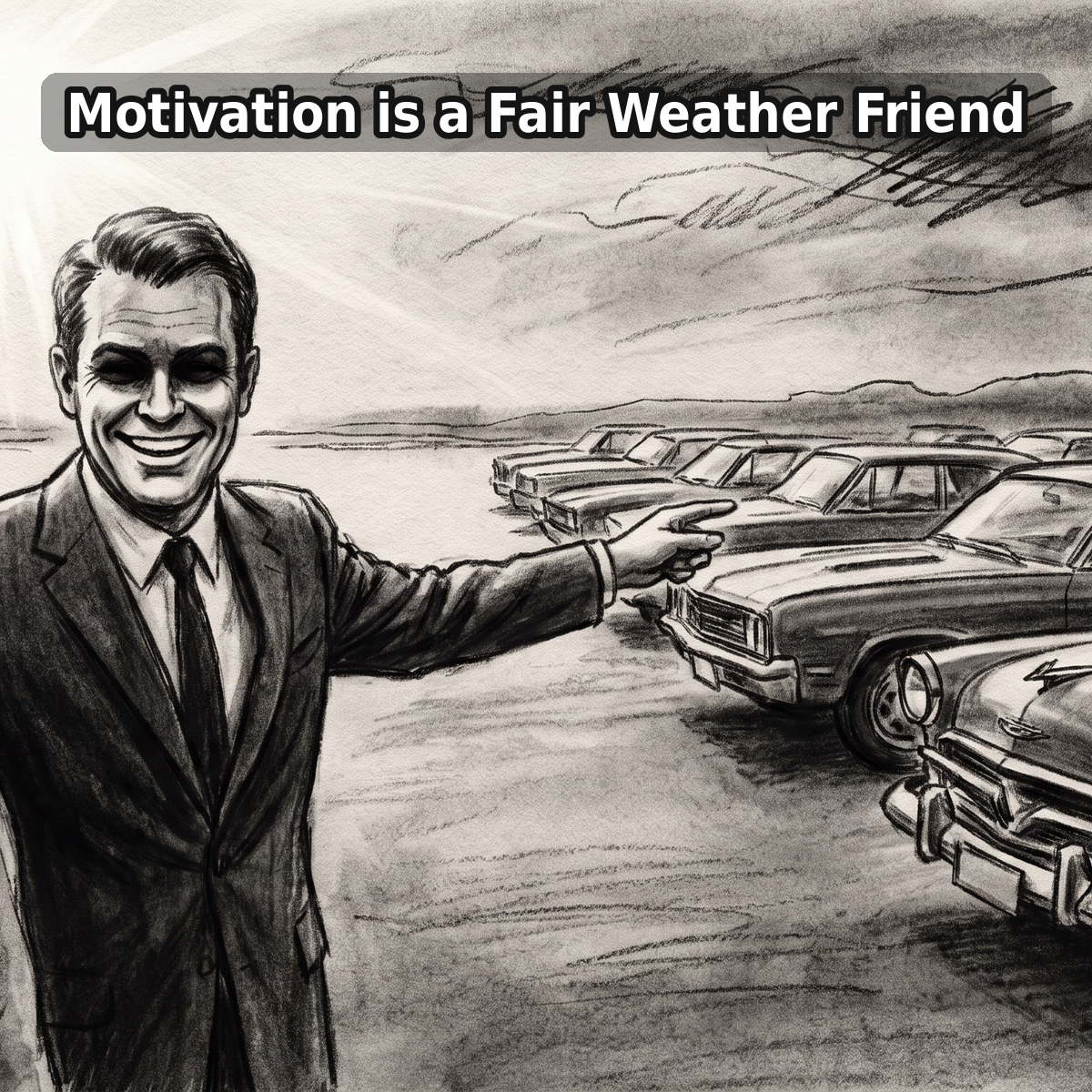
Day 3,205 – Motivation is a Fair Weather Friend

This article emphasizes the importance of building systems that can withstand failure without collapsing entirely. It argues that continuous improvement, rather than striving for a perfect system or constant reinvention, is the key to progress. The author suggests that viewing failures as information for refinement, rather than reasons to give up, fosters an environment where habits can thrive.

Read More
0
Would love your thoughts, please comment.x
()
x