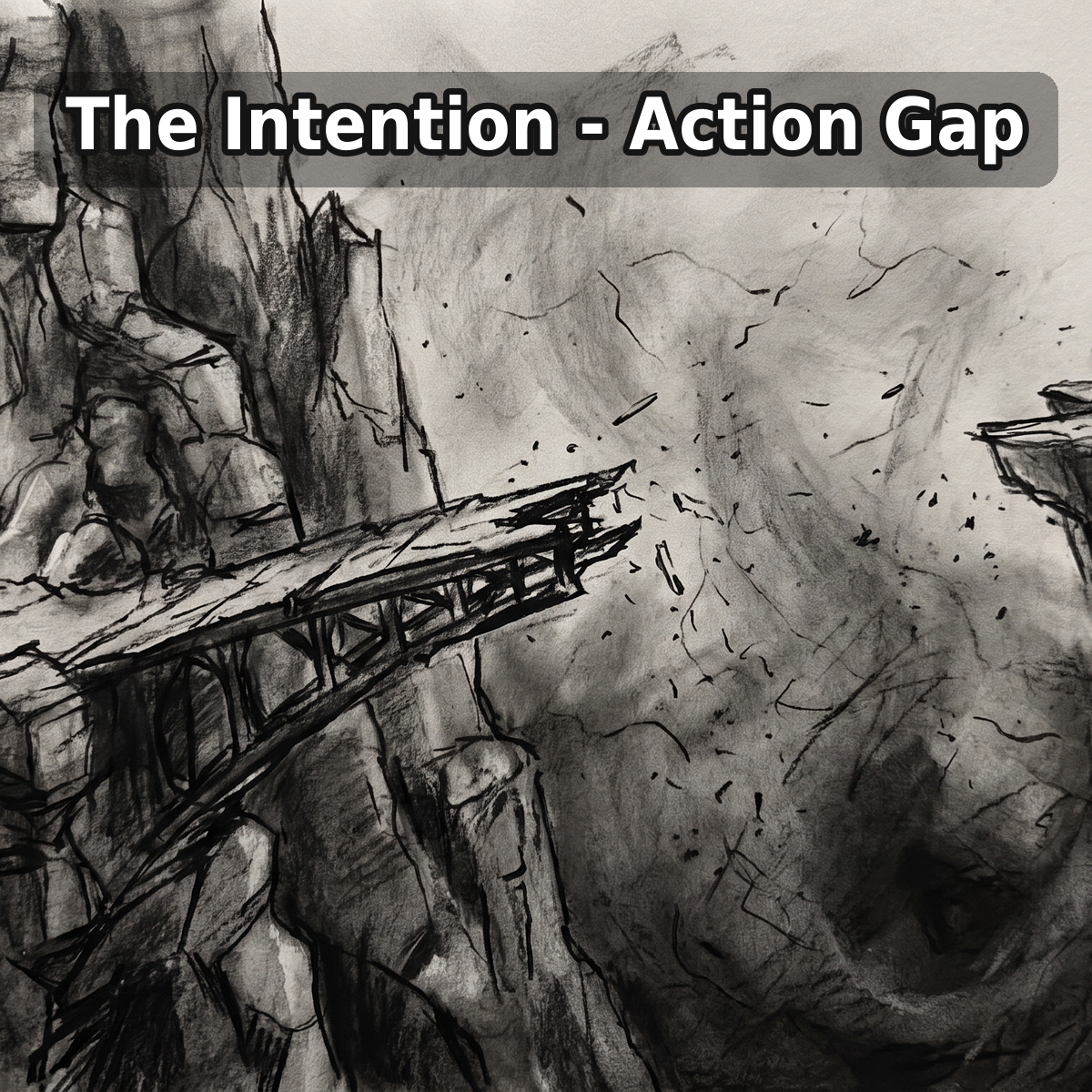
You do not find peace. You do not, after a long life struggle suddenly find peace. A life spent in struggle will most likely end in struggle. Peace is not found, it is not discovered, it is chosen. You choose peace. If you want to be calm, relaxed, content then you must choose to be so. If you are waiting around for that to happen, it will not. You must make it that way. You have no one to blame for your lack of peace, other than yourself. There are times when are circumstances change out of our control, that happens suddenly and often times tragically. However, all other times, we are absolutely in control of how we respond.

Guy

Subscribe
Notify of
guest
0 Comments
Inline Feedbacks
View all comments
Share the Post:

Recent Blogs

Day 306 – The Zeigarnik Effect

The article explores the psychological relief gained from writing down unfinished tasks and concerns, linking it to the Zeigarnik Effect. It explains how externalizing thoughts through writing can free the mind from constantly remembering and worrying about unresolved issues, allowing for greater mental peace and the ability to conclude the day effectively.

Read More

Day 305 – The Treasure He Never Found

A young man spends his life chasing riches, fame, and glory, only to find repeated failures. In his old age, surrounded by his loving family, he realizes that the true treasure he sought was not in external achievements but in the relationships and character he built along the way.

Read More

Day 304 – Repeat What Forms You

This article explores Jesus’ teaching on “vain repetitions” in prayer, arguing that repetition itself is not the problem, but rather the intention behind it. It differentiates between repetition as formation, where the practice changes the individual, and repetition as transaction, where one attempts to influence God. The piece emphasizes that true spiritual repetition helps us return to core values and shapes our character, rather than being a means to earn God’s attention.

Read More

Day 303 – Reinforcement of Present Bias

Present bias is the tendency to favor immediate rewards over larger, delayed benefits. This behavior can become habit-strengthened through repetition, making immediate choices feel automatic and future-oriented choices more difficult. Understanding this self-reinforcing loop is key to overcoming it.

Read More
0
Would love your thoughts, please comment.x
()
x