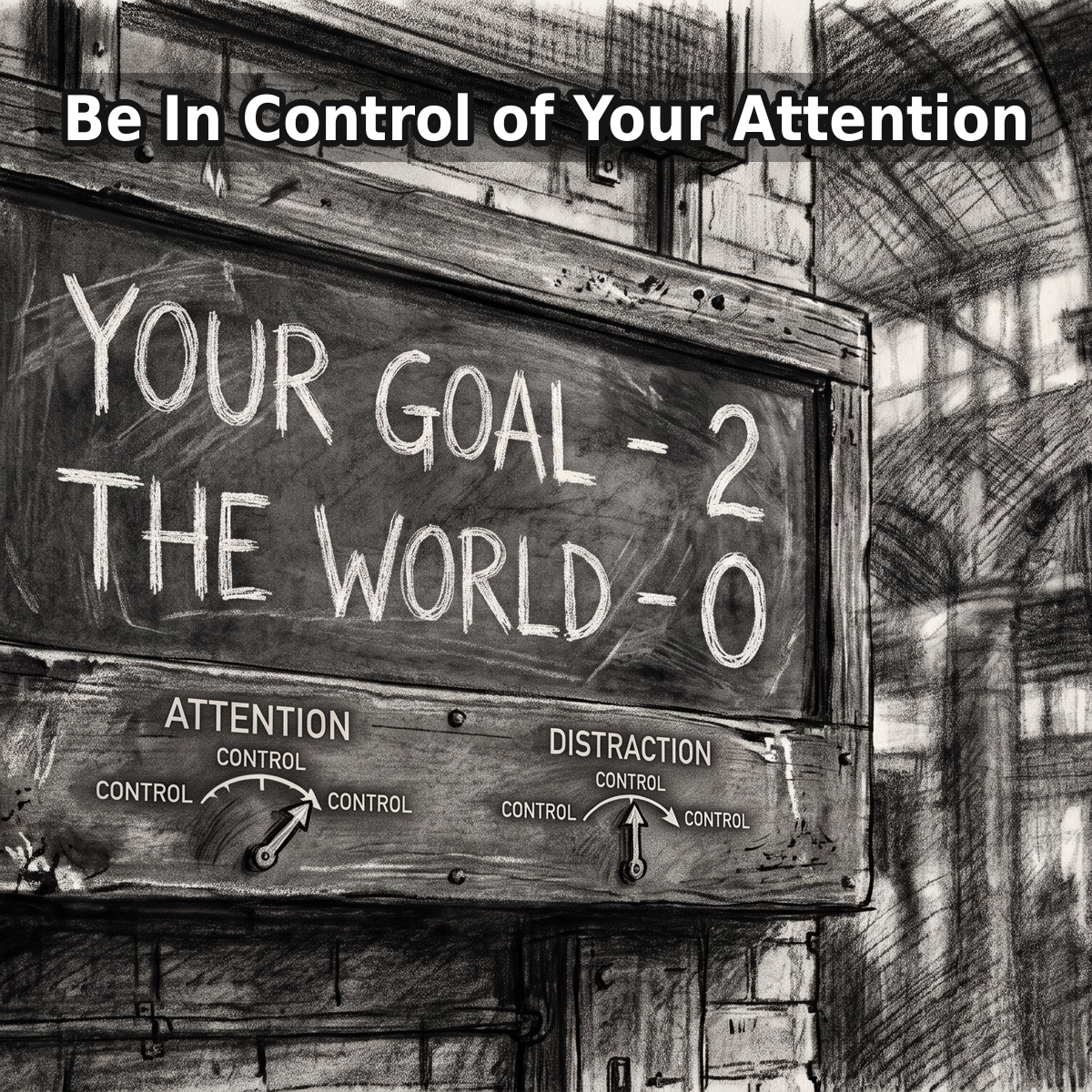
There is a tendency in life and in business to set goals that we can easily achieve. This makes us feel better about taking on a challenge that we know that we can win. However, I believe this is castrating the bull. Goals are really powerful when they are unobtainable. You think humans would not want to pursue a goal that they cannot reach, but if you just examine all the major world religions, you will realize that humans WANT goals they cannot achieve. However, the goal itself is not enough. This article reviews this concept and explains how to make the impossible something that you will constantly strive for even though you constantly fail.
Reward System
Any good goals will have a corresponding reward system. I learned this at a sales conference. The leader ran out on the stage, and the first topic he was to address was the aspiration for the company that year. The growth rate of the company would set how everyone would get paid. The lower the rate, the more likely people would hit targets. When the leader yelled out a low number, something like 2% growth, the salespeople in the room looked deflated. They were all staring at each other in disbelief. All the excitement immediately left the room. I could not understand why. The low number would mean everyone would have an easy job hitting their targets, which their bonus structure was tied to. Then I realized what was happening. Yes, there was a reward system, but the actual reward amount was not that exciting. So, if you set a lukewarm goal with a lukewarm reward system, you will get a lukewarm effort and, consequently, lukewarm growth. Rather, an impossible goal with a spectacular reward system would get that same team fired up—a lesson learned in setting goals.
To watch my video on this subject click here
Failure Causes Growth
Another similarity to this concept is when you are doing strength training. When you lift weights, the desire is to work the muscles to the point of failure. This causes muscle tissue breakdown, and then the fibers need to repair themselves. They grow stronger, and as a result, you can lift more and for more repetitions. So, you actually are working to fail. I think this is true of any organic system. Organic systems thrive when they are under pressure and seemingly respond with a force equal to or stronger than the force they are resisting. Think of all the various cultures in our world that have been under persecution, struggle, and genocide. Those people seem to rally and, over time, become strong and resilient. My rose bushes in my front yard. Every winter, I hack them down to a few stems, and without fail, the next spring, they come back with a beautiful intensity. When we set out to improve, it is important to consider this concept. You should not be setting your sights on achievement but rather failure.
A Mental Change
When you are striving to fail, you have entered a new mindset. The mindset that wants a guarantee of success will never take risks, never take on new opportunities, and will tend to do whatever it can to just get by. The lethargic lifestyle is rooted in a whole series of completely obtainable desires. The new mindset, the failure mindset, embraces the opportunity to try. To improve. You want to test your abilities against a greater challenge. By failing, you learn. By failing, you grow. With each stretch and with each attempt, you gain strength.
We should learn not to be afraid of failure but rather embrace it. We should seek to reward those who fail and encourage them to try again. Yes, the sales leader should have wanted an entire team dedicated to the singular purpose of failing. We should want to push ourselves to the breaking point and then just a little bit further. This is how success occurs. This is the correct attitude. Set impossible goals where failure is the only way that you can eventually find success.