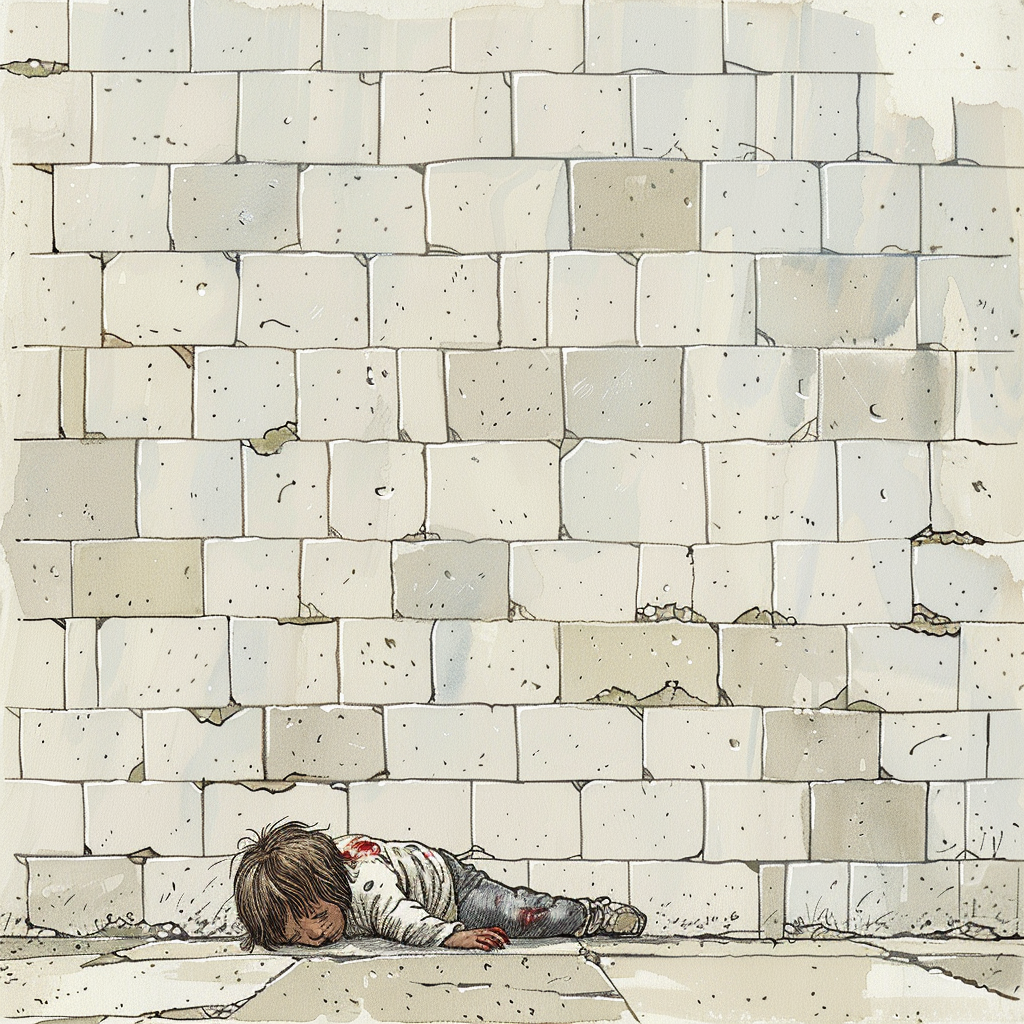
Discovering “The Wall”
When I was young and riding a school bus to elementary school, the album by Pink Floyd called “The Wall” hit the market. The songs were not as popular as “Call Me,” by Blondie or other songs by Michael Jackson, Queen, or KC and the Sunshine Band. However, by the time school started in the early spring of 1980, “The Wall” was mainstream. I remember vividly, one of the rebels in the 6th-grade class sneaking a portable cassette player into the back of the bus and playing “Another Brick in the Wall, Part II” as loud as that little speaker could handle. Soon enough, we were all singing along with gusto, “We don’t need no education! No dark sarcasm in the classroom. Teachers! Leave those kids alone!” That year, I would have some bizarre dreams, one of which was me getting chewed up by a meat grinder as I was strapped onto a conveyor belt heading into the 5th-grade classroom.
A Personal Struggle with Migraines
That was not what I remember the most, however. During that school year, I had a series of migraine headaches that were crippling, to say the least. I spent some time at home and in the doctor’s office. I even had a few therapy sessions to learn to calm down and relax in the hope that it would help ease my headaches. Another song from “The Wall” was getting airtime as well. This song was called “Comfortably Numb,” and in this song, Roger Waters makes a reference to a childhood fever that he had. I could relate, and that song instantly became a reference for me as I struggled with these miserable headaches. Many people tried to tie the song lyrics to drug overdose or references or symptoms of childhood adolescence. However, I knew the truth. My hands felt the same way at times, numb and feeling like balloons. The headaches were so severe that I felt I was in the same condition that Pink was in the album’s story. This had quite an impact on me, as it was the first time a physical ailment like this had crippled me so harshly.
Reflecting on the Future and Ambitions
During this time, I also started to think about the future and what I could do and what I could be. I had some vague notion of what I wanted to do. I was enthralled by politics as my mother was involved in a few campaigns. The transition from Carter to Reagan got a lot of press coverage, and the country was certainly going through an interesting transition. Moving from disco fever and hippie peace and love to hedge funds and celebration time with Kool and the Gang. Instead of movie night, we watched the hostages get freed from Iran. The country was hurting from inflation, high gas prices, crippling debt, tumultuous markets, an overly aggressive Iran, fear of Nuclear War with Russia, an extremely divided country, war fatigue, and too much involvement in overseas conflict. Wait a minute? That sounds eerily like 2024! So naturally, I was thinking about the future, my destination in life, and what I would become.
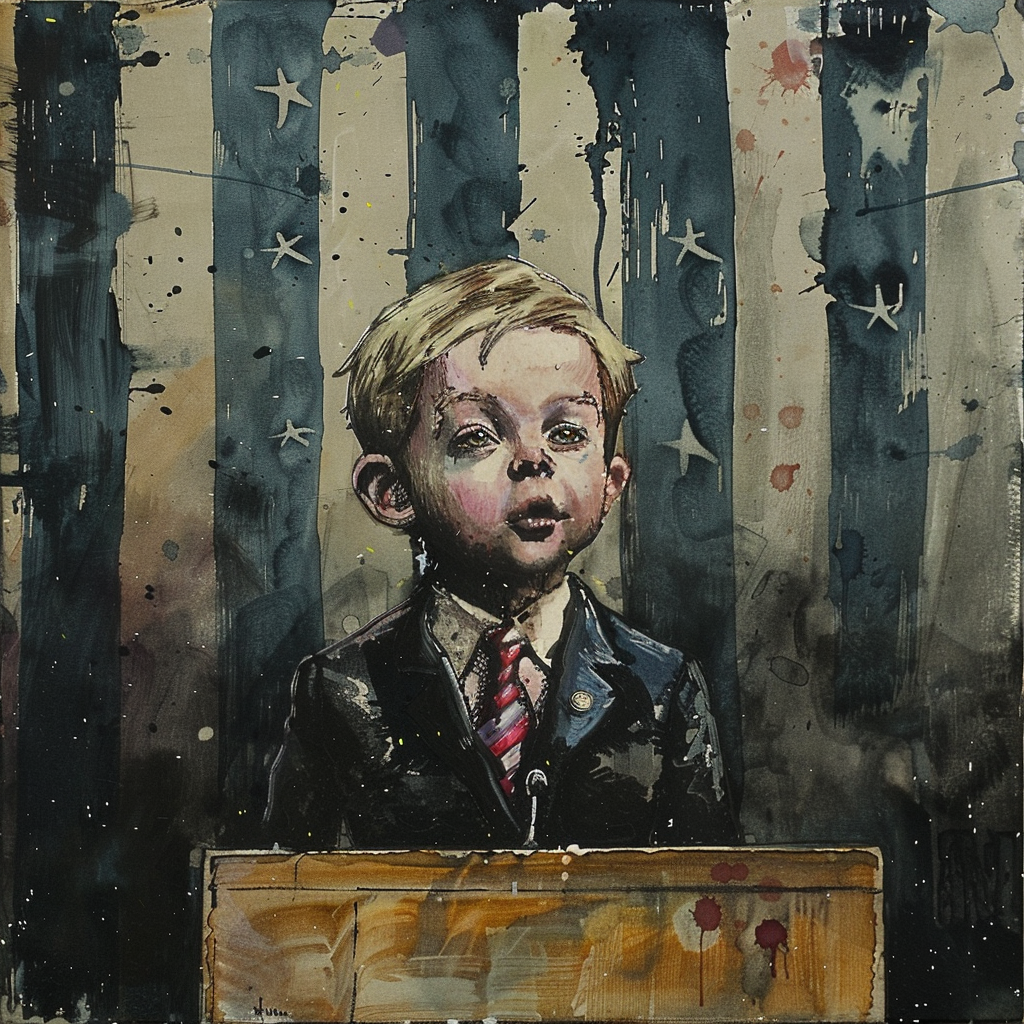
I came up with a rough outline. I was going to be President of the United States when I turned 35 years old, and I figured out what the progression would have to be for that to happen. From then on, when adults would ask me what I was going to be when I grew up, I would say “President.” That stayed with me for a while. My senior year of high school, one of my friends stole that ambition for the phrase he would put under his senior photo. So, instead of President, I put “uncontested ruler of the western hemisphere.” After all, who knew how long the United States would survive anyway, right?
Revisiting Childhood Dreams
I heard a motivational speaker say one time, “You should pursue your childhood dreams.” The essence of the talk was that a source of unhappiness in life was that you were pulling farther and farther from childhood ambition. His claim was that returning to these childhood fancies was a secret to unlocking untapped potential and getting closer to your true vocari or purpose in life. I have often thought about this. I think I am similar to most people in that I do consider this to be a good idea. I want to believe that my childhood dreams, albeit naive, were an honest reflection of who I was or who I could be.
However, what if my childhood brain was just not fully developed? What if I was just way too influenced by those around me and not enough of myself? What if that fever I had as a child caused me to be delusional in my thinking? What if, in actuality, my childhood passions were just that, children’s tales? I mean, if we were really to get to the heart of my childhood whims, then I would be an explorer taking vast and epic journeys into the wilderness. I would live like John Muir, sleep in a log at night, and hunt wild boar with only my pocket knife. I mean, seriously, how far do we want to take this notion of a childhood dream? I think I have a better idea.
Learning from Life’s Journey
Perhaps we should not discount the valuable lessons we had while growing up. Perhaps we should not discard so lightly the great chasms we had to cross into adulthood. The failures, the near misses, the losses, and the wins. Perhaps I should consider for a moment the fact that the fever did pass, that I survived and, more importantly, I have learned a few things along the way. I now know where that dark sarcasm was coming from, and yes, I too built that wall. Now, after decades of careful construction, I smashed that stupid wall down and now I am living free and me as I truly am. I am not cowering in fear or hiding under a blanket. I am not chasing rabbits or playing with the red ant hills in my backyard. Instead, I am building, growing, creating, and using what I have learned these past 50 years to do great things (or at least try).
Embracing the Future
So, the childhood fever was just that. A fever. I overcame that. I learned. I grew. I am still that same young boy, but different now. Stronger. Wiser. I do not need to look to the past to find some hidden meaning in the fancies of my youth. Rather, I should look forward to the promise and reality of what is before me. Always growing, ever expanding, the hope that it is to be human and to be alive.