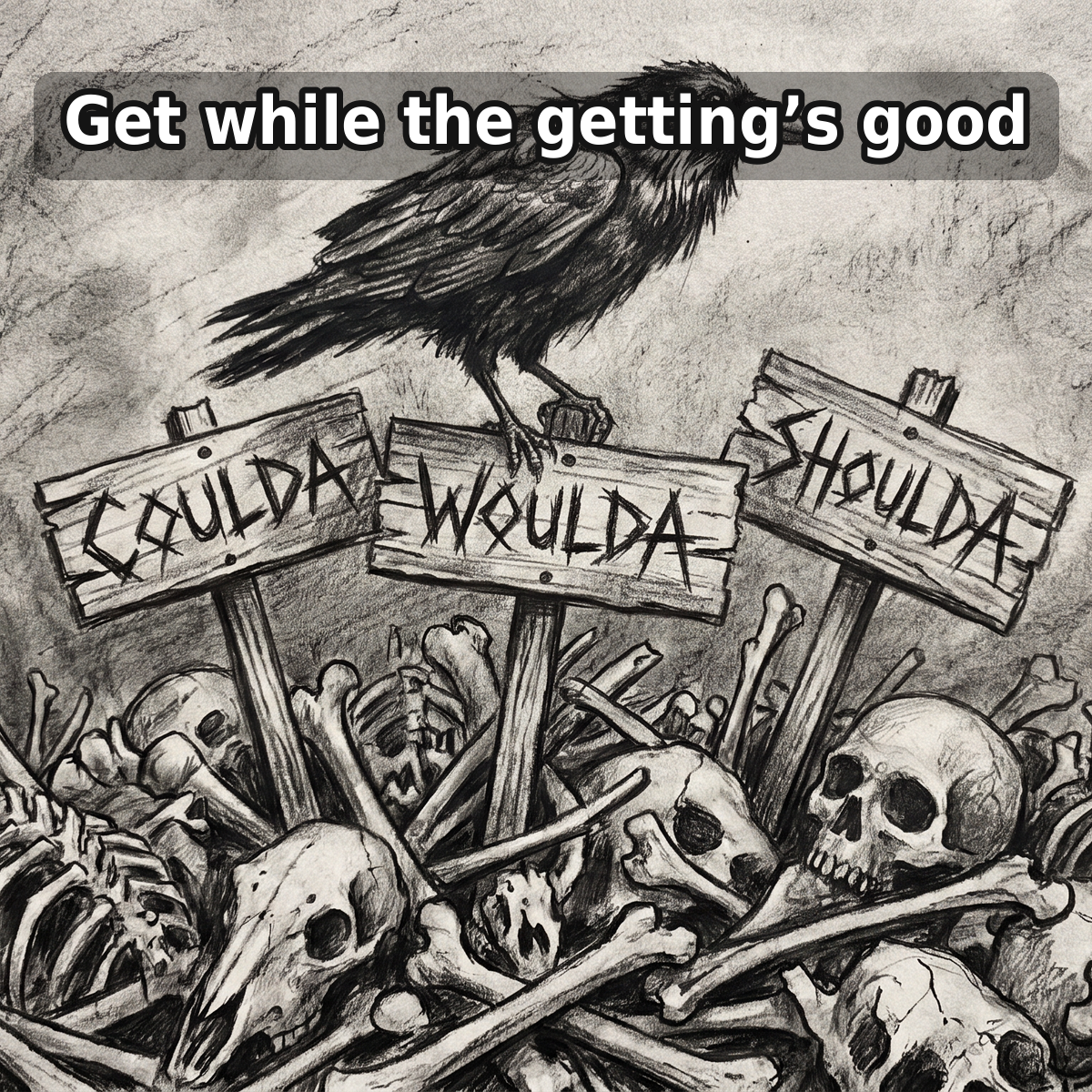
Day 33. I’ve been thinking a lot about the cycle we go through when we fail. It’s something we all know all too well. We set out with big plans, we’re pumped, and then… we fall short. Suddenly, we’re in this strange place where our hopes and the reality of our results are in two different worlds.
Here’s what I’ve noticed: every failure we experience comes with a cycle of recovery. And this cycle? It has five stages that look a lot like the phases of grief. I’ve come to call it the “Defeat Cycle.”
1. Denial or Shock
First, there’s that gut punch. It’s the initial shock, that disbelief, and the thoughts that run through your mind. “Did this really happen?” “I didn’t just mess that up, did I?” Denial sometimes comes as replaying the events in our heads. It’s almost like we’re numb.
2. Pain and Emotion
Once the shock clears, we start to feel the weight of what happened. Disappointment, frustration, even a sense of loss. We realize how much this goal or commitment mattered, and that sting is real. This phase is where our expectations collide with reality, and it hurts. But I’ve found it’s critical to just allow those feelings to surface. Recognize them, but don’t get stuck in them.
3. Reflection and Learning
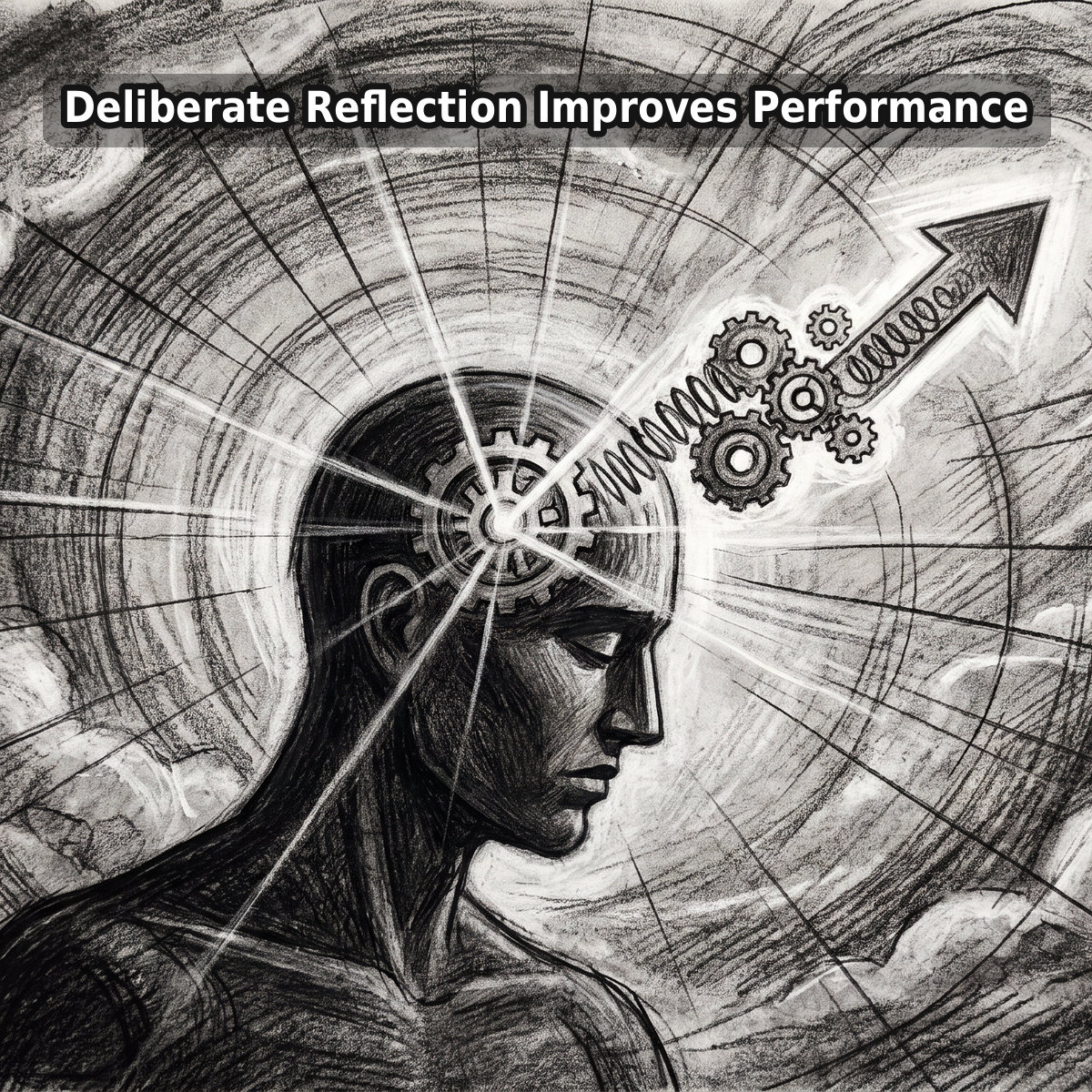
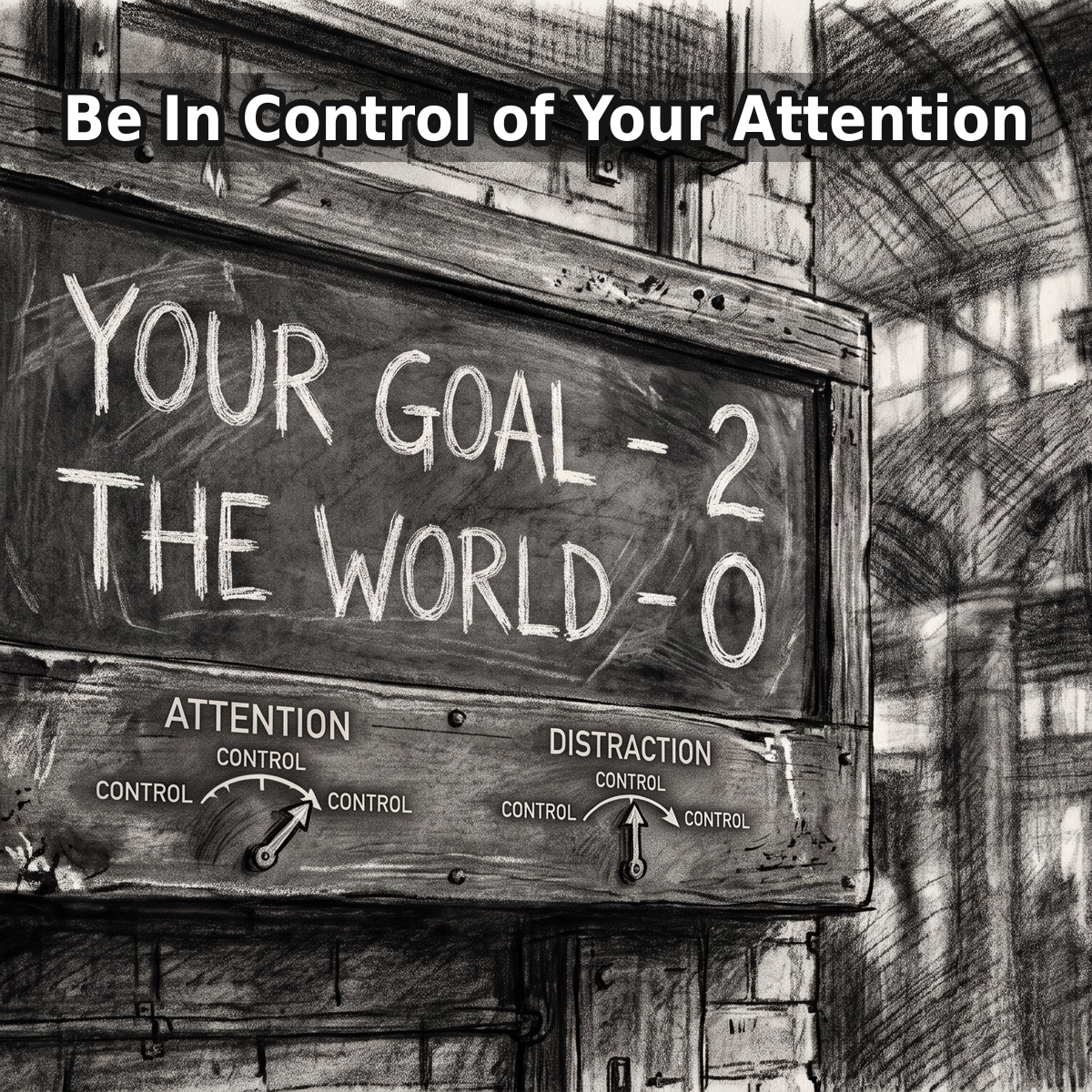
The third stage is the turning point. Here, I sit down and reflect on what happened. I ask myself two questions: What’s under my control? and What can I do differently tomorrow? This isn’t about assigning blame—it’s about finding the way forward. We have to be honest with ourselves without being too hard on ourselves. Sometimes, we fail because of things beyond our control, like when I got sick recently. So I don’t beat myself up over those days. I ask, What can I learn?
4. Acceptance and Recommitment
Then comes the part where we make peace with what happened. I go back and remind myself why I started. I’ll look at my goals, the reasons I committed in the first place. I even visualize the steps it will take to get there. Recommitment is about rekindling that fire, finding the motivation again, and accepting that setbacks don’t change my ultimate goal.
5. Taking Action Again
Finally, it’s time to get back up. But here’s something I’ve learned along the way: sometimes, failure means we’re taking on too much at once. So instead of trying to go full-throttle, I focus on small, achievable actions. Small wins add up, and they’re easier to build on than constantly trying to tackle massive goals all at once.
Speeding Up the Cycle – Failing Forward
What I’ve been working on is shortening this Defeat Cycle. What if, instead of taking days, weeks, or even months to move through these stages, we could fly through them in just a few hours or even minutes? When we allow ourselves to fail forward fast, it’s like hitting a reset button. Each time I come to the end of my day, I make sure to go through these stages quickly. I journal, I breathe, I reflect, and I get ready to try again in the morning.
This “fail fast” approach has become my personal superpower. Yes, I still fail, and no, it doesn’t feel great. But I don’t let it keep me down for long. If we can learn to let go of perfectionism and just focus on making progress, every failure becomes a stepping stone.
The truth is, resilience is a skill we can all build. Every day we get a little better at dusting ourselves off and trying again. And the quicker we get at this, the sooner we’ll be back on our path, stronger and more committed than before.