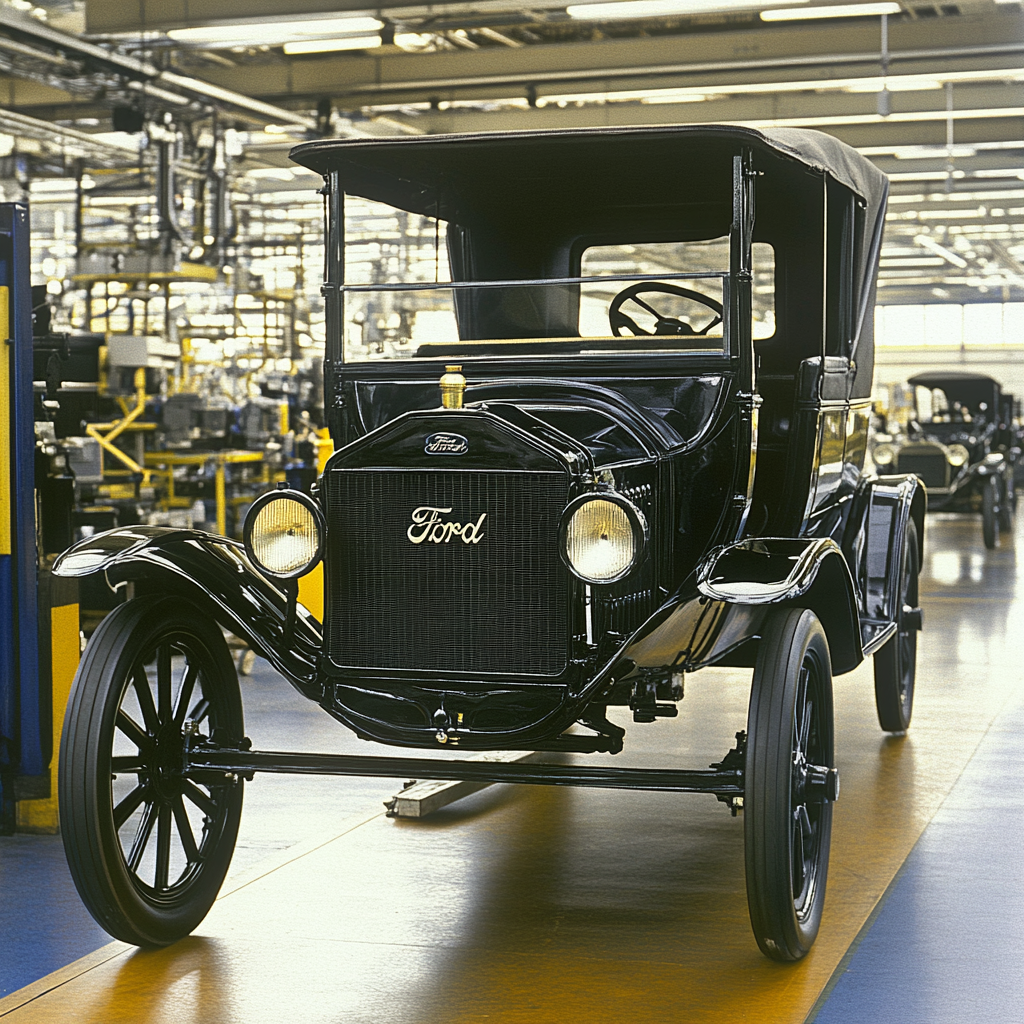
When we think about large companies like 3M, Ford, or HP, what stands out is that they didn’t just make one thing—they created a process for making things of value. Their success wasn’t just about the products they initially offered but about the systems and processes they built, which allowed them to continue creating value over time. It got me reflecting on how this approach applies to our personal lives and professional ambitions. If we want someone to part with their money, attention, or trust, we have to present something valuable, and that value doesn’t come out of thin air. It has to be built.
Recently, my daughter asked me for some money for an event, but instead of just asking, she offered to clean my car in exchange. She understood that when you’re asking for something—especially money—there’s a natural instinct to want to offer something in return. This idea of trading something for value is ingrained in us, even in the simplest interactions. But I think we often overlook the real lesson here: to create value, there’s work involved. It isn’t just handed to you.
A young person recently told me that college is unnecessary, that you can gain valuable skills outside of formal education. And sure, that’s possible—if you invest time and energy into developing a skill that people find valuable. But again, that’s the key: you still have to build that value. Whether through university or another path, the end goal remains the same. You can’t expect people to exchange their money, or their trust, simply because you exist. Value has to be earned, crafted, and proven.
In business, the lesson is clear: customers are willing to pay only when they believe you’ve taken the time to figure things out, to test and refine a product or process. Take consulting firms like McKinsey or Accenture. These firms are paid top dollar, not just for the person they send to help but for the years of collective experience, research, and framework that come with that person. When a client hires them, they’re not just paying for one hour of one person’s time; they’re paying for a polished system that has been honed over many years.
Even a product as simple as a Dyson vacuum embodies this concept. Dyson didn’t become a leader by claiming to be the best; they spent years refining thousands of prototypes, tackling common vacuuming issues head-on. When we buy a Dyson, we’re not just getting a vacuum cleaner. We’re buying into a legacy of dedication, expertise, and experience. The premium price is justified by the layers of value Dyson has built into every aspect of their design.
On a personal level, the same principle holds true. If I want to earn more or attract more clients, I need to build something meaningful. I can’t just declare my worth and expect others to buy in. Every successful pitch, sale, or job application is based on value built through experience, skill, and persistence. Think about any product or service that commands a premium price. Behind that product lies a value proposition built on countless hours of work, experimentation, and refinement.
So, as we move forward, let’s remember: value is not something we can fake or rush. It’s something we have to build. It’s earned through dedication, tested through experience, and proven through results. And when we commit to building real value in our lives, our work, and our relationships, the rewards naturally follow.