There’s something profoundly challenging about truly understanding the importance of rest. For me, it’s a lesson that keeps cycling back into my life, as if the universe is determined to hammer it into my stubborn mind. Maybe you’ve been there too—the relentless belief that productivity is only valid if it’s tangible, measurable, or visible to others. Growing up, I adopted the mindset that success came from outworking everyone else, from burning the candle at both ends, and then finding a way to light it in the middle too.
But here’s the thing: that belief system is a trap. It glorifies exhaustion and dismisses the very foundation of growth—recovery.
Rest Is Part of the Process
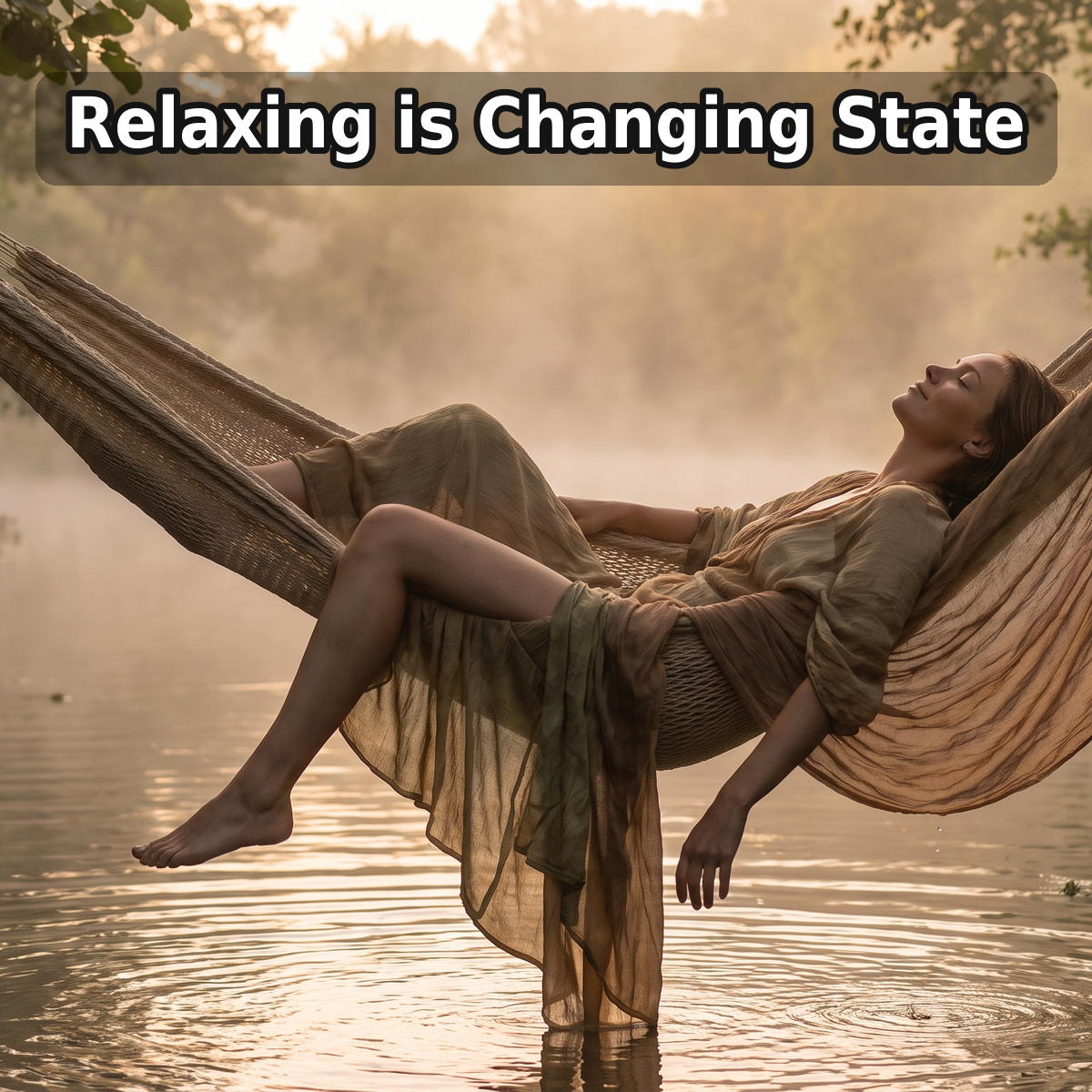
When we talk about achieving goals, rest often feels counterintuitive. “How can I make progress by doing nothing?” we ask ourselves. Yet, the truth is that rest isn’t doing nothing—it’s a critical component of growth. Whether it’s physical, mental, or emotional work, recovery allows us to return to the task with renewed energy and focus. Without it, we crumble under the weight of our own expectations.
Rest isn’t just about sleep, though that’s a major piece of the puzzle. It’s about creating space in your day to step back from the intensity of what you’re working on. This might mean taking short breaks, carving out an evening for a hobby you love, or even planning days in your month where your brain isn’t consumed by the grind. When you return, you’re sharper, more creative, and better equipped to handle the challenges ahead.
The Productivity Paradox
Here’s the paradox of rest: it makes you more productive. A well-rested mind and body can achieve more in less time because they’re operating at their best. On the other hand, dragging yourself through the motions while running on empty creates diminishing returns. Instead of doing quality work, you’re doing just enough to get by.
Think of it this way: when you’re rested, you’re not just working—you’re working well. That distinction is everything.
Thinking Is Work Too
In the same vein, we need to redefine what it means to work. For most of us, “work” is synonymous with action—typing, meeting, solving, creating. But have you ever stopped to ask why you’re doing what you’re doing? Or whether it’s the best use of your energy? That’s where thinking comes in.
Thinking is a deliberate process, not a passive one. It requires time, focus, and the right environment. For me, that means getting away from distractions, whether that’s stepping outside or sitting down with a blank notebook in a quiet space. Thinking is about questioning the purpose of what you’re doing, ensuring it aligns with your goals, and recalibrating when needed.
How often do we march through our days on autopilot, attending meetings, answering emails, and completing tasks without really engaging with the why behind them? Without intentional thinking, it’s easy to confuse busyness with effectiveness.
The Takeaway
As you move through your day, remind yourself of these two principles:
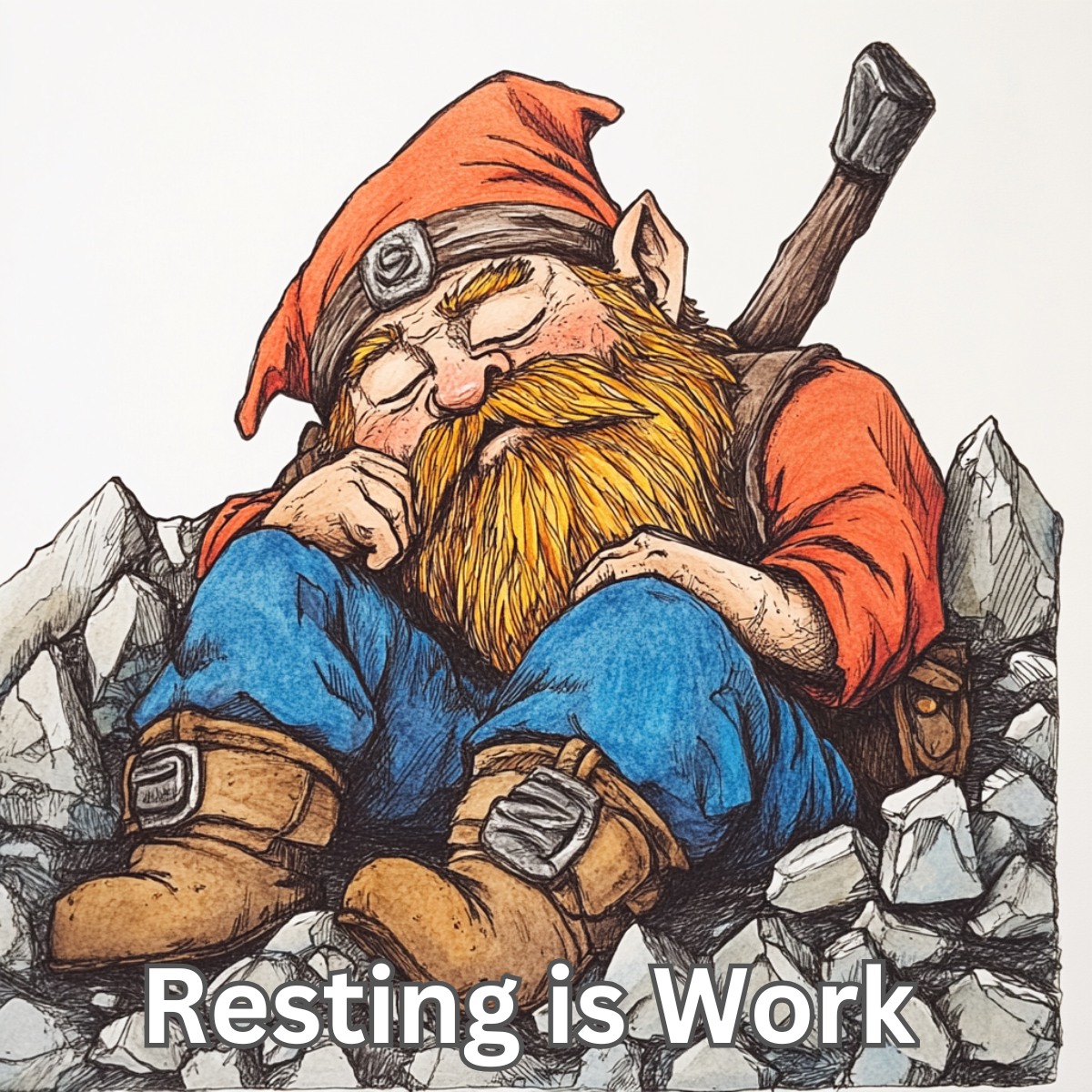
- Rest is work. When you rest, you’re not slacking off—you’re building the foundation for your next step.
- Thinking is work. Taking time to pause and reflect is not only okay; it’s necessary for purposeful action.
It’s not easy to reframe our relationship with work and rest. It takes practice, and sometimes we have to learn the lesson over and over again. But when we do, we find that life isn’t about how much we can do—it’s about how well we can do it.
And that starts with giving ourselves permission to rest and think.
O
ChatGPT can make mistakes. Check important info.