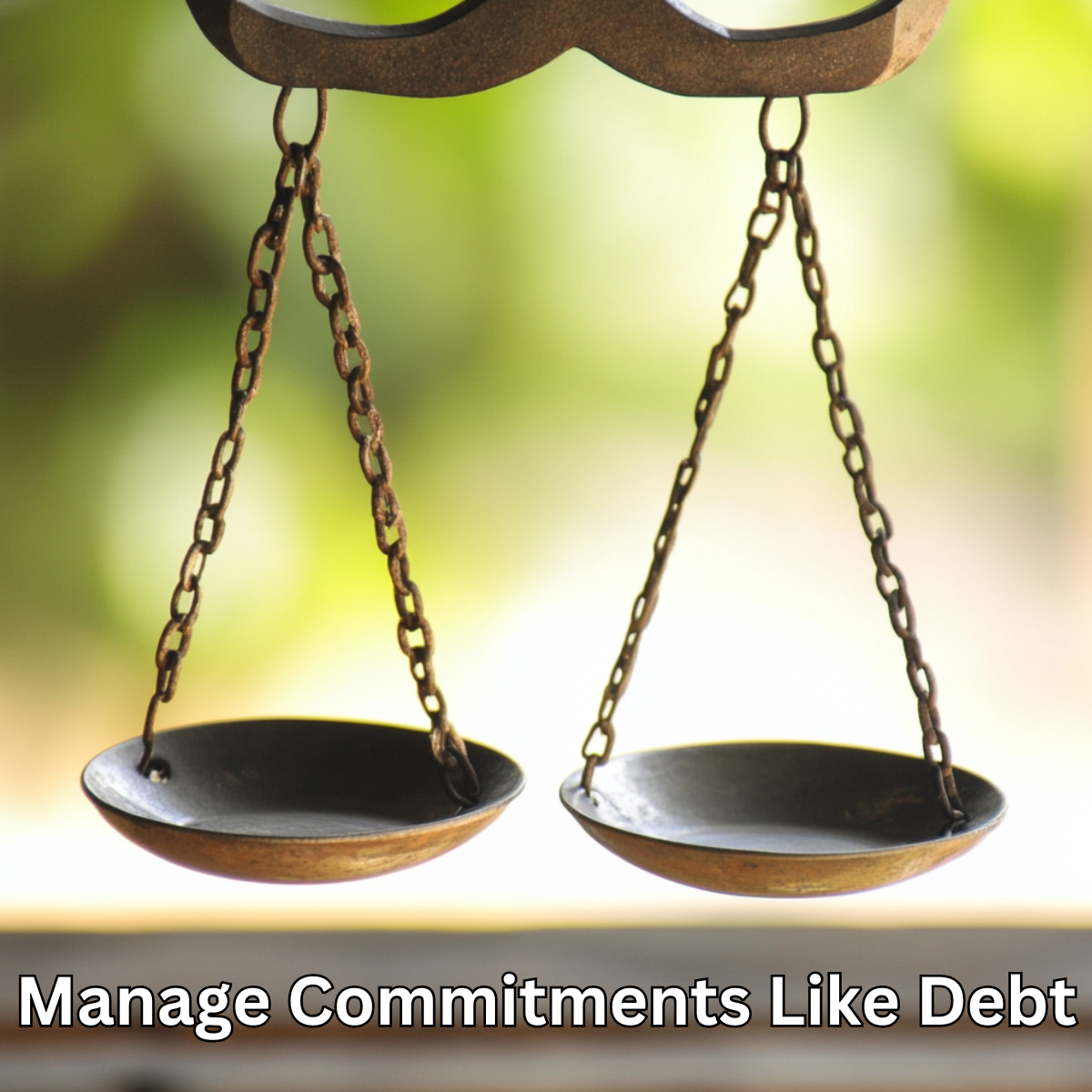
There is a fundamental difference between the obligations we knowingly take on and those that creep into our lives unnoticed. Just as financial debt can be either intentional (a mortgage) or unintentional (credit card overspending), the same principle applies to our time, energy, and emotional commitments. The key to a life well-managed is distinguishing between the two—being deliberate with what we owe and aware of what we accidentally take on.
Intentional Debt: Chosen Obligations with a Plan
Intentional debt is a commitment you take on with full awareness and a clear plan for repayment. It’s the mortgage you sign because you’ve calculated the payments, the student loan you accept because you’ve weighed its long-term benefits, or the weekly volunteer shift you schedule because you value giving back.
Beyond money, this kind of intentionality applies to all areas of life. When you commit to a project at work, agree to mentor a colleague, or prioritize a weekly date night, you are choosing to take on an obligation—one you intend to fulfill. These commitments require planning, sacrifice, and follow-through, but they align with your values and goals. They serve a purpose.
Unintentional Debt: The Creep of Unnoticed Obligations
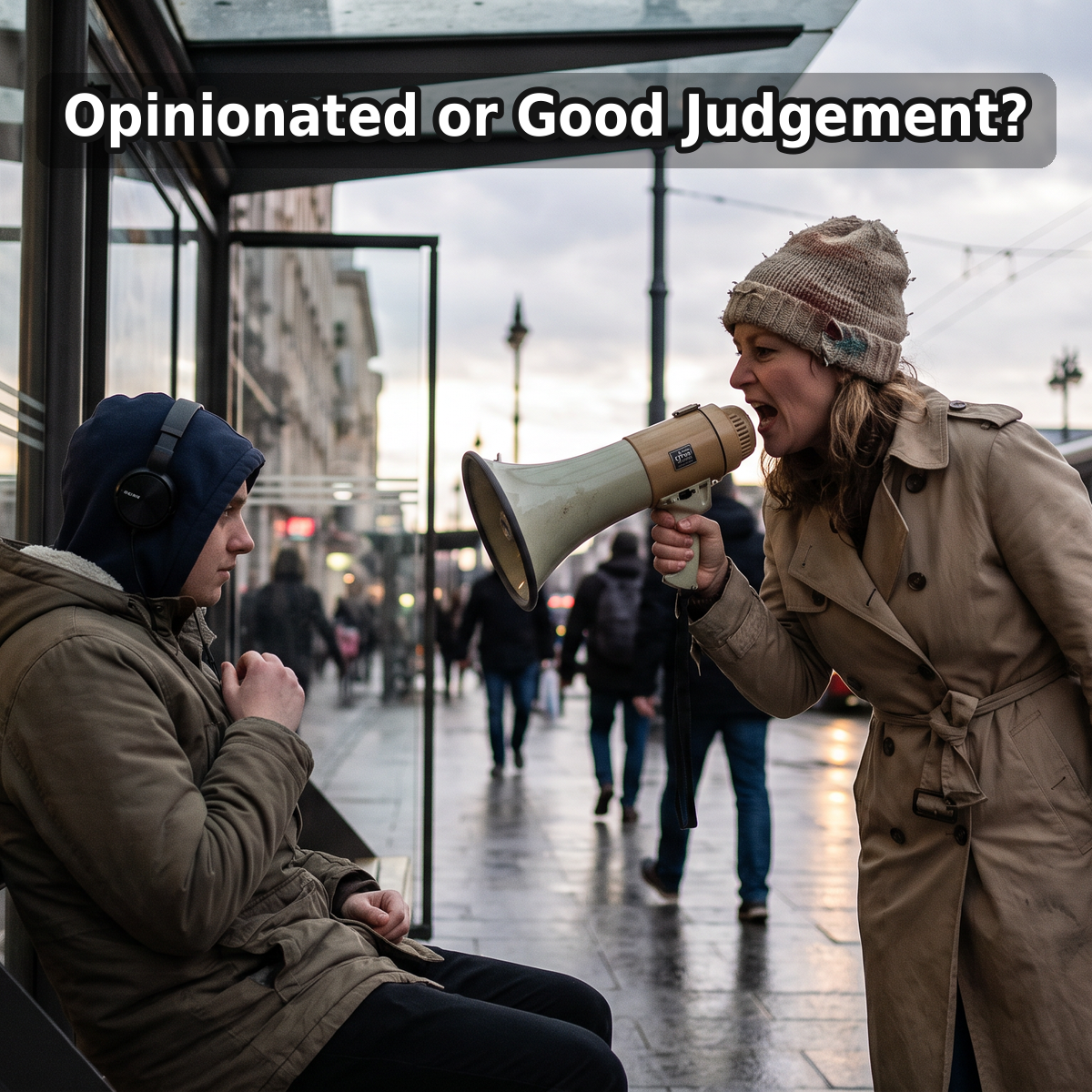
Unintentional debt, on the other hand, accumulates in the background. It’s the late fees on a bill you forgot to pay, the social obligations that pile up because you struggle to say no, or the toxic relationship you maintain out of habit rather than intent. These are commitments you never deliberately chose but somehow find yourself burdened by.
In financial terms, this looks like racking up credit card debt on impulse purchases. In life, it’s overcommitting your time without realizing the toll, staying in draining relationships out of obligation, or taking on too many responsibilities at work because you fear disappointing others. Unintentional debt is the result of passivity—of letting circumstances dictate your obligations rather than making conscious choices.
Why It Matters: The Unseen Cost of Accumulated Debt
The difference between intentional and unintentional debt is not just a matter of planning; it’s a matter of control. Intentional debt is an investment—one that, if managed well, yields a return. Unintentional debt, however, is often a leak—slowly draining your resources, energy, and peace of mind without adding value.
Many of us carry unintentional debts without even realizing it. We say yes to too many meetings, commit to too many projects, or allow unhealthy relationships to continue, all without stopping to ask: Is this something I truly want to take on?
Recognizing the distinction helps you avoid overcommitment, reduce stress, and reclaim control over your obligations. Just as you wouldn’t blindly take on financial debt without understanding its impact, you shouldn’t allow time, energy, and emotional debts to accumulate unnoticed.
Managing Your Commitments: A Debt Strategy for Life
The solution is not to avoid all commitments—life is built on responsibilities. Instead, the goal is to manage them wisely.
For Intentional Debts:
- Set Clear Goals – Know why you’re taking on a commitment and what you expect to gain.
- Make a Plan – Just as a mortgage has a repayment schedule, your commitments should have a structure.
- Track Your Progress – Regularly evaluate whether the obligation is still serving its intended purpose.
For Unintentional Debts:
- Recognize and Acknowledge – Pay attention to obligations you’ve taken on without realizing it.
- Assess the Impact – Ask yourself if these commitments are adding value or just draining your time and energy.
- Decide on an Action – Either fulfill the obligation, renegotiate it, or let it go.
The Takeaway: Live with Intent
The goal is not to live a debt-free life but to ensure that every obligation you take on is a conscious choice. Some debts are worth carrying because they lead to growth, opportunity, and fulfillment. Others weigh you down without offering anything in return.
The challenge is to become intentional about the commitments you make—financially, emotionally, and with your time. Because in the end, life’s obligations are like debt: manageable when chosen wisely, overwhelming when accumulated carelessly. Choose well.